



U.S. Agency Penalizes Toyota Motor Credit
Orders it to pay $60 million for running an illegal F&I product bundling scheme.


Toyota Motor Credit must pay $48 million to effected consumers and a $12 million penalty to the federal agency's victims relief fund.
IMAGE: Pexels
The Consumer Financial Protection Bureau has ordered Toyota Motor Credit Corp. to pay $60 million in consumer redress and penalties for running an illegal scheme that prevented borrowers from canceling product bundles.
Toyota Motor Credit, the U.S.-based financing arm of Toyota Motor Corp., withheld refunds or refunded incorrect amounts on bundled products and knowingly damaged consumers' credit reports with false information, the federal agency said.
It directed Toyota Motor Credit to stop the practice, pay $48 million to affected consumers, and assessed a $12 million penalty to be paid to the bureau's victims relief fund.
"Toyota's lending arm illegally withheld refunds, made borrowers run through obstacle courses to cancel unwanted services, and tarnished their credit reports," said agency Director Rohit Chopra in a press release. "Given the growing burdens of auto loan payments on Americans, we will continue to pursue large auto lenders that cheat their customers."
The company provides financing for consumers buying cars through Toyota dealerships and offers optional F&I products and services. Products offered by Toyota Motor Credit include:
Guaranteed Asset Protection
Credit Life and Accidental Health coverage
Vehicle service contracts
The cost of the bundled products, financed by Toyota Motor Credit, average between $700 and $2,500 per loan, the agency said.
Dealers for Toyota Motor Credit faced complaints from thousands of consumers for lies about product mandates, hiding buried terms, and including them on contracts without their knowledge, the bureau said.
The consumers reported the company made it cumbersome to cancel and failed to provide proper refunds once they did cancel, according to the agency, which said the company also falsely informed consumer reporting agencies about missed payments and neglected to fix known reporting errors.
It said the actions violated the Consumer Financial Protection Act’s prohibition against unfair and abusive acts and practices, as well as the Fair Credit Reporting Act and its implementing regulation.
More Dealer Ops
How to Avoid Phone Scams | Dealer Debrief 09/10/2026
Are you taking the necessary steps to protect your dealership and customer data from phone-based scams? This week's Dealer Debrief breaks down how!
Read More →
Dealer Debrief: August Auto Sales
Gas-powered engines still dominate the U.S. vehicle market, but hybrids are gaining ground as consumers look for ways to cut their gas costs.
Read More →
Dealership Profits Decline
While new and used retail sales stagnated, dealerships have been particularly supported by fixed operations and finance-and-insurance profits, according to a new report.
Read More →
Dealer Debrief: Defection Data & EV Updates
In this week's debrief, host Lauren Lawrence discusses how to use defection data to your advantage and the latest on EV sales and charging infrastructure.
Read More →
How Defection Data is Bridging the Dealership Conversion Gap
Lead volume is flat, cross-shopping is up and brand loyalty is in retreat. As confident sales teams keep losing buyers they thought they had, daily industry sales data is showing dealers exactly where their funnel is breaking and how to fix it without buying a single new lead.
Read More →
Dealer Debrief: Where are you losing customers?
In this week's debrief, host Lauren Lawrence discusses the hidden leaks in dealerships where you might be losing customers without even realizing it.
Read More →
Dealer Debrief: Improving Your Inventory Management
In this week's debrief, host Lauren Lawrence covers a new survey that shows what service technicians really want and two launches that could help improve your inventory and vehicle life cycle management.
Read More →
Ladies and Gentlemen, This Is a Dealership: Why the Fundamentals Still Decide Who Wins
A teaching moment by a legendary football coach happens to apply perfectly in the auto retail space. Learn what it is and how to use it to your store’s advantage.
Read More →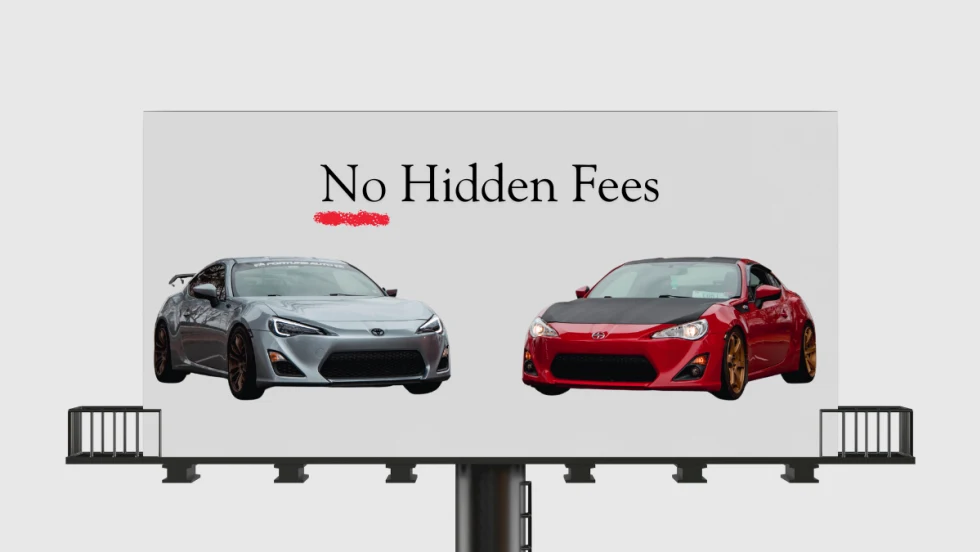
Dealer Ads and the FTC
The agency has made it clear in recent enforcement actions and warnings, in auto retail and other industries, that advertised prices must include all nonoptional costs to the consumer.
Read More →
Used Autos Supply Dwindles
The March shopping surge, despite high prices, cut into inventory by the most since the thick of the pandemic, Cox Automotive analysts calculated.
Read More →