



Accounting Compliance For F&I Products
David Keller - When reviewing procedures of a F & I department, we find that many dealers are not checking that the proper receivable is recorded...

Different F & I products require different accounting treatment. Recording F & I income requires related general ledger accounts on both your balance sheet and income statement. Matching receipts of each income type with the receivables you recorded earlier with the car deal insures that you have collected 100% of your money. Matching corresponding payables, if applicable, to the actual payments insures you paid what was required and nothing more.
Many times when reviewing procedures of a F & I department, we find that many dealers are not checking that the proper receivable is recorded on their books. For example, if your F & I log shows you were supposed to get paid $577.53 for finance income you should verify there was a $577.53 receivable recorded in finance reserve receivables on your general ledger.
Any differences should be investigated as to why, because they should match. Maybe the buy rate was not correctly entered because the original lender wouldn’t complete the deal because the customer’s income could not be verified. F & I then switched to another lender who would finance the car, but at a slightly higher buy rate. They recorded the original deal income recap but did not correct the manual log with the updated lender information.
You or your controller/office manager should verify the manual and or computer generated F & I log income to your applicable general ledger income accounts each month and investigate the differences. Some dealerships incur differences because they are using F & I software that is fully not integrated to their general ledger. F & I should always provide a copy of the F & I log to accounting for their records and to compare totals at month end.
F & I income should be recorded at the same time as the car deal in your general ledger. Do not wait to see what your lender decides to pay you! How do you know they are right? Recording the income in advance and then posting the cash received highlights differences that may reflect problems with your F & I calculations, the bank’s calculations or inaccurate recording of the car deal. You should investigate any differences over a preset amount ($5 for example) by giving a schedule of the amounts to your F & I manager requiring an explanation of the differences. By verifying these differences and the reason why, you can identify problems and take corrective action to minimize future problems. Setup a separate “income adjustment” account for each product to track differences you write off. By recording these in a separate adjustment account, your income accounts will always match your F & I log.
One of the other reasons why the income from the log should be verified to the general ledger is that many dealers tie F & I pay plans to these logs, rather than their general ledgers. This should be avoided at all times. You should only pay off of the general ledger amounts after accounting verifies it matches your log.
Everyone has or will incur F & I chargebacks. How and when should they be recorded? Should you charge your new F & I manager for the prior manager’s chargebacks? Many dealers don’t charge them back and end up paying higher commissions now and then also paying for the chargebacks later after the new F & I manager has left for another store. Then the dealer repeats this scenario with the next F & I manager. The dealer always loses two ways when this happens.
Another method, other than recording actual chargebacks received each month to arrive at net F & I commissionable income, is to use your average chargeback percentage of income recorded for the prior rolling 12 months. Arriving at a monthly average is as easy as setting up not only an income account for each product, but also a separate “chargeback” general ledger account. Post all your chargebacks from the different lenders to this account instead of your income account. Then calculate the percentage each month of chargebacks versus income. Using an average of the prior rolling 12 months helps even out some of the high and low months. Update the average chargeback rate you use every three months, to help even out some of the high and low months. This is fair to the dealer and also should be fair for the F & I manager. You should always apply, from the point of hire, some chargeback method for your F & I manager.
You should carefully read each lender’s dealer contract before you sign. Many dealers think there are no chargebacks after three payments. They later found out that three payments do not necessarily equal three months. They ended up being charged back up to a year later when the lender finally decided to repo the vehicle or the customer paid off the contract early (after 4 to 5 months) before three payments were made.
Setting up a chargeback account for each income type enables you to compute your chargeback percentage for each type. Since each type of income normally generates different rates, you should be able to review the monthly trend for any major changes that may appear.
Tracking how much time has passed from sale to chargeback time can also be useful. Short times (within 3 months) will normally reveal you are charging higher than normal rates or selling more products than the customer really needs or wanted.
To maximize your F & I income now and in the future, review your compliance for solid internal controls and accounting methods. It does pay off. Vol 2 Issue 8
More Fixed Ops
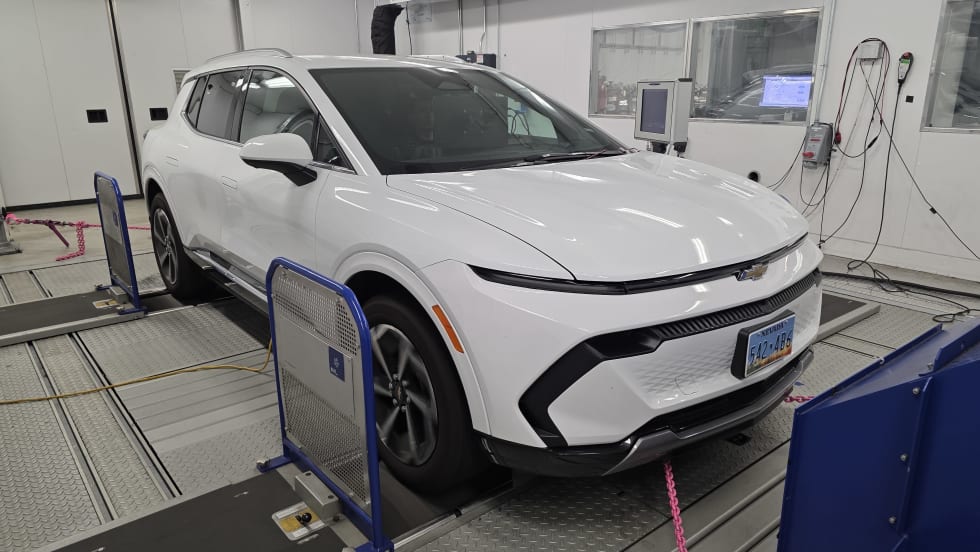
Extreme Temps Hinder EV Efficiency
American consumers might be happy to know that their preferred hybrids are slightly less impacted by extreme temperatures than fully electric vehicles, according to a new study.
Read More →
Ban on Air Bag Inflators by Chinese Maker Proposed
NHTSA blames 10 deaths and two serious injuries on what its investigators believe were illegally imported air bag inflators. It’s taking public comments before deciding whether to ban them outright.
Read More →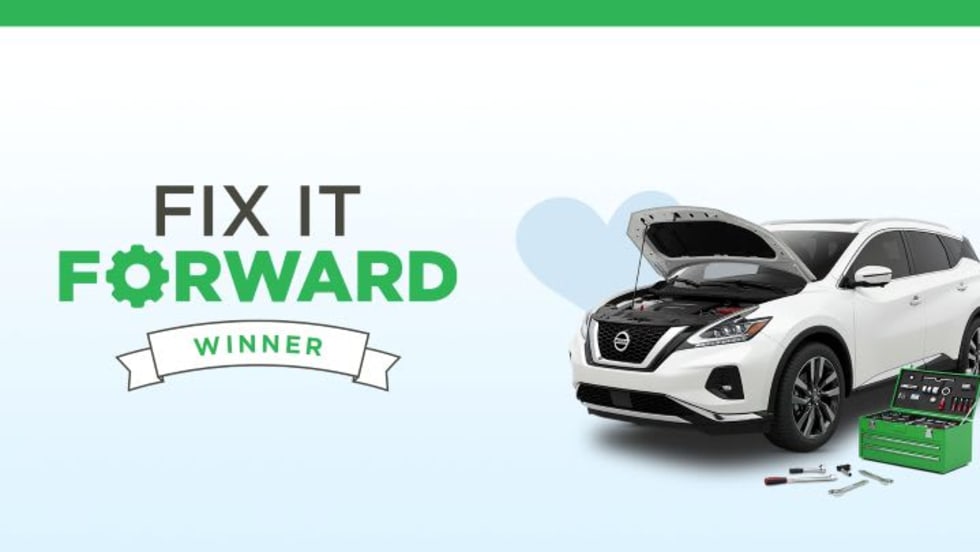
Fix It Forward Program Helps Man Regain Mobility
Albuquerque consumer who suffered a life-changing injury regains the use of his vehicle after Fiesta Volkswagen's service team shared his story with DOWC Cares.
Read More →
ASE Connects Partners With Worldpac to Build Technician Numbers
The collaboration is intended to help auto dealerships, automakers and after-market shops further develop the technician pipeline.
Read More →
Not as Tickled With Tires
U.S. consumers are finding less satisfaction with the rubber that meets their roads, though their loyalty to tire brands has lately inched up.
Read More →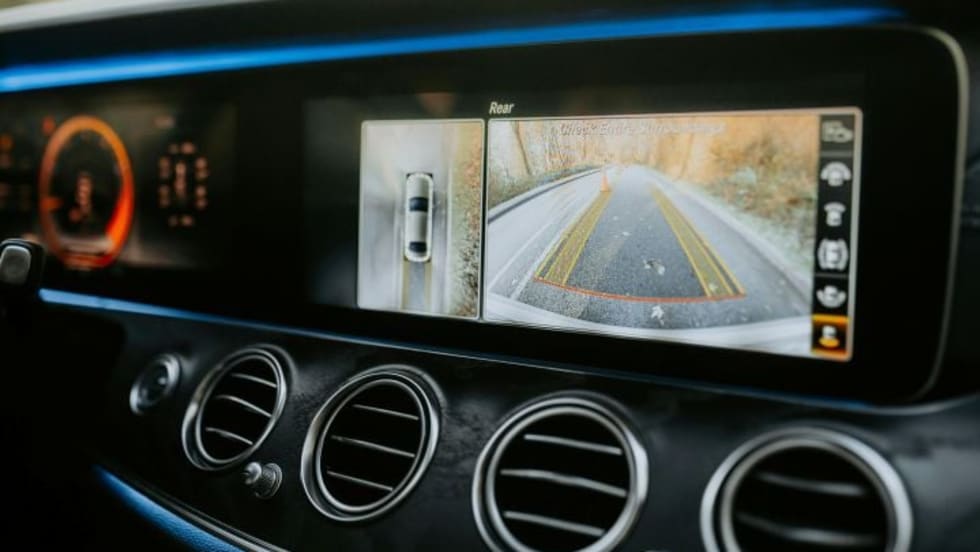
Auto Recalls Sank Last Year
2025 Sedgwick data indicate that the number of vehicles affected fell to its lowest point in more than a decade.
Read More →
ASE Winter Registration Now Open
The deadline to register for the industry standard certification testing is March 31.
Read More →
U.S. Drivers Overdue for Major Services
Data shows dealers have ample opportunity ahead of the holiday travel season.
Read More →
Auto Dealers Losing Service Customers
Study finds that though overall service drive revenue is up, loyalty is eroding
Read More →
Jeeps Can Catch Fire
Hundreds of thousands recalled, some for second time, to address battery flaw
Read More →