



Don't Misrepresent The Buyer's Income To The Finance Company
Thomas B. Hudson, Esq. - Most states have such a law and the laws are particular favorites of plaintiffs’ lawyers. Why? Because they usually provide for a doubling or tripling of the plaintiff’s damages and provide for an award of...

What happens when your dealership’s F&I folks misrepresent a customer’s credit qualifications to a bank or sales finance company? We’ve pointed out before that such conduct could violate federal and state criminal laws, subjecting those who engage in such conduct to jail time and monetary fines.
That’s bad enough, but as this case illustrates, such conduct can also expose the dealership to a civil lawsuit brought by the buyer. This case involves alleged violations of a Connecticut law that is very typical of laws in nearly all states, so even though your dealership might be located elsewhere, it’s worth a read.
Priscilla Farlow went to Barbarino Brothers, Inc. to buy a car and discussed financing options with the manager of the dealership. According to Farlow, she unknowingly signed a credit application that was filled out by the manager. On the application, the manager misrepresented her annual income as $78,000, when she actually earned an hourly wage of $11 ($22,880 annually).
Based on the information in the credit application, Wells Fargo Financial extended financing to Farlow, but eventually repossessed and sold the car when she missed her monthly payments. She was also responsible for the remaining deficiency after the sale of the car.
Later, Farlow sued Barbarino for violating the Connecticut Unfair Trade Practice Act (CUTPA) as a result of its misrepresentation on the credit application and alleged slander of credit. Barbarino moved to strike both counts.
The Connecticut Superior Court first denied the motion to strike the CUTPA claim, finding that Farlow alleged sufficient facts showing that Barbarino’s false misrepresentation of Farlow’s income on her credit application proximately caused harm to her. The court noted that without the misrepresentations, Wells Fargo would not have extended credit to her and, therefore, she would not have sustained the financial injury upon repossession. “Since the purpose of the credit application is to determine what amount an applicant can afford to pay and whether the applicant is a viable candidate for an extension of credit of the amount requested, the damages sustained by [Farlow] are a reasonably foreseeable result of a monthly payment that is grossly disproportionate to [her] overall monthly income.”
The court granted the motion to strike the slander of credit claim, however. Noting that slander of credit is not recognized as a cause of action in Connecticut, the court looked to other jurisdictions to determine whether Farlow pleaded sufficient facts to maintain such an action and found that she did not. Without recognizing a distinct cause of action for slander of credit, the court found that Farlow did not allege facts showing that Barbarino made a defamatory statement injuring her reputation to a third party.
If you are looking for a case to illustrate the dangers of misrepresenting your customers’ credit information to financing institutions, you’d be pressed to find a better example than this case. The law this dealership allegedly violated is a typical “unfair and deceptive acts and practices” law. Most states have such a law and the laws are particular favorites of plaintiffs’ lawyers. Why? Because they usually provide for a doubling or tripling of the plaintiff’s damages and provide for an award of the plaintiff’s attorney’s fees as well.
These can be serious, big dollar cases. It might be a good idea to spend a bit of time training your folks about the risks of the practices Barbarino was accused of using.
Farlow v. Barbarino Brothers, Inc., 2006 WL 3755219 (Conn. Super. December 1, 2006).
Vol 4, Issue 3
More Dealer Ops

Ladies and Gentlemen, This Is a Dealership: Why the Fundamentals Still Decide Who Wins
A teaching moment by a legendary football coach happens to apply perfectly in the auto retail space. Learn what it is and how to use it to your store’s advantage.
Read More →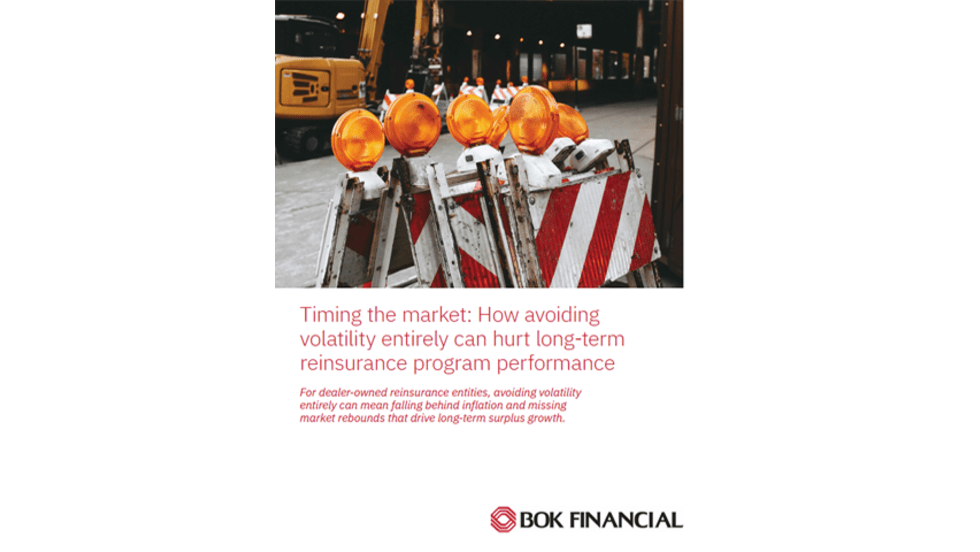
Timing the Market Can Hurt Long-Term Program Performance
For dealer-owned reinsurance entities, avoiding volatility entirely can mean falling behind inflation and missing market rebounds that drive long term surplus growth. Missing just a handful of strong market days can materially impact cumulative returns—an important reminder for long horizon trust and investment strategies.
Read More →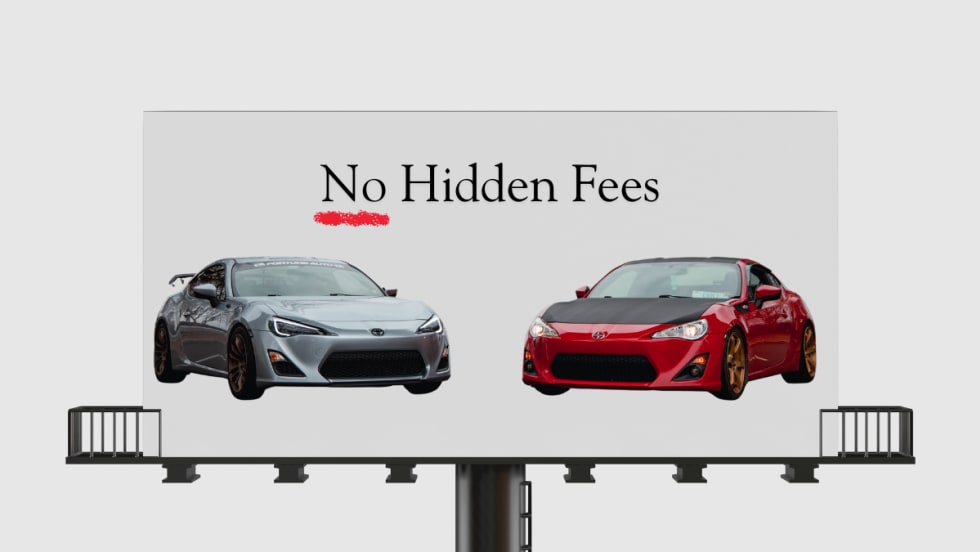
Dealer Ads and the FTC
The agency has made it clear in recent enforcement actions and warnings, in auto retail and other industries, that advertised prices must include all nonoptional costs to the consumer.
Read More →
Used Autos Supply Dwindles
The March shopping surge, despite high prices, cut into inventory by the most since the thick of the pandemic, Cox Automotive analysts calculated.
Read More →
Managing Risk Effectively Through Changing Times
The variables influencing risk pricing have changed significantly over the past five years. Being proactive and responsive to emerging trends is not optional but essential.
Read More →
Survey Reveals What Won't Fix What's Breaking Car Sales
AutoPayPlus says extra-long auto loans are trapping consumers and threatening the dealer trade-in cycle, and that the industry is leveraging the wrong tools to combat high MSRPs.
Read More →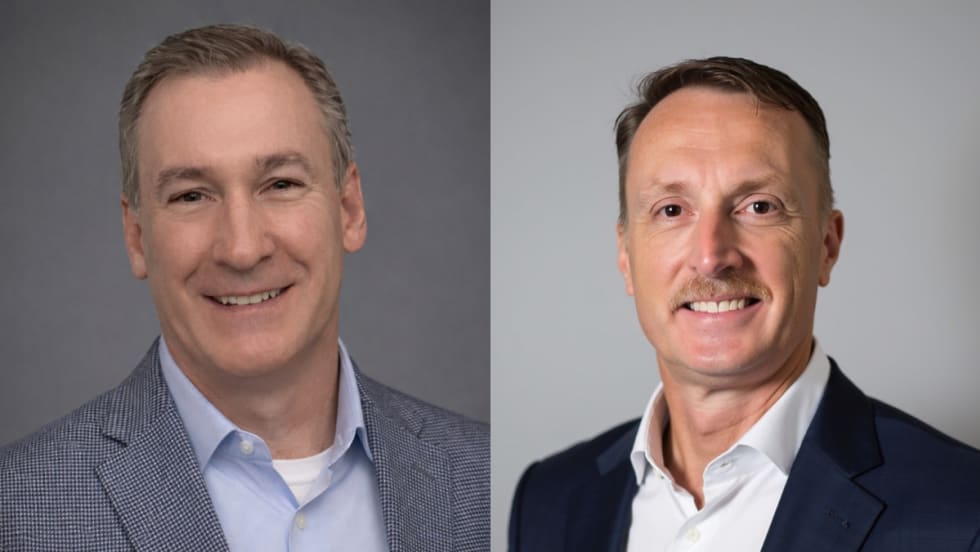
IA American Appoints Two Execs
Senior vice presidents of the company's agent and dealer channels chosen to support general agents and help auto dealers with sales and performance.
Read More →
Cox Automotive Acquires Inspection Firm
Full ownership of Alliance Inspection Management, or AiM, meant to unlock growth for Manheim inspection capabilities
Read More →
Assurant Expands Partnership With Holman
Extended collaboration delivers training, products and performance development to 30 newly acquired Holman dealerships
Read More →
Franchises, Throughput Down in First Half
A handful of states see franchise growth through June, while EV sales per store boost overall business in U.S.
Read More →