



Unresolved Immigration Issues Impact U.S. Auto Sales
Mauricio Espinosa - If current trends continue, the population of the United States will rise to 438 million by 2050** ... and 82 percent of the increase will be due to immigrants and their U.S.-born descendants

The United States was built from immigrants; that is an undeniable fact.. Today, we have new laws, new regulations, new rules and a changing attitude towards immigration. The United States has become less “immigration friendly,” which could be a product of a post 9/11 world. Or, it may have been in motion already and not related to 9/11.
In conversations with various automobile dealers across the US, dealers have been telling me that selling vehicles to Hispanics has become very difficult. In some cases, I have received reports that overall sales have fallen off by as much as 65 percent solely due to an inability to sell cars to Hispanics. Why? Because they can no longer obtain a driver’s license in most states. (www.usatoday.com/news/nation/2008-01-29-illegal-immigrants-licenses_N.htm)
Yes, I agree that illegal immigrants should legalize their status. However, that task is easier said than done. I have spoken with several undocumented Latinos, and although they want to do the right thing, “the system” is not very helpful. Again, I am not trying to debate here what is right or wrong nor am I debating legislation in a Post 9/11 society; my intent is to spotlight the issues facing the undocumented population of the country and the economical impact to our industry.
Like most, if not all of such reports, The Pew Research Center U.S. Population Projections report (see statistical information below) fails to address what is the percentage of immigrants arriving here without legal documents and how much of the projected increase falls into the category of illegal immigrant.
If current trends continue, the population of the United States will rise to 438 million by 2050** from 296 million in 2005, and 82 percent of the increase will be due to immigrants and their U.S.-born descendants, according to new projections developed by the Pew Research Center.
The nation's racial and ethnic mix will change noticeably by mid-century, the projections show, with the Hispanic share of the population rising to 29 percent. Among non-Hispanic race groups, the Asian share will rise to 9 percent the black share will hold steady at 13 percent and the white share will fall to 47 percent.
The Pew Research Center is a nonpartisan "fact tank" that provides information on the issues, attitudes, and trends shaping America and the world. Its work is carried out by eight projects, among them the Pew Hispanic Center and the Social and Demographic Trends project, which together produced this report.
**The report, U.S. Population Projections: 2005-2050, is available at the Pew Hispanic Center Web site, www.pewhispanic.org.
I have been residing in the US since 1996. My immigration status has changed many times, and currently, I remain a Green Card holder. The next step for me is citizenship. I arrived in this country with a work Visa procured by the company that had hired me, which was a process that took their lawyers eight months to complete. During that time the documentation I had to provide was extensive; let’s just say that the only thing I did not have to hand over were the medical records of my dog. From my personal experience, legalizing is not an easy job, even when you’re legal.
Does legislation such as “REAL ID” stop immigration to this country? No. Does it send immigrants back to their country of origin? No. They are already here looking for a better life, and most of them are going to fight to get it. Looking back throughout the history of the United States, was it ever any different? Overall, the majority of immigrants are hard workers who will find a way to get to their jobs.
Can and will government and industry find workable solutions? That remains to be seen. In the meantime, however, I fear what will happen in this country is the emergence of a black market to meet the transportation needs of immigrants. That would have serious effects on the U.S. Auto Industry, as well as endanger individuals who possess a strong work ethic and seek “The American Dream.”
Vol 5, Issue 4
More Digital
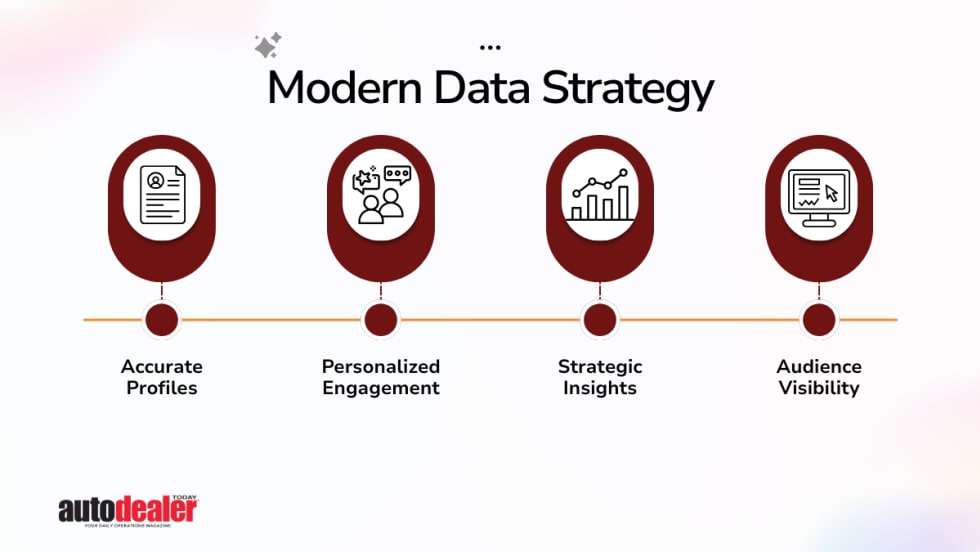
Reduce Fragmentation, Connect Customer Data
Automotive dealerships have the opportunity to reach more consumers by putting their customer data into a unified system, according to a new report.
Read More →
Dealer Debrief: Service Tech Recognition
In this week's debrief, host Lauren Lawrence covers a change to Automotive Service Professionals Month, a dealership acquisition, and a new Lexus rooftop!
Read More →
Dealer Debrief: Manufacturing Meets Demand
In this week's debrief, host Lauren Lawrence covers shifting strategies in the U.S. auto industry and how they reflect the current consumer demand.
Read More →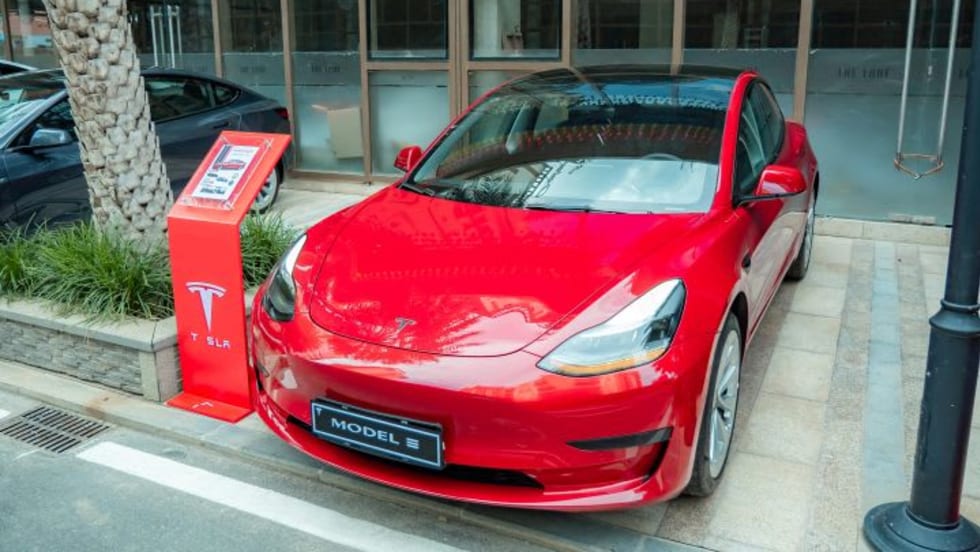
Trust of Autonomous Cars Not Automatic
A poll of U.S. consumers finds more awareness of the technology but no movement when it comes to relying on it for transportation.
Read More →
Dealer Debrief: New Technician Credential & Vehicles for Change
In this week's debrief, host Lauren Lawrence covers a new ADAS technician credential that is in the works and a partnership between NADA and Vehicles for Change.
Read More →
Dealer Debrief: Dealer's Choice Awards
In this week's debrief, host Lauren Lawrence covers reinsurance, IIHS safety picks, and voting for the 2026 Dealers' Choice Awards.
Read More →
JD Power Launches F&I Performance, ID Verification Tools
The resources are the first two offerings by the company's new Dealer Solutions division, which is being led by auto industry veteran Doug Betts.
Read More →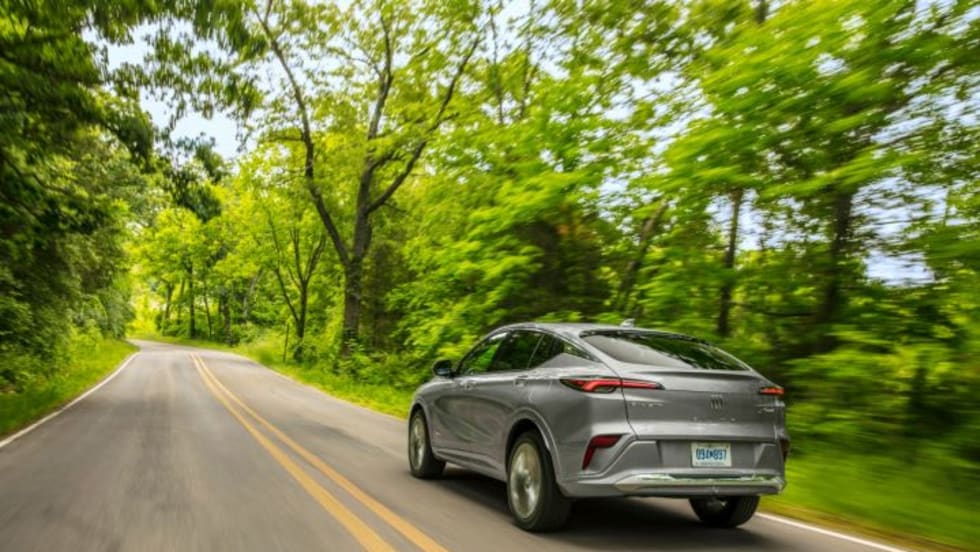
Advanced Safety Features Make a Difference
GM says research shows such technologies have made real inroads in reducing the rate of U.S. collisions as it aims for crash-free roads.
Read More →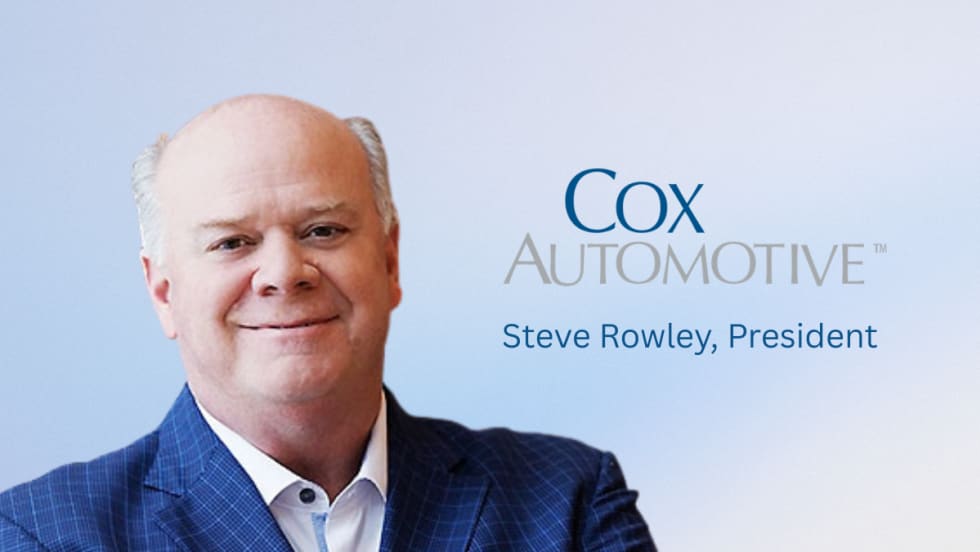
Cox Automotive to Acquire Fullpath
The company says the deal brings artificial intelligence-native data and marketing infrastructure to its dealer network for a unified platform.
Read More →
Managing Risk Effectively Through Changing Times
The variables influencing risk pricing have changed significantly over the past five years. Being proactive and responsive to emerging trends is not optional but essential.
Read More →