



The Coming Crackdown on Dealer Fraud
Statewide sweeps should convince dealers to clear the flim-flam artists from your F&I department.

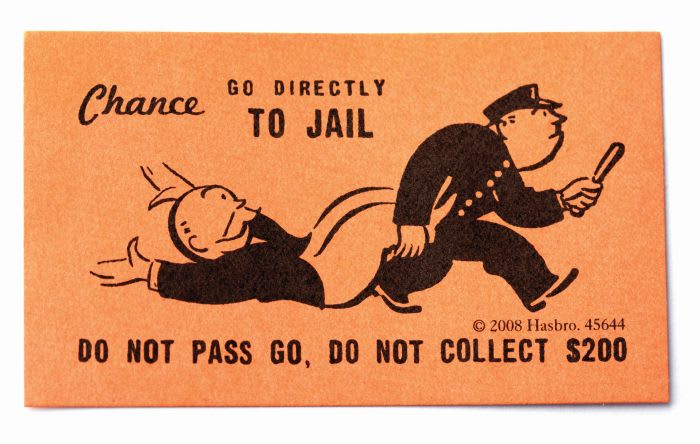
Getty Images
Sometimes you get blindsided. Sometimes you can see something coming from a mile away. This is one of the latter. Dealerships that employ flim-flam artists are about to get slammed.
When I use the term “flim-flam artists,” I am referring to those folks, usually but not always resident in the dealership’s F&I operation, who are committing felonies.
Avoid These and Other Crimes
One of the sorts of felonies I’m referring to is “powerbooking,” or overstating the features and equipment of a car in order to bulk up the loan-to-value ratio, thus conning a finance company into a larger advance on a contract than the car would ordinarily bear. The practice violates several federal and state laws — the sorts of laws that come with civil penalties, jail time and orange jumpsuits.
Another involves creating new (and false) information for the buyer’s credit application. This one is sometimes accompanied by the counterfeiting of the various “stips,” such as proof of income, proof of employment, proof of and length of residency, and the like. Again, federal and state laws are implicated, and these are also the sorts of crimes that can get you an orange jumpsuit.
Fake or “loaned” down payments, “side notes” that are never enforced, “straw” purchasers, the list of ways to defraud the banks, sales finance companies and credit unions that buy the dealership’s retail installment contracts goes on and on.
And I haven’t even started on the sorts of fraud that dishonest dealers pull on consumers. An example is “We can’t get you bought” — telling a buyer that the dealership cannot get financing unless the buyer agrees to buy GAP or a vehicle service contract. This violates federal disclosure laws unless the cost of the required additional product is included in the disclosed finance charge and annual percentage rate.
Another example is telling a buyer that the original financing for the car fell through and that the buyer must return to the dealership and sign another contract, when the buyer is under no contractual or legal obligation to do so. Fraud like this could but usually doesn’t result in jail time (more’s the pity), but these violations are certainly actionable by enforcement authorities and by private plaintiffs’ lawyers representing consumers.
An Unlikely Foe
So, who’s going to rain on the parade of dealers who tolerate fraud in their operations? The Consumer Financial Protection Bureau and the Federal Trade Commission, for sure, but both of these organizations have regularly attacked dealer fraud. They will continue to do so, but their efforts aren’t the “crackdown” mentioned in the title to this article.
The crackdown I see coming is from the companies that buy retail installment contracts from dealers. Those companies themselves have recently found themselves under attack by state attorneys general for tolerating fraudulent contact by the dealerships from which they acquire RICs. The result was millions in penalties and settlement agreements under the terms of which the targeted companies agreed to ride fraud patrol on their dealers.
Just as dealers have conferences periodically to catch up on new developments, the AGs from the various states talk and meet regularly to share information on their latest efforts to enforce the laws. You can bet that the AGs involved in these actions will be crowing about their successes to their colleagues from other states.
The companies involved in these actions will certainly be tightening up their antifraud practices, but they won’t be the only ones. Every finance company, bank and credit union in the business of buying RICs from dealers has by now gotten the word that the AGs are targeting dealer fraud. They will be parsing every word of the settlement agreements to see what steps the companies were required to incorporate into their RIC-buying process.
Is It Hot in Here?
Several vendors are hitting the market with various sorts of verification solutions that will assure the buyers of RICs that the contracts they are buying and the information supporting those contracts is on the up-and-up. Look for a new round of revisions to dealer agreements that will increase your responsibilities for fighting fraud.
Dealers will promptly begin to feel the heat of a tightened monitoring and buying process. The crackdown is on the way. It would be a really good idea to get out in front of this one.
One final thought, lest readers think that I am unfairly claiming that dealer fraud is widespread. I don’t. I believe that most dealerships are operated in a legal and compliant way. But the continued reports of “evildoers” indicate that there are dealerships that misbehave.
In the lawyering trade, the joke is that 90% of the lawyers give the other 10% a bad name. In the car business, I think it’s closer to the truth that 10% of the dealers give the other 90% a bad name. It’s the dealerships in that 10% group that the good guys in this business have to thank for the coming crackdown.
Thomas B. Hudson is a partner in the firm of Hudson Cook LLP, publisher of Spot Delivery, and the author of several widely read compliance manuals. Contact him at tom.hudson@bobit.com.
More Dealer Ops

Ladies and Gentlemen, This Is a Dealership: Why the Fundamentals Still Decide Who Wins
A teaching moment by a legendary football coach happens to apply perfectly in the auto retail space. Learn what it is and how to use it to your store’s advantage.
Read More →
Timing the Market Can Hurt Long-Term Program Performance
For dealer-owned reinsurance entities, avoiding volatility entirely can mean falling behind inflation and missing market rebounds that drive long term surplus growth. Missing just a handful of strong market days can materially impact cumulative returns—an important reminder for long horizon trust and investment strategies.
Read More →
Dealer Ads and the FTC
The agency has made it clear in recent enforcement actions and warnings, in auto retail and other industries, that advertised prices must include all nonoptional costs to the consumer.
Read More →
Used Autos Supply Dwindles
The March shopping surge, despite high prices, cut into inventory by the most since the thick of the pandemic, Cox Automotive analysts calculated.
Read More →
Managing Risk Effectively Through Changing Times
The variables influencing risk pricing have changed significantly over the past five years. Being proactive and responsive to emerging trends is not optional but essential.
Read More →
Survey Reveals What Won't Fix What's Breaking Car Sales
AutoPayPlus says extra-long auto loans are trapping consumers and threatening the dealer trade-in cycle, and that the industry is leveraging the wrong tools to combat high MSRPs.
Read More →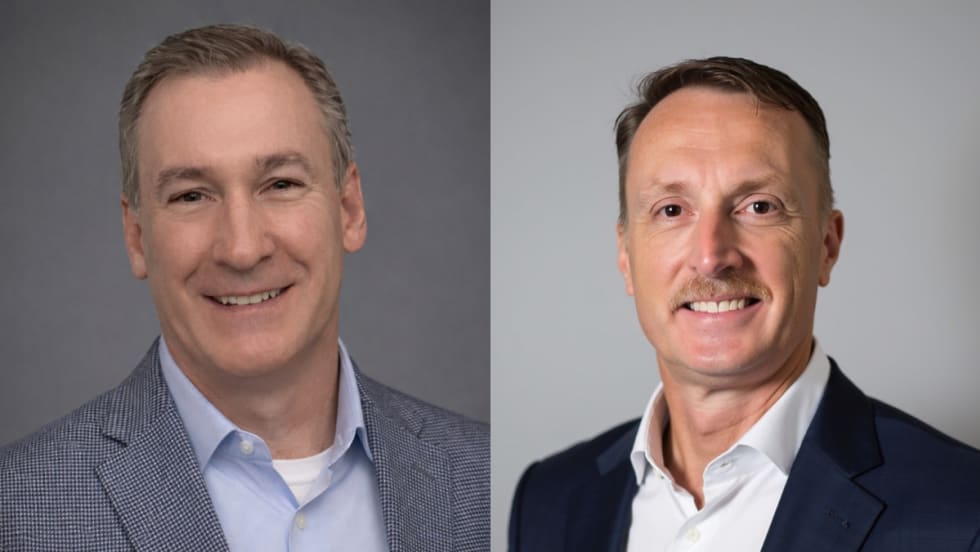
IA American Appoints Two Execs
Senior vice presidents of the company's agent and dealer channels chosen to support general agents and help auto dealers with sales and performance.
Read More →
Cox Automotive Acquires Inspection Firm
Full ownership of Alliance Inspection Management, or AiM, meant to unlock growth for Manheim inspection capabilities
Read More →
Assurant Expands Partnership With Holman
Extended collaboration delivers training, products and performance development to 30 newly acquired Holman dealerships
Read More →
Franchises, Throughput Down in First Half
A handful of states see franchise growth through June, while EV sales per store boost overall business in U.S.
Read More →