



The Automated Dealership: Emerging Trends with AI in Fixed Ops
If the continuing events of 2021 show us anything, it is that change is constant, and in the future, dealerships may gravitate towards AI.
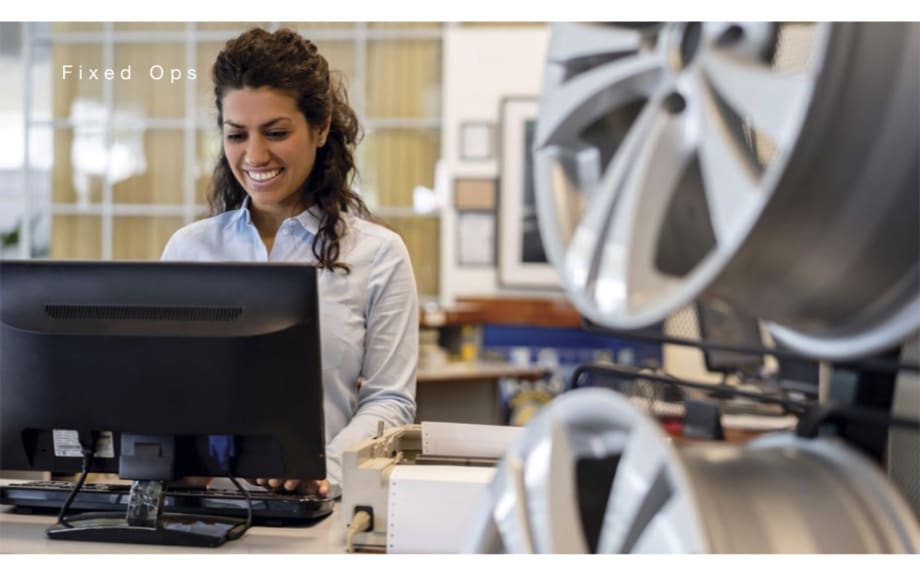
If the continuing events of 2021 show us anything, it is that change is constant, and in the future, dealerships may gravitate towards AI.
IMAGE: GettyImages.com
The pandemic effectively forced many consumers to do online what they may have been doing primarily in person, like learning, working, buying groceries and visiting with family and friends. Now, industries where in-person had been holding steady, are recognizing the need to make the move, and the automobile sector is no exception.
If the events of 2020 and the continuing events of 2021 show us anything, it is that change is constant, whether we are prepared for it or not.
Depending on one’s point of view, however, a shift toward more automation and online engagement may be exactly what’s needed and welcomed by all stakeholders for an industry still operating under many traditional practices. In fact, it may be helpful to take COVID out of the equation altogether for a moment and look at the state of the industry in 2019 before the pandemic was on the radar. A study conducted by Cox Automotive confirmed that new car buyers were already making more decisions online than at dealerships, with a majority (61%) stating they were dissatisfied by the traditional process, from negotiating price to the amount of paperwork and signatures that are required before the keys are handed over to them.
Industry professionals know that, while the sales department is where the car ownership journey begins, it’s certainly not where it ends, nor where the industry profitability rests. It’s the service center — parts, repairs, warranty, and recall — that drives a dealership’s ROI. According to the National Automobile Dealers Association (NADA), last year dealerships wrote more than 125 million repair orders, with service and parts sales totaling more than $51 billion and accounting for 49.6% of the gross profits. That’s not to say there’s no room for improvement, though. Most new car owners have at one time or another experienced the frustrating process of a recall or warranty issue. Often, the car owner must take time away from work or other important activities to get the vehicle inspected and then scheduled for service. If a loaner car is unavailable, the hassle of arranging transportation while the car is being serviced adds to the inconvenience. And dealerships aren’t always located close to home.
These are just a few of the reasons why an overwhelming majority (72%) of customers have historically opted for third-party mechanics rather than returning to the dealer. It’s also a major factor in why dealerships have poor customer retention rates. In a study of 400 dealerships nationwide, J & L Marketing found that the actual retention rate of the average dealership is less than 25%.
Customer service has undoubtedly pulled out ahead as the driving force of brand loyalty in almost every industry — the automotive service division included. McKinsey’s 2019 report on mobility states: “Consumers spend about 15 hours buying a new car, but as much as 50 hours having it serviced during the time of ownership. That makes the service-related process crucially important from a customer experience perspective, since selling the next car to a satisfied customer is far more cost effective (and easier) than selling one to someone new to the brand.”
Few would argue that it’s time for a change, and 2021 may be the year.
For most smaller dealerships, a receptionist is likely the first point of contact, but in larger dealerships calls are routed through business development centers (BDCs), which are becoming increasingly more common. For car owners emailing or calling a dealership regarding service, for example, the BDC representative is a liaison between them and the dealership, answering questions and providing information that is intended to drive the car owners to the dealership for service. But it can be a very frustrating process. Here’s why: BDC agents are typically on the offense, fielding calls after a problem or breakdown occurs. Naturally, the customer is already perturbed. No one likes dealing with a car issue. Now take into consideration that call center representatives are primarily trained to take down names and numbers and pass the car owner off to another department, maybe a service advisor, who then hands it off to an appointment scheduler, who then passes the call or reaches out to a mechanic or technician.
While the whole process is very fragmented and time consuming, there’s no reason why the majority of those tasks that happen in a call center can't be automated through artificial intelligence and managed through prompts and text messaging, which customers, particularly millennials, now prefer over voice. In addition to ensuring a call is never missed, automation can handle a range of common questions and tasks such as:
Hours of operation
Scheduling a test drive
Department selection
Service required (check engine light on, recall, etc.)
Scheduling an appointment
Automation can also be customized to identify a customer by his or her phone number, which contributes significantly to good customer service. “Welcome back, Mr. Smith. How can we help you? Press one for sales, two for service, three…” Ultimately, artificial intelligence (AI) will allow dealerships to do more with fewer employees, and the employees they do have will be smarter and more helpful in the long term. This is something we are seeing in healthcare. Many insurance companies offer apps that send preventive screening reminders and appointment reminders while giving customers the ability to text with health-related questions and even earn cash for completing preventive screenings. No more waiting on hold for 30 minutes. And no dropped calls.
In the future, dealerships may gravitate toward even more intelligent uses of AI, like computer vision. Transmissions, for example, have hundreds of interior parts mechanics cannot see until they are “inside.” Computer vision serves in the same way as an x-ray does in healthcare, diagnosing the trouble spot before one bolt is removed. Other areas where AI can help dealerships increase ROI include online financing and online diagnostics, as well as virtual test drives conducted from home.
If the events of 2020 and the continuing events of 2021 show us anything, it is that change is constant, whether we are prepared for it or not. It has also shed a bright light on the insoluble entrepreneurial spirit of America, where automation in automobile production was first introduced. Envisioning a better way, Henry Ford created the assembly line, which quickly became a mainstay in manufacturing. Now, as the fourth industrial revolution comes into clear view, the same opportunity to automate exists for dealerships ready to embrace an entirely new business model.
Tasso Roumeliotis is the CEO and co-founder of Numa. He is an Ernst &Young Entrepreneur of the Year Finalist Award winner and holds an MBA from Harvard Business School and Bachelor of Commerce from McGill University in Montreal.
More Fixed Ops
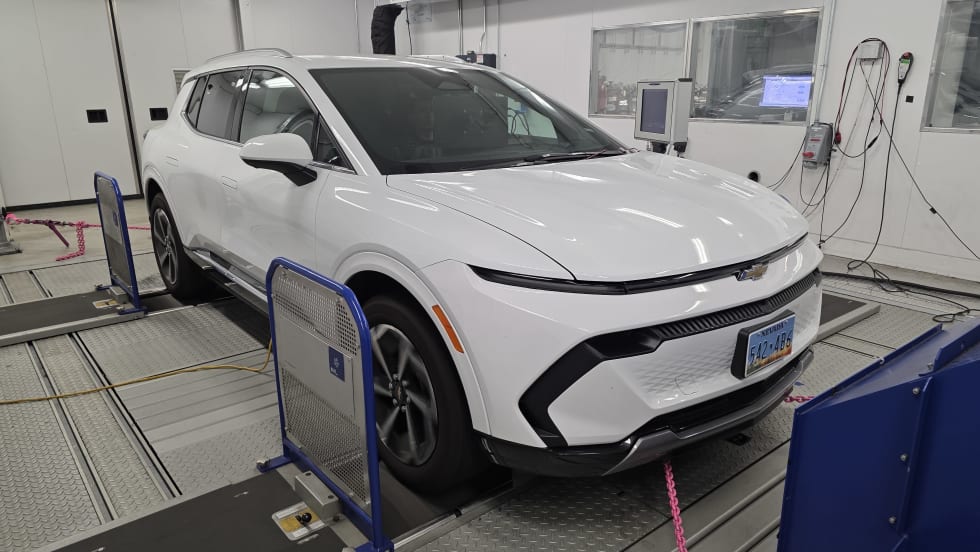
Extreme Temps Hinder EV Efficiency
American consumers might be happy to know that their preferred hybrids are slightly less impacted by extreme temperatures than fully electric vehicles, according to a new study.
Read More →
Ban on Air Bag Inflators by Chinese Maker Proposed
NHTSA blames 10 deaths and two serious injuries on what its investigators believe were illegally imported air bag inflators. It’s taking public comments before deciding whether to ban them outright.
Read More →
Fix It Forward Program Helps Man Regain Mobility
Albuquerque consumer who suffered a life-changing injury regains the use of his vehicle after Fiesta Volkswagen's service team shared his story with DOWC Cares.
Read More →
ASE Connects Partners With Worldpac to Build Technician Numbers
The collaboration is intended to help auto dealerships, automakers and after-market shops further develop the technician pipeline.
Read More →
Not as Tickled With Tires
U.S. consumers are finding less satisfaction with the rubber that meets their roads, though their loyalty to tire brands has lately inched up.
Read More →
Auto Recalls Sank Last Year
2025 Sedgwick data indicate that the number of vehicles affected fell to its lowest point in more than a decade.
Read More →
ASE Winter Registration Now Open
The deadline to register for the industry standard certification testing is March 31.
Read More →
U.S. Drivers Overdue for Major Services
Data shows dealers have ample opportunity ahead of the holiday travel season.
Read More →
Auto Dealers Losing Service Customers
Study finds that though overall service drive revenue is up, loyalty is eroding
Read More →
Jeeps Can Catch Fire
Hundreds of thousands recalled, some for second time, to address battery flaw
Read More →