



Extreme Temps Hinder EV Efficiency
American consumers might be happy to know that their preferred hybrids are slightly less impacted by extreme temperatures than fully electric vehicles, according to a new study.


While hybrids are negatively impacted by extreme temperatures, the phenomenon is less pronounced than for their fully electric counterparts.
AAA
A new AAA study shows that the efficiency, range and operating costs of both electric vehicles and hybrids are negatively impacted by extreme temperatures.
The research builds on a study the organization conducted in 2019 that reached a similar conclusion. In the older study, it found that relative to a 75-degree baseline, fully electric vehicles had a reduced driving range of 41% when operating at 20 degrees and a 17% reduction when operating at 95 degrees. It didn't test hybrids.
The updated study assessed both fully electric models and hybrids, finding that while HEVs are negatively impacted by the extreme temperatures, they are less effected than their fully electric counterparts.
“EVs are efficient in moderate temperatures but lose significant range in the cold,” said Greg Brannon, AAA director of automotive engineering and research.
“We expected this from our previous research but were surprised by the 23% reduction in fuel economy for the hybrids in cold temperatures.”
When operating at an ambient temperature of 95 degrees, hybrids experienced a 12% drop in fuel efficiency, and EVs showed a 10% reduction, as well as an 8.5% loss of driving range.
When operating at an ambient temperature of 20 degrees, hybrids had an almost 23% loss in fuel economy while EVs had an over 35% drop in miles per gallon of gas equivalent and a 39% decrease in calculated driving range.
Regarding operating costs, hybrids showed an increase in fuel cost of $28 per 1,000 miles at 20 degrees and a $13 per 1,000 mile increase at 95 degrees. EVs operating at 20 degrees had a $32 per 1,000 mile increase when charged at home and a $77 per 1,000 mile increase when using public charging. EVs operating at 95 degrees had a nearly $7 per 1,000 mile increase charging at home and a $16 per 1,000 mile increase with public charging.
“Drivers should consider climate, energy costs, and driving patterns when choosing a vehicle that best fits their lifestyle,” Brannon said.
More Fixed Ops
California Dealer Group Foundation Partners With ASE
CNCDA Foundation and ASE Connects collaboration is intended to build California's automotive technician workforce.
Read More →
Dealer Debrief: Fixed-Ops Opportunities
In this week's debrief, host Lauren Lawrence discusses maximizing your dealership's profitability with a focus on fixed operations.
Read More →
Dealer Debrief: Technician Apprenticeships
In this week's debrief, host Lauren Lawrence discusses a new grant for service tech apprenticeships and more industry workforce news.
Read More →
ASE Acquires WrenchWay
The auto technician certification nonprofit said the deal expands its role in workforce-development and support for current and future service professionals.
Read More →
TraXtion Introduces TireSpec Website Solution
The company says the offering enables consumers to snap a photo of their tire with a smartphone and receive an instant replacement quote, capturing 90% of tire shoppers who start their shopping online.
Read More →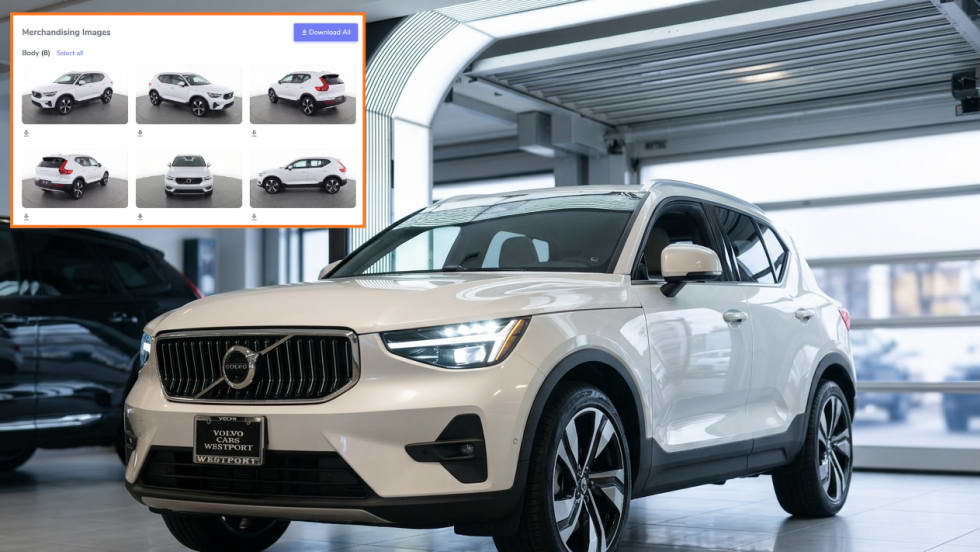
UVeye Launches Same-Day Vehicle Listings for Car Dealers
New 'Scan to Sold' offering turns the service lane into a website-ready merchandising photo booth designed to help dealerships reduce turnaround time from days to minutes.
Read More →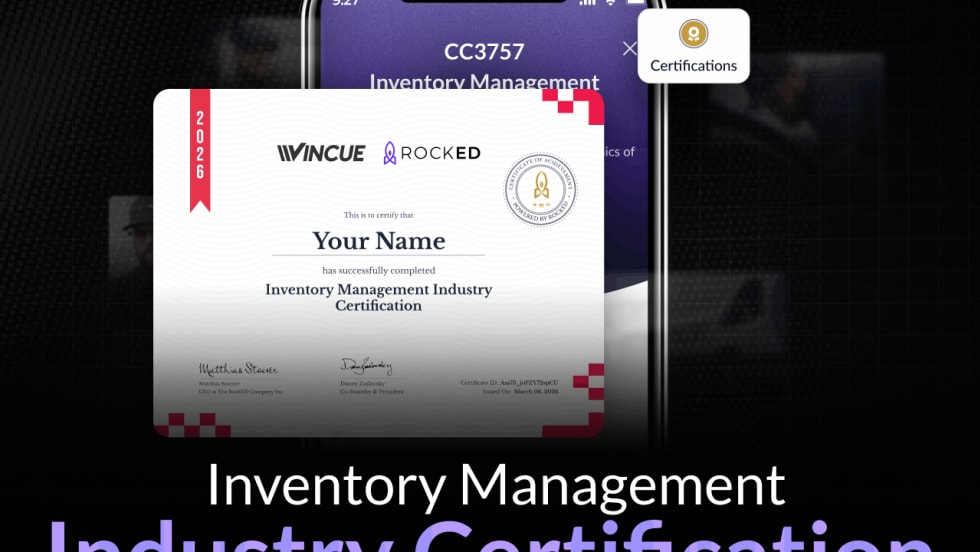
RockED, VINCUE Launch Inventory-Management Industry Certification
Offering for retail automotive dealers and operators is designed to address what the companies say is a lack of standardized and modern thought leadership in vehicle life-cycle management.
Read More →
Survey Shows What Technicians Want
Data gathered by the ASE Training Managers Council shows that service technicians prefer classroom or instructor-led training and hands-on lab work over online or self-led training.
Read More →
Automotive Service Pros Month Shifts to October
ASE is making the change to better align with two other sector observances that take place each year highlighting technicians' key role.
Read More →
Ban on Air Bag Inflators by Chinese Maker Proposed
NHTSA blames 10 deaths and two serious injuries on what its investigators believe were illegally imported air bag inflators. It’s taking public comments before deciding whether to ban them outright.
Read More →