



Not as Tickled With Tires
U.S. consumers are finding less satisfaction with the rubber that meets their roads, though their loyalty to tire brands has lately inched up.


Michelin swept the top spots in three vehicle segments for satisfaction.
Pexels/Mike Bird
Satisfaction with automotive tire brands continues to slip as consumers focus on practical considerations, a fresh study shows.
Contentment with original-equipment tires fell two points from last year to 788, though brand loyalty improved three percentage points to 54%, according to J.D. Power research.
Still, when a consumer has two or more tires replaced, loyalty falls to 42% due primarily to wear, according to a year-long survey of more than 38,000 owners of 2023 to 2025 model-year vehicles.
J.D. Power analysts noted a narrowing gap in satisfaction among owners of gas-engine and electric vehicles as consumers prioritize their driving and maintenance needs. Electric vehicles, for instance, tend to be harder on tires due to their heavier batteries.
“As satisfaction with original equipment tires continues to converge across BEV, PHEV and ICE vehicles, replacement decisions are increasingly driven by functionality rather than brand loyalty, said company Director of Customer Success Jason Norton.
“… they are focused on practical needs, such as matching tires, meeting technical requirements or achieving longer wear. For manufacturers, the opportunity lies in delivering solutions that consistently meet these real-world replacement demands across all power trains and convert low loyalty into sustained repeat purchase behavior.”
The difference in tire satisfaction among battery-electric, gas and plug-in hybrid vehicles narrowed by 33 points to just a 14-point gap, J.D. Power reported.
Brandwise, Michelin swept the top satisfaction spots among the luxury, passenger car and performance sport segments, followed by Goodyear, though the latter tied with Toyo in the passenger-car segment. Pirelli ranks third in the performance sport segment.
More Fixed Ops
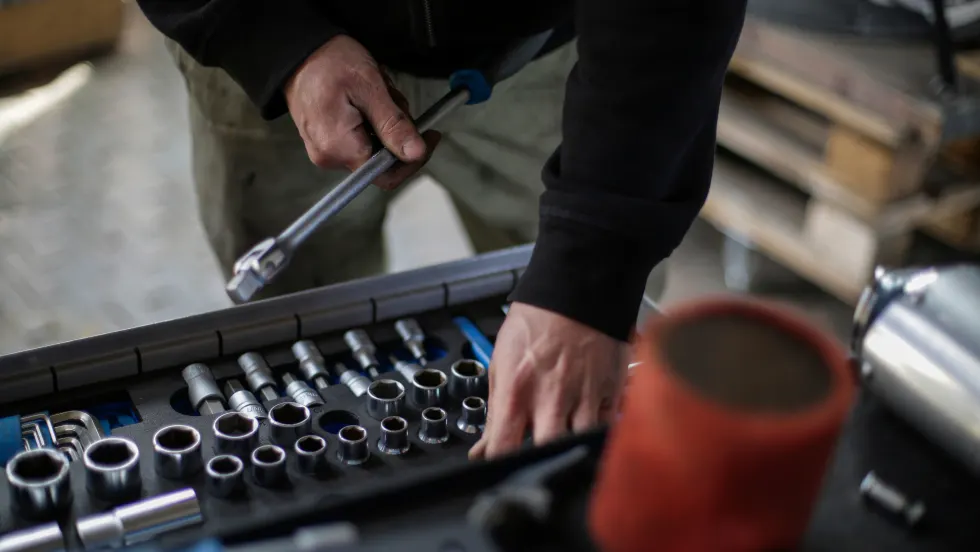
California Dealer Group Foundation Partners With ASE
CNCDA Foundation and ASE Connects collaboration is intended to build California's automotive technician workforce.
Read More →
Dealer Debrief: Fixed-Ops Opportunities
In this week's debrief, host Lauren Lawrence discusses maximizing your dealership's profitability with a focus on fixed operations.
Read More →
Dealer Debrief: Technician Apprenticeships
In this week's debrief, host Lauren Lawrence discusses a new grant for service tech apprenticeships and more industry workforce news.
Read More →
ASE Acquires WrenchWay
The auto technician certification nonprofit said the deal expands its role in workforce-development and support for current and future service professionals.
Read More →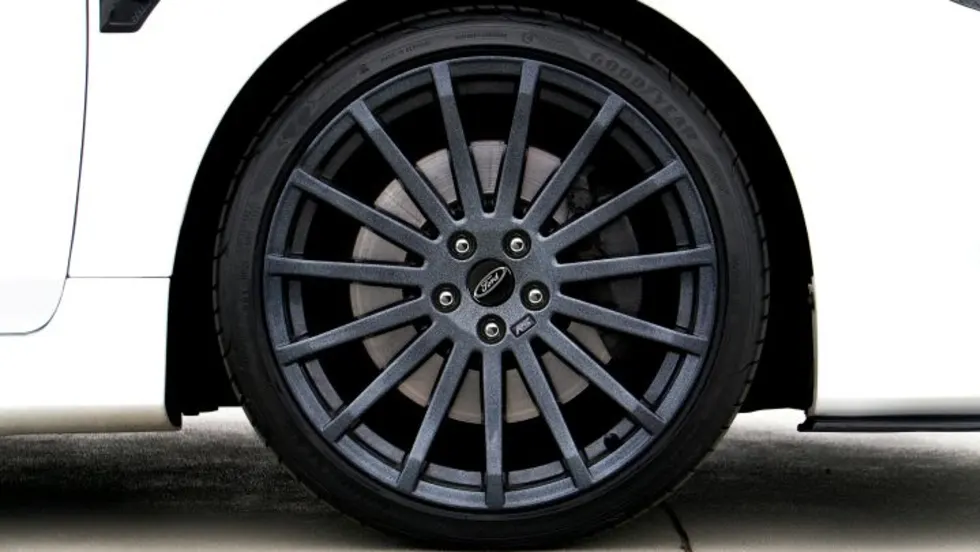
TraXtion Introduces TireSpec Website Solution
The company says the offering enables consumers to snap a photo of their tire with a smartphone and receive an instant replacement quote, capturing 90% of tire shoppers who start their shopping online.
Read More →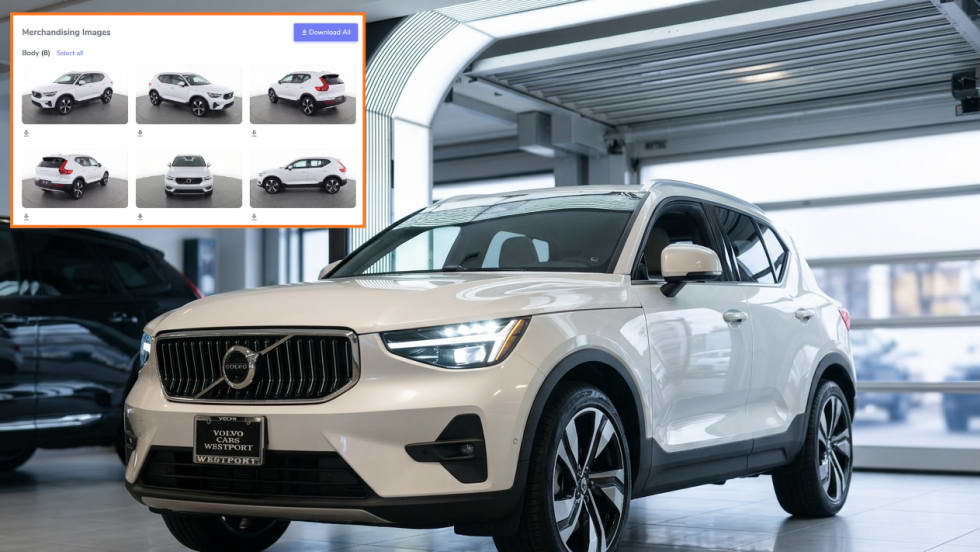
UVeye Launches Same-Day Vehicle Listings for Car Dealers
New 'Scan to Sold' offering turns the service lane into a website-ready merchandising photo booth designed to help dealerships reduce turnaround time from days to minutes.
Read More →
RockED, VINCUE Launch Inventory-Management Industry Certification
Offering for retail automotive dealers and operators is designed to address what the companies say is a lack of standardized and modern thought leadership in vehicle life-cycle management.
Read More →
Survey Shows What Technicians Want
Data gathered by the ASE Training Managers Council shows that service technicians prefer classroom or instructor-led training and hands-on lab work over online or self-led training.
Read More →
Automotive Service Pros Month Shifts to October
ASE is making the change to better align with two other sector observances that take place each year highlighting technicians' key role.
Read More →
Extreme Temps Hinder EV Efficiency
American consumers might be happy to know that their preferred hybrids are slightly less impacted by extreme temperatures than fully electric vehicles, according to a new study.
Read More →