



Toyota Eyes Leadership in EV Battery Technology Over Next Decade with Announced Investments
Japanese automaker Toyota plans to spend U$13.5bn to develop electric vehicle battery technology and supply system by 2030.

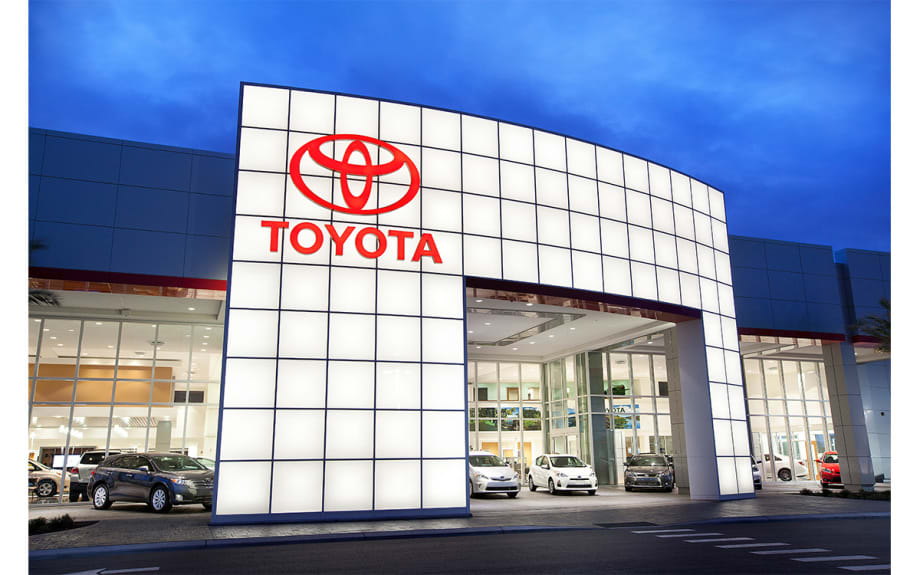
Japanese automaker Toyota plans to spend U$13.5bn to develop electric vehicle battery technology and supply system by 2030.
IMAGE: Toyota
GLOBAL DATA – Following the news that Japanese automaker Toyota plans to spend U$13.5bn to develop electric vehicle (EV) battery technology and supply system by 2030; Bakar Sadik Agwan, Senior Automotive Consulting Analyst at GlobalData, a leading data and analytics company, offers his view:
“Toyota, the world largest automaker by volume sales, pioneered the transition to hybrid vehicles since its first-generation Prius launched in 1997. The automaker’s latest plans indicate that it is eying similar success as hybrids, in battery-electric vehicles (BEVs) by gaining leadership in battery technology and supply.
“Toyota investing in the development and manufacturing of full line-up of batteries will support the company’s ambition of mass production of EVs and achieve its targets of selling 8 million EVs by 2030 and carbon neutrality target by 2050. It plans to launch 15 BEVs in the global market by 2025.
“The company plans over the next decade includes working on improving the present lithium-ion battery technology to reduce risks such as fire and get better endurance, launch a new advanced lithium-ion battery and introduce by second half of 2020. Also, work on material and structures to reduce cost of batteries by 30% and ultimately reduce cost of battery per vehicle by 50%. Toyota also plans to commercialize the next-gen solid-state batteries.
“It has planned to first use solid-state batteries in hybrid vehicles, which seems to be a practical and cost-effective step towards commercializing solid-state batteries, which are significantly higher priced than lithium-ion. Hybrids need only a small capacity compared to what BEV would have required, limiting the inflation in the vehicle cost. Toyota is already a frontrunner in solid-state battery development along with its partner Panasonic, early commercialization will give Toyota a significant leap in the global EV battery market.
“Toyota’s plans for in-house production of batteries apart from production with other partners is an important decision that will offer it a competitive edge over other players and secure enough supply for its future vehicles – a major challenge during these COVID-19 times and budding EV sales.
“Toyota seems to be quite holistic in its battery plans and will solve major concerns pertaining to batteries and EVs namely – higher cost of vehicles, range anxiety, concerns over service life, battery quality, performance and fire issues. The roadmap will significantly enhance Toyota’s competitive position in EV market over next decade.”
More Fixed Ops
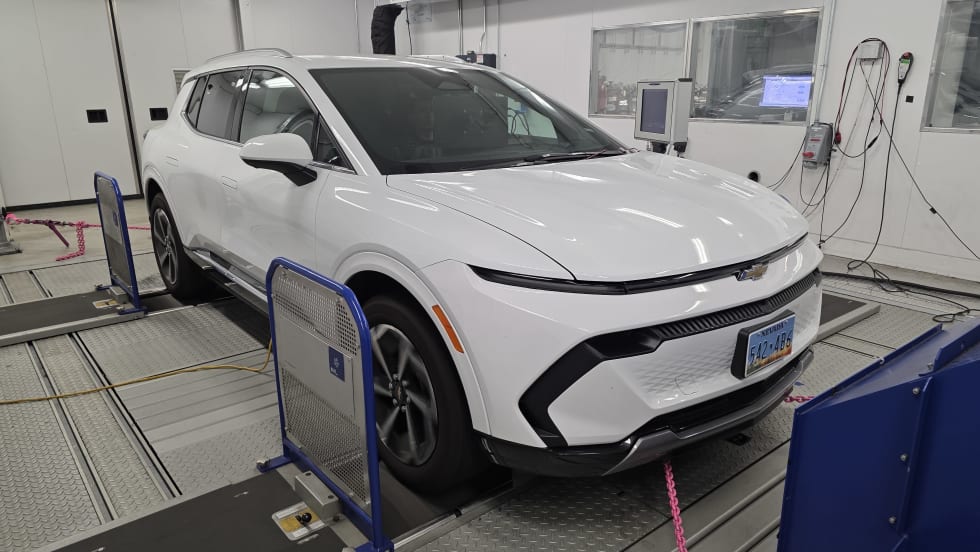
Extreme Temps Hinder EV Efficiency
American consumers might be happy to know that their preferred hybrids are slightly less impacted by extreme temperatures than fully electric vehicles, according to a new study.
Read More →
Ban on Air Bag Inflators by Chinese Maker Proposed
NHTSA blames 10 deaths and two serious injuries on what its investigators believe were illegally imported air bag inflators. It’s taking public comments before deciding whether to ban them outright.
Read More →
Fix It Forward Program Helps Man Regain Mobility
Albuquerque consumer who suffered a life-changing injury regains the use of his vehicle after Fiesta Volkswagen's service team shared his story with DOWC Cares.
Read More →
ASE Connects Partners With Worldpac to Build Technician Numbers
The collaboration is intended to help auto dealerships, automakers and after-market shops further develop the technician pipeline.
Read More →
Not as Tickled With Tires
U.S. consumers are finding less satisfaction with the rubber that meets their roads, though their loyalty to tire brands has lately inched up.
Read More →
Auto Recalls Sank Last Year
2025 Sedgwick data indicate that the number of vehicles affected fell to its lowest point in more than a decade.
Read More →
ASE Winter Registration Now Open
The deadline to register for the industry standard certification testing is March 31.
Read More →
U.S. Drivers Overdue for Major Services
Data shows dealers have ample opportunity ahead of the holiday travel season.
Read More →
Auto Dealers Losing Service Customers
Study finds that though overall service drive revenue is up, loyalty is eroding
Read More →
Jeeps Can Catch Fire
Hundreds of thousands recalled, some for second time, to address battery flaw
Read More →