



U.S. Appeals Court Rejects Challenge to FCC Decision to Shift 5.9-GHz Reallocation
The U.S. Court of Appeals for the District of Columbia has rejected a legal challenge to a decision to shift part of the 5.9-GHz band spectrum block from auto safety to wireless devices.

TheVerge.com
A U.S. appeals court has rejected a legal challenge to the 2020 Federal Communications Commission (FCC) decision to shift part of the 5.9-GHz band spectrum block from auto safety to wireless devices.
The Intelligent Transportation Society of America and the American Association of State Highway and Transportation Officials brought a legal challenge to reverse the 5.9-GHz band reallocation before the c.
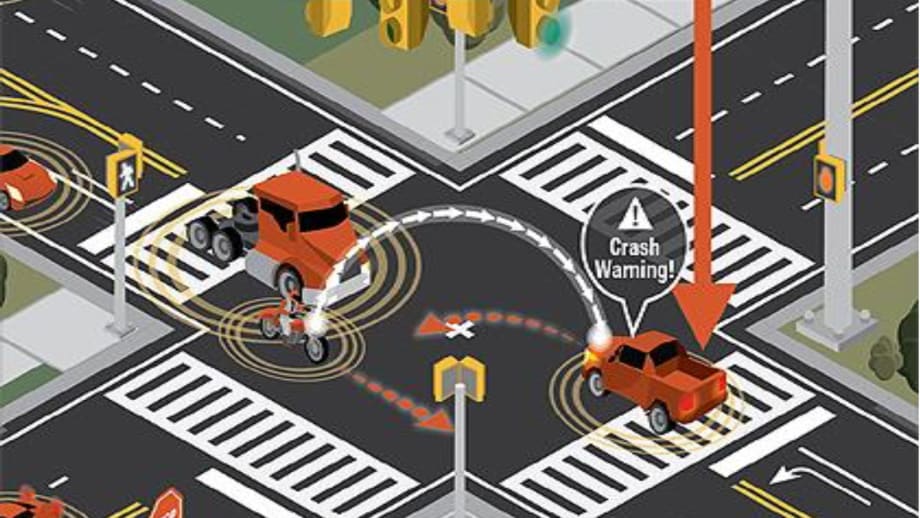
The FCC reserved the spectrum block in 1999 for automakers to develop technology that allowed vehicles to communicate and avoid crashes. To date, the industry hasn’t used the block.
At that time, the NCTA – The Internet & Television Association called the decision “an enormous victory for American consumers” that “enables that important 5.9-GHz spectrum to provide consumers with even more reliable, high-speed Wi-Fi and access to next-generation automotive safety applications."
But in 2020, the U.S. Transportation Department called the FCC plan “a particularly dangerous regulatory approach when public safety is at stake.”
The FCC then voted to shift 30 megahertz of the 75 megahertz reserved for Dedicated Short-Range Communications (DSRC) to an automotive communications technology called Cellular Vehicle-to-Everything, or C-V2X, while moving the remainder to Wi-Fi use.
Automakers opposed the split citing safety concerns, while major cable, telecom and content companies claimed the allocation was needed to support growing Wi-Fi use.
Government studies suggest the technology, if widely adopted in U.S. vehicles, could prevent over 600,000 crashes annually.
More Digital

Dealer Debrief: Dealer's Choice Awards
In this week's debrief, host Lauren Lawrence covers reinsurance, IIHS safety picks, and voting for the 2026 Dealers' Choice Awards.
Read More →
JD Power Launches F&I Performance, ID Verification Tools
The resources are the first two offerings by the company's new Dealer Solutions division, which is being led by auto industry veteran Doug Betts.
Read More →
Advanced Safety Features Make a Difference
GM says research shows such technologies have made real inroads in reducing the rate of U.S. collisions as it aims for crash-free roads.
Read More →
Cox Automotive to Acquire Fullpath
The company says the deal brings artificial intelligence-native data and marketing infrastructure to its dealer network for a unified platform.
Read More →
Managing Risk Effectively Through Changing Times
The variables influencing risk pricing have changed significantly over the past five years. Being proactive and responsive to emerging trends is not optional but essential.
Read More →
Dealer Debrief: EV Sales, Brand Loyalty & More
In this week's Dealer Debrief, host Lauren Lawrence covers EV sales, tire brand loyalty, and new industry executive leaders.
Read More →
Reynolds, Corpay Partner to Enhance Dealership Payables
The new connection between the companies is designed to help digitize payments, targeting smoother transactions for automotive dealers.
Read More →
Owner Retention Stakes Have Never Been Higher
Service advisers represent dealerships’ foundation in fostering ongoing customer loyalty, and they must maintain certain standards to keep that foundation strong.
Read More →
Free Public Scoring System Rewards Honest Dealer Prices
CarEdge Dealer Transparency Index is based on verified quotes, and retailers can be rewarded with badges and other marketable proofs of honest pricing.
Read More →
Automaker Websites Valuable Tools
The majority of shoppers visit them, and most undecided consumers consider the brands whose sites they peruse, but some automakers emphasize brand over product detail.
Read More →