



BLACK BOOK: Weekly Market Update
As calendar year 2021 comes to a close, wholesale prices continue to rise, and noticeable differences can be seen compared to prior calendar years.

As calendar year 2021 comes to a close, wholesale prices continue to rise, and noticeable differences can be seen compared to prior calendar years.
BLACK BOOK – Wholesale Prices, Week Ending December 18th
The softening trend continued this past week, with the overall market slowing the rate of increase, sales rates declining, and more segments reporting decreases in prices compared to the week prior.
This Week Last Week 2017-2019 Average (Same Week)
Car segments +0.04% +0.01% -0.53%
Truck & SUV segments +0.15% +0.30% -0.65%
Market +0.11% +0.20% -0.60%
Car Segments
On a volume-weighted basis, the overall Car segment increased +0.04%. For reference, the previous week, cars increased by +0.01%.
Compact Cars decreased for a third consecutive week, -0.16% after the prior week’s decline of -0.37%.
Mid-Size Cars continue to increase. This past week’s increase of +0.24% marks the eighteenth week of gains for an average weekly increase of +0.64%.
The Sub-Compact Car segment declined -0.06% last week, compared to -1.19% the same week in 2019.
Truck / SUV Segments
The volume-weighted, overall Truck segment increased +0.15%, compared to the prior week’s increase of +0.30%.
Full-Size Vans reported another week of gains, increasing +0.88%. This now marks the forty-sixth increase in the last forty-seven weeks.
The other two van segments, Compact and Minivan, also reported increases of +0.78% and +0.39%, respectively.
Compact Crossovers declined by -0.24% last week, after sixteen weeks of consecutive increases.
Weekly Wholesale Index
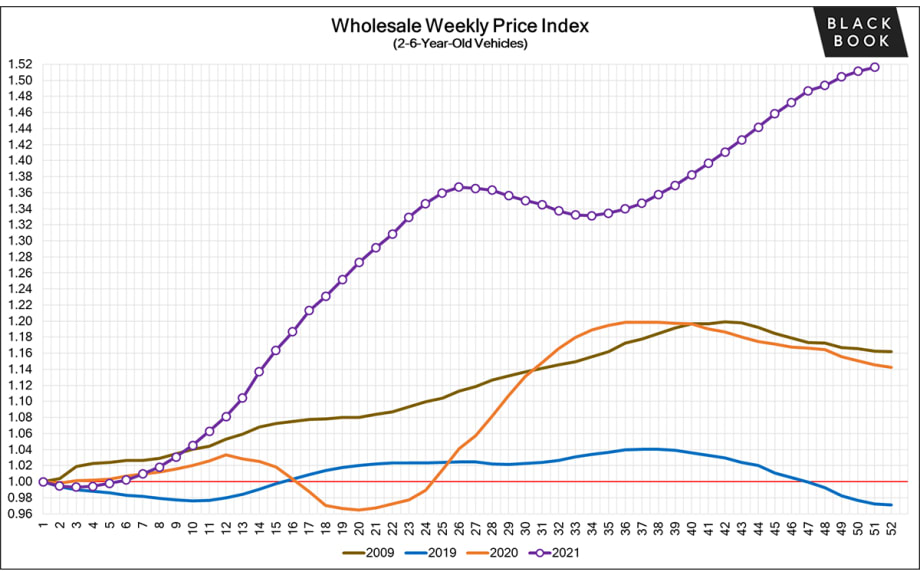
Calendar year 2020 ended with used wholesale prices at elevated levels. With economic patterns (including the automotive market) driven by the pandemic, normal seasonal patterns (e.g., 2019 calendar year) in the wholesale market were not observed for most of the year. We saw a similar picture in 2009, at the end of the Great Recession. Calendar year 2021 has not had typical seasonality patterns as the market has had rapid increases in wholesale values for the majority of the year. After reaching record heights at the end of June, wholesale prices began to decline at a rate higher than the typical seasonal decline through July and most of August. As we moved into the Fall season, wholesale prices began to show positive movement once again. As calendar year 2021 comes to a close, wholesale prices continue to rise, and noticeable differences can be seen compared to prior calendar years. The Wholesale Weekly Price Index reached the highest point of the year last week, once again, this time reporting over 1.51 points.
The graph below looks at trends in wholesale prices of 2-6-year-old vehicles, indexed to the first week of the year.
Retail (Used and New) Insights
AutoForecast Solutions forecasted that a total of 11.31 million vehicles will be cut from CY21 production worldwide due to the microchip shortage, which is a slight improvement from the 11.33 million forecasted last week.
Ford announced that the high demand for their Mustang Mach-E and F-150 Lightning EVs have caused delays in the production of their upcoming Ford Explorer and Lincoln Aviator EVs.
Chinese EV maker Nio Inc. unveiled their second sedan, the all-electric ET5, which will compete against Tesla’s Model 3.
Mercedes teased the EQXX couple-styled EV, which will be prominently displayed at the upcoming Consumer Electronics Show.
Toyota recently unveiled a large number of electric concepts including EVs resembling the Tacoma and FJ Cruiser.
Rivian’s all-electric pickup truck, the R1T, was recently named the 2022 MotorTrend Truck of the Year.
Used Retail Prices
With the proliferation of ‘no-haggle pricing’ for used-vehicle retailing, asking prices accurately measure trends in the retail space. Retail demand slowed down at the end of last year, and thus resulted in declining retail asking prices for the last several weeks of 2020. As demand rebounded, retail prices have lagged slightly behind wholesale prices, but March had an accelerated growth in retail prices. In April and May, retail prices picked up speed as demand accelerated, fueled by stimulus payments, tax season, and shortages of new inventory. During the third quarter, retail prices continued to rise at a slower rate but have since picked up. In Q4, prices on retail listings have steadily increased week after week. As we finish up the year, the retail listing price index now sits at around 35% above where we started the year. The scarcity of both new and used inventory in the market continues to fuel these consistent increases.
This analysis is based on approximately two million vehicles listed for sale on U.S. dealer lots. The graph below looks at 2-6-year-old vehicles.
Inventory
Used Retail
Used retail listings have fallen again and now sit around 16% below where we started the year. This is not a great sign as we head into what is historically one of the busiest times of year for vehicle sales. We would typically expect retail listing volume to increase dramatically at this point, which can be seen in the graph for both CY 2019 and 2020.
Days-to-turn for used retail listings has leveled off and sits at around 38 days, which is still lower than the 42-day average seen in prior years.
Wholesale
With less than 2 weeks left in the 2021 calendar year, the vehicles running through auction lanes serve as an indicative reminder of what the year brought us in the automotive industry. Manufacturers now have little to no inventory and their high floor prices reflect that lack of supply. Rental companies have been unable to acquire inventory through their normal channels and have significantly increased competition in the lanes as they try to keep up with demand for rental vehicles. Dealerships continue to have increased inventory at auction, sometimes preferring to sell through the wholesale channel than try to retail a vehicle. As new vehicle inventory starts flowing back through franchise dealer lots, the intense pressure for used inventory may start to subside.
The weekly estimated average sales rate dropped slightly to 68% this week, after remaining at 69% for 2 weeks in a row. This time last year, the estimated average weekly sales rate dropped to around 50%, so while procuring inventory may be more difficult, buyers are still willing to purchase vehicles at auction at a higher rate.
The overall wholesale market for 2-8-year-old vehicles increased by +0.11% last week, and 0-2-year-old vehicles increased +0.22%.
Originally posted on F&I and Showroom
More Fixed Ops
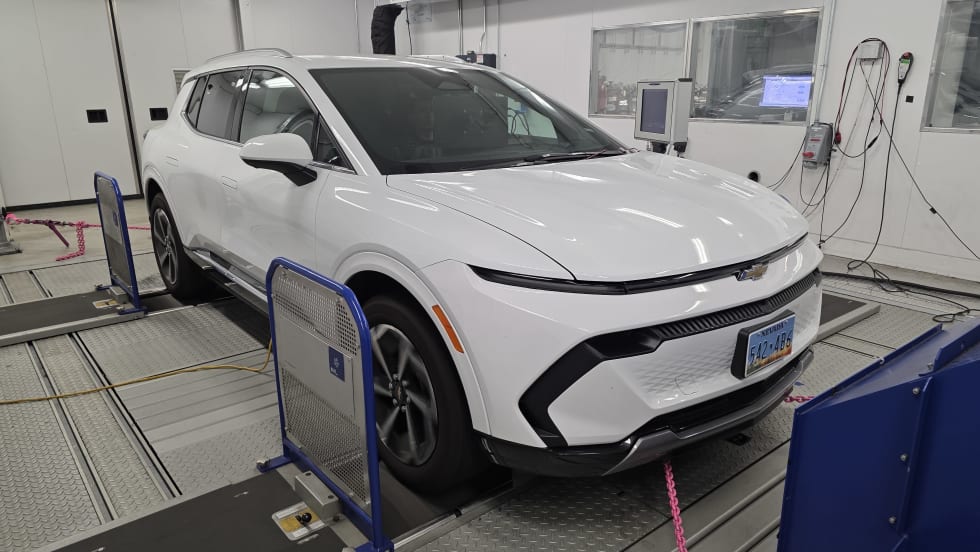
Extreme Temps Hinder EV Efficiency
American consumers might be happy to know that their preferred hybrids are slightly less impacted by extreme temperatures than fully electric vehicles, according to a new study.
Read More →
Ban on Air Bag Inflators by Chinese Maker Proposed
NHTSA blames 10 deaths and two serious injuries on what its investigators believe were illegally imported air bag inflators. It’s taking public comments before deciding whether to ban them outright.
Read More →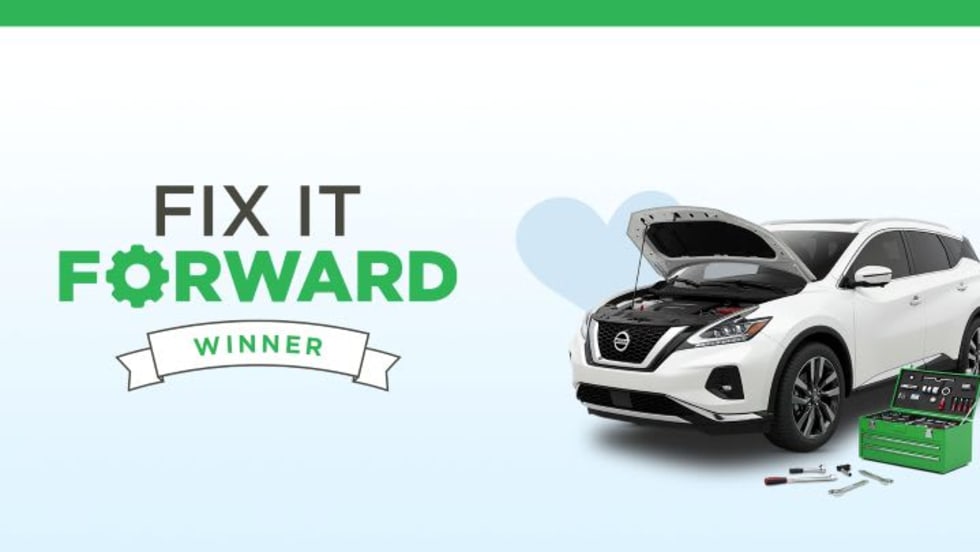
Fix It Forward Program Helps Man Regain Mobility
Albuquerque consumer who suffered a life-changing injury regains the use of his vehicle after Fiesta Volkswagen's service team shared his story with DOWC Cares.
Read More →
ASE Connects Partners With Worldpac to Build Technician Numbers
The collaboration is intended to help auto dealerships, automakers and after-market shops further develop the technician pipeline.
Read More →
Not as Tickled With Tires
U.S. consumers are finding less satisfaction with the rubber that meets their roads, though their loyalty to tire brands has lately inched up.
Read More →
Auto Recalls Sank Last Year
2025 Sedgwick data indicate that the number of vehicles affected fell to its lowest point in more than a decade.
Read More →
ASE Winter Registration Now Open
The deadline to register for the industry standard certification testing is March 31.
Read More →
U.S. Drivers Overdue for Major Services
Data shows dealers have ample opportunity ahead of the holiday travel season.
Read More →
Auto Dealers Losing Service Customers
Study finds that though overall service drive revenue is up, loyalty is eroding
Read More →
Jeeps Can Catch Fire
Hundreds of thousands recalled, some for second time, to address battery flaw
Read More →