



Seat Belt Reminders Could Grow
NHTSA wants front, rear passenger signals in new passenger vehicles.


The NHTSA estimates the rule would prevent more than 100 traffic deaths a year and some 300 injuries.
IMAGE: Pexels/freestocks.org
U.S. traffic safety regulators have proposed more seat belt reminder systems in new passenger vehicles.
The proposed National Highway Traffic Safety Administration rule would require automakers to install the reminder signals for front and rear passenger seats in vehicles of 10,000 pounds gross weight and lighter. The signals are currently required only for the driver’s seat, though the rule would also enhance those.
A visual signal after the car is started and lasting 60 seconds and an audio-visual signal while it’s operating and lasting 30 seconds would alert the driver of unbuckled rear seat belts, much longer than current driver signals last - about 10 seconds. In the front, audio-visual signals would engage until the driver and passenger seat belts are buckled.
The NHTSA says automakers could adjust frequency and volume of the signals for effectiveness and owners’ satisfaction.
The division of the U.S. Department of Transportation estimates the rule, if adopted, would prevent more than 100 traffic deaths a year and some 300 injuries. It said seat belt use is up from a decade ago but that rear seat belt use is lower than that in front seats. It said buckling up cuts risk of fatality in the rear by 55% in passenger cars and by 74% in light trucks and vans.
NHTSA Acting Administrator Ann Carlson said in a press release that half of the nearly 43,000 people who died in auto crashes in 2021 were unbuckled.
The NHTSA will take public comment about the proposed rule for 60 days.
More Dealer Ops

How to Avoid Phone Scams | Dealer Debrief 09/10/2026
Are you taking the necessary steps to protect your dealership and customer data from phone-based scams? This week's Dealer Debrief breaks down how!
Read More →
Dealer Debrief: August Auto Sales
Gas-powered engines still dominate the U.S. vehicle market, but hybrids are gaining ground as consumers look for ways to cut their gas costs.
Read More →
Dealership Profits Decline
While new and used retail sales stagnated, dealerships have been particularly supported by fixed operations and finance-and-insurance profits, according to a new report.
Read More →
Dealer Debrief: Defection Data & EV Updates
In this week's debrief, host Lauren Lawrence discusses how to use defection data to your advantage and the latest on EV sales and charging infrastructure.
Read More →
How Defection Data is Bridging the Dealership Conversion Gap
Lead volume is flat, cross-shopping is up and brand loyalty is in retreat. As confident sales teams keep losing buyers they thought they had, daily industry sales data is showing dealers exactly where their funnel is breaking and how to fix it without buying a single new lead.
Read More →
Dealer Debrief: Where are you losing customers?
In this week's debrief, host Lauren Lawrence discusses the hidden leaks in dealerships where you might be losing customers without even realizing it.
Read More →
Dealer Debrief: Improving Your Inventory Management
In this week's debrief, host Lauren Lawrence covers a new survey that shows what service technicians really want and two launches that could help improve your inventory and vehicle life cycle management.
Read More →
Ladies and Gentlemen, This Is a Dealership: Why the Fundamentals Still Decide Who Wins
A teaching moment by a legendary football coach happens to apply perfectly in the auto retail space. Learn what it is and how to use it to your store’s advantage.
Read More →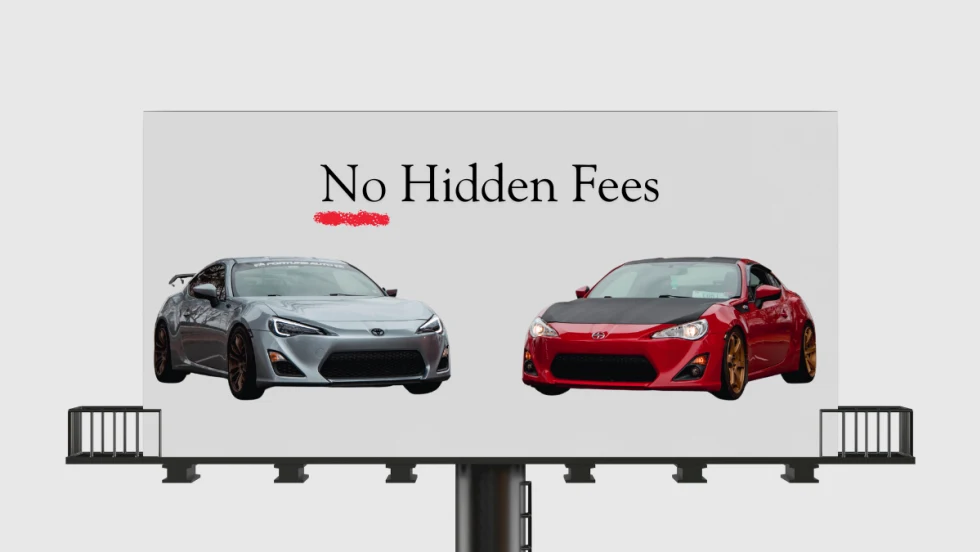
Dealer Ads and the FTC
The agency has made it clear in recent enforcement actions and warnings, in auto retail and other industries, that advertised prices must include all nonoptional costs to the consumer.
Read More →
Used Autos Supply Dwindles
The March shopping surge, despite high prices, cut into inventory by the most since the thick of the pandemic, Cox Automotive analysts calculated.
Read More →