



The Risk When the Customer Is Not in the Dealership
Take this series of steps to help protect your business from fraud by this method.


Sometimes warning signals such as remote deliveries are overlooked or ignored in the rush to seal the deal.
Pexels/Marek Levak
I periodically order wine from a West Coast state simply because it is not available locally. This of course means that the winery must ship the wine to my home. It also means that I must sign for the shipment since alcohol is involved.
Occasionally I am not home for the scheduled delivery. In these instances I am able to divert delivery to an authorized location, in my case, my local pharmacy. I have a great app on my phone to manage this process.
I recently received a call from a dealership to discuss an attempted theft by an identity thief. The deal seemed to be a straightforward transaction with a consumer from out of state. This dealer typically does a number of deals from out-of-state customers, so it’s not a novice when it comes to selling vehicles to customers who are not in the store.
The dealership shipped the docs to the victim’s address via the same delivery service that ships my wine. The identity thief contacted the delivery service to divert the delivery. Fortunately, the victim has the same phone app I do and learned of the expected delivery and diversion from a source he couldn’t identify. He beat the identity thief to the diversion locale and picked up the docs.
Caution
When you dissect an identity-theft case, you will likely find some signals, or red flags, which may have prevented the crime. Sometimes these signals are overlooked or ignored in the rush to seal the deal.
Obviously not every sale outside of the dealership is an identity theft, but some of the more blatant thefts end up being departures from the norm:
The customer is not in the geographic footprint of the dealership.
The dealer has never done business with the customer before.
The customer never steps foot in the dealership.
Process – Remote Deliveries
For simplicity, let’s call these sales remote deliveries. The remote delivery process should be a separate and distinct part of your sales and F&I policy manual.
Obtain and vet the credit application
The credit application is one of the first signals of a remote delivery. When the customer’s address is outside of the dealer’s geographic footprint, immediately start the vetting process.
Why is the customer trying to purchase a vehicle from you? Especially salient if the vehicle is a model for which you have a 100-day supply.
Has the customer ever done business with you before?
Pull up a satellite image of the residence address. Be careful if you find a warehouse or a campground.
Vet the provided identity
You are familiar with the state-generated IDs from your state, and maybe even neighboring states. You may not be so familiar with a state ID or driver’s license from another region.
Use a search engine to view images of valid state IDs or driver’s licenses.
Vet the photo ID against images available on social media.
Ask for another photo ID.
Confirm the wear and tear on the ID is consistent with its age. If the ID was issued three years ago and appears brand-new – watch out.
Complete the Red Flags review
Run the red-flags review and ensure there are no red flags noted. If there are any red flags, proceed with your clearing process and retain all documentation used to clear the flags.
Use the available out-of-wallet questions as an added precaution, particularly if the customer is not and will not be in the dealership.
Use a video calling service to connect with the applicant to ask the out-of-wallet questions and review the menu.
Complete the paperwork
E-contracting is a preferred and safer contracting method. For those customers who you have decided to ship the paperwork to, you should seriously consider using available services that will send a notary to the customer’s residence to complete the signing of all paperwork.
Deliver the vehicle
Many of the remote deliveries that turned out to be identity theft cases have a common thread. The thief called the driver of the shipping company and had the delivery diverted to an alternative address.
Make certain to get it in writing that the shipping company is to contact you if such a request is made before continuing with the delivery.
Taking some of these precautions can help to avoid some of the angst of identity theft.
Good luck, and Good selling!
Gil Van Over is executive director of Automotive Compliance Education (ACE). He is also founder and president of gvo3 & Associates.
Originally posted on F&I and Showroom
More Industry
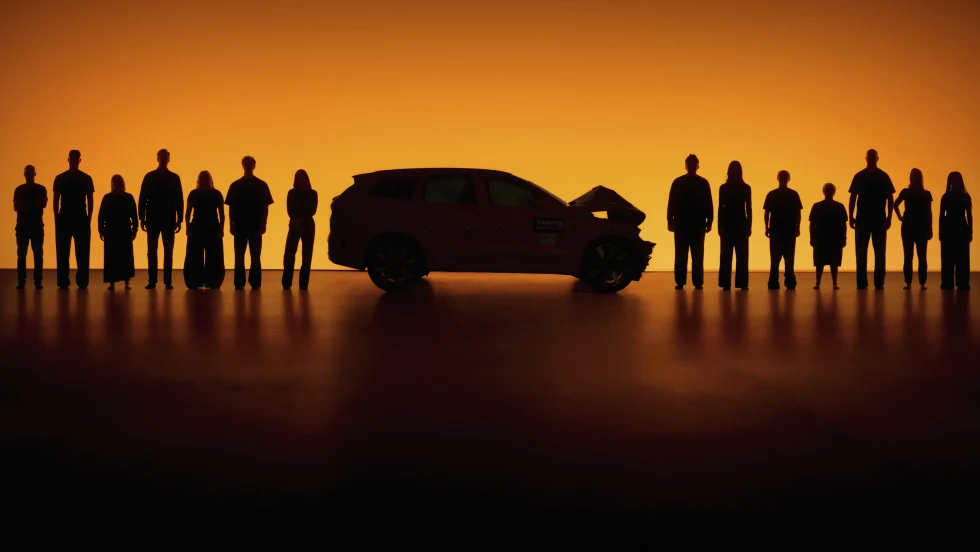
Automaker Advances Safety for All
A new report by Volvo Cars Safety Centre analyzed the impact of 50 years' worth of research in automotive safety development
Read More →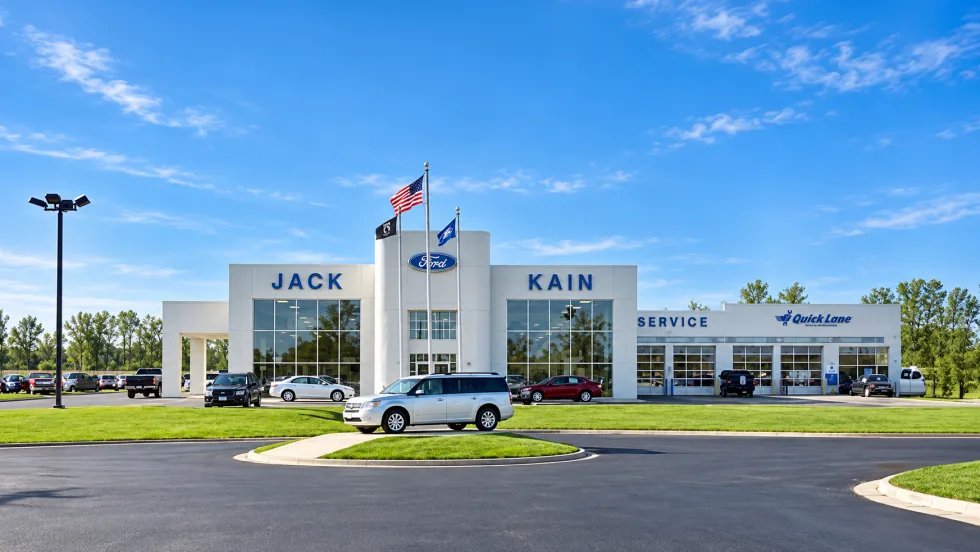
Kentucky Store Leaves Family
An auto group stretched across three states picked up the Lexington-area Ford fixture as its second store for the brand in the state.
Read More →
U.S. Auto Brands Falling Behind
Asian auto brands are outpacing U.S. brands in stateside new-vehicle sales. Learn more in this week's Dealer Debrief with Lauren!
Read More →
U.S. EV Market Update | Dealer Debrief
The U.S. electric vehicle market is slowly recovering from the loss of the federal EV tax credit last fall. Learn more in this week's Dealer Debrief!
Read More →
Auto Finance Numbers Set Records
Third-quarter data show how consumers are adapting to ongoing affordability challenges facing the new- and-used-vehicle markets.
Read More →
Auto Dealerships Can’t Afford to Ignore the 50+ Consumer
Younger generations may be all the buzz today when it comes to product marketing targets, but their older cohorts command a sizable share of purchasing power.
Read More →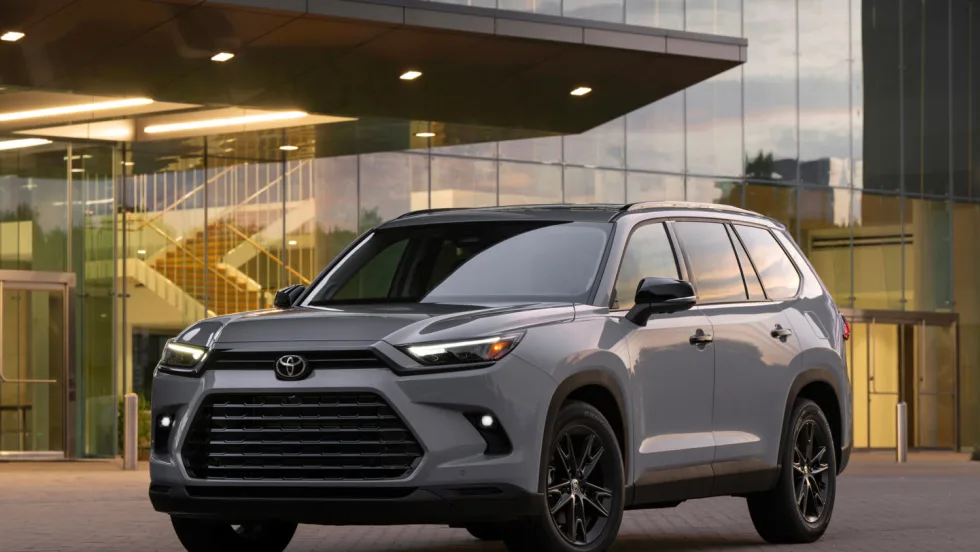
Savings Seekers Boost U.S. Automakers’ Rivals
As consumers here look for ways to curb inflation’s affect on their budgets, brands offering plenty of alternative powertrains are closing in on home-grown OEMs.
Read More →
The Slow Electric Ascent
Second-quarter data show that the electric-vehicle market in the U.S. is inching up, the majority of states seeing a month-over-month increase.
Read More →
Safer Rides & Cyberattacks
Vehicle crash testing is getting a virtual boost, but auto dealerships are facing increased cyberattacks. Learn more in this week's Dealer Debrief!
Read More →
Affordability Angst | Dealer Debrief
August saw little relief for car buyers, whether they were shopping new or used. Take a look at the month's breakdown in this week's Dealer Debrief!
Read More →