



Many PHEVs Not Moving
Consumers say they’re not finding the higher cost worth it compared to hybrids and BEVs.


The Ford Escape PHEV is among 41 plug-in hybrids on the U.S. market.
Ford
Plug-in hybrid electric vehicles, though closer to purely electric models than hybrids in both carbon emissions reduction and fuel economy, are getting a cool reception from the buying public.
New research by J.D. Power finds that while automakers are trying to position PHEVs as a springboard to fully electric vehicle adoption, not many consumers are buying.
Though there are plenty of available PHEV models on the market, in fact a couple more than the hybrids segment, they still comprise less than 2% of the U.S. automotive market, compared to 9% for purely electric vehicles and 11% for hybrids, or HEVs, according to the study.
The top reasons for passing over PHEVs are their higher prices and lower customer satisfaction compared to their electric family counterparts.
J.D. Power found the average customer-facing transaction price, or the negotiated price before incentives are applied, for a compact PHEV SUV is $48,700, versus a hybrid of the same category at $37,700, and a purely electric model at $36,900.
Meanwhile, consumers have been less satisfied with PHEVs. The study found overall satisfaction at 669 on a 1,000-point scale compared to 716 for fully electric models. The reasons are ownership costs exceeding expectations paired with the more expensive purchase cost.
Automakers, seeing that overall EV adoption is proving slower than they had expected in recent years, have been retooling their strategies to fuel consumer interest, from offering Tesla fast-charger adapters to Ford's recent offer of free home chargers to EV buyers.
More Industry
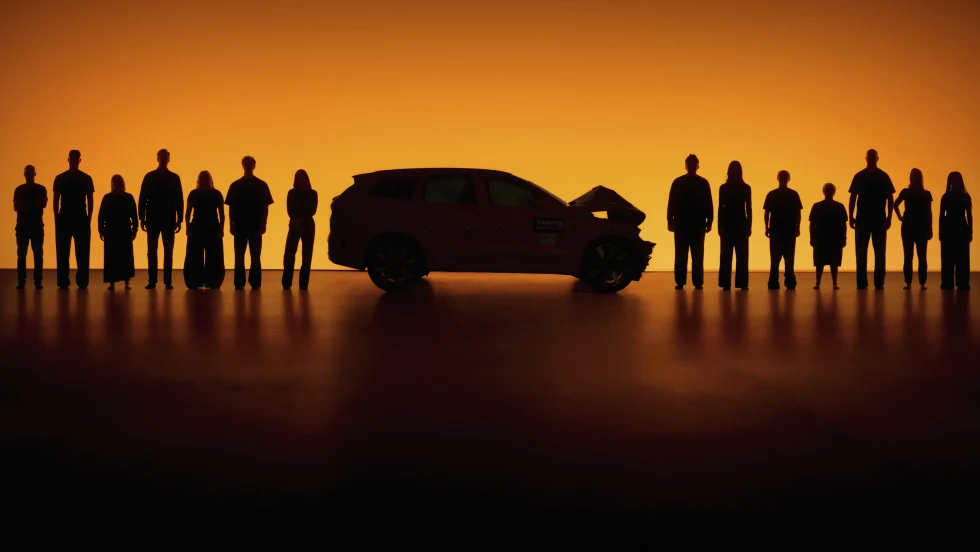
Automaker Advances Safety for All
A new report by Volvo Cars Safety Centre analyzed the impact of 50 years' worth of research in automotive safety development
Read More →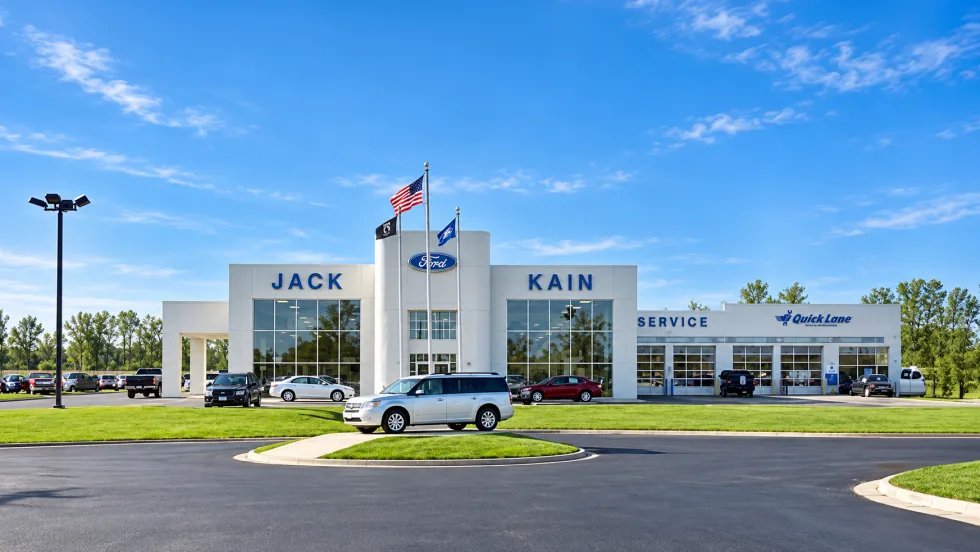
Kentucky Store Leaves Family
An auto group stretched across three states picked up the Lexington-area Ford fixture as its second store for the brand in the state.
Read More →
U.S. Auto Brands Falling Behind
Asian auto brands are outpacing U.S. brands in stateside new-vehicle sales. Learn more in this week's Dealer Debrief with Lauren!
Read More →
U.S. EV Market Update | Dealer Debrief
The U.S. electric vehicle market is slowly recovering from the loss of the federal EV tax credit last fall. Learn more in this week's Dealer Debrief!
Read More →
Auto Finance Numbers Set Records
Third-quarter data show how consumers are adapting to ongoing affordability challenges facing the new- and-used-vehicle markets.
Read More →
Auto Dealerships Can’t Afford to Ignore the 50+ Consumer
Younger generations may be all the buzz today when it comes to product marketing targets, but their older cohorts command a sizable share of purchasing power.
Read More →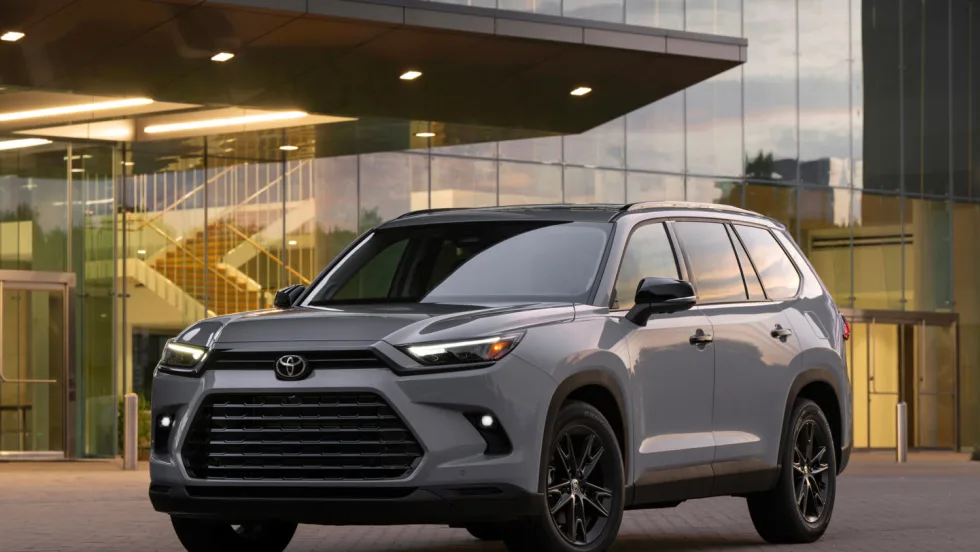
Savings Seekers Boost U.S. Automakers’ Rivals
As consumers here look for ways to curb inflation’s affect on their budgets, brands offering plenty of alternative powertrains are closing in on home-grown OEMs.
Read More →
The Slow Electric Ascent
Second-quarter data show that the electric-vehicle market in the U.S. is inching up, the majority of states seeing a month-over-month increase.
Read More →
Safer Rides & Cyberattacks
Vehicle crash testing is getting a virtual boost, but auto dealerships are facing increased cyberattacks. Learn more in this week's Dealer Debrief!
Read More →
Affordability Angst | Dealer Debrief
August saw little relief for car buyers, whether they were shopping new or used. Take a look at the month's breakdown in this week's Dealer Debrief!
Read More →