



Carmakers Embrace Sustainability
Growing use of recycled materials, parts in vehicle manufacturing could bring a significant market shift, report says.

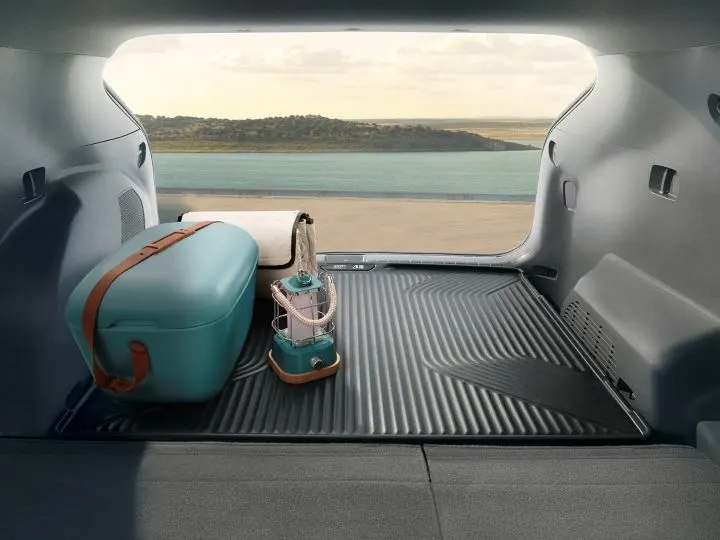
Kia introduced a matt for its EV3 last fall that's made from plastic from the Great Pacific Garbage Patch.
Kia
Automakers are increasingly incorporating recycled materials into their vehicle manufacturing in response to consumer interest, a new report shows.
The trend stands to reshape market competition, according to the analysis by GlobalData, a London-based data analytics provider and consultant.
A “considerable shift” is taking place in the industry when it comes to materials sourcing and production processes as automakers prioritize recycled and sustainable materials, the report says.
Incorporating such changes, in addition to reducing environmental impacts, can reduce production costs and make operations more efficient, says GlobalData, which adds that for the consumer lighter-weight materials, including recycled plastics, improve fuel efficiency.
It points out efforts by multiple major automakers:
Toyota, Mazda and Honda programs to use recycled plastics in vehicle manufacturing
Ford’s seat cushions that incorporate plastic recycled from water bottles
Volvo’s use of recycled material from fishing nets and ropes in one model’s interior components
Jaguar’s application of vehicle fabric made from ocean debris plastics
Toyota announced a new program this month to recycle vehicles and their parts to make new ones. The Toyota Circular Factory starts its first operation this fall at a Corolla plant in England.
Automakers are collaborating with recycling companies to source materials, says GlobalData, which expects the efforts to influence auto consumer buying habits and bring a “significant” shift to the industry.
“As manufacturers adapt to these sustainable practices, we may observe a transformation in consumer preferences, with buyers increasingly favoring brands that prioritize environmental responsibility,” said company Automotive Analyst Madhuchhanda Palit.
Increased demand for recycled material for auto manufacturing could also increase demand for more electric and hybrid vehicles, feeding industry growth, Palit says.
More Industry
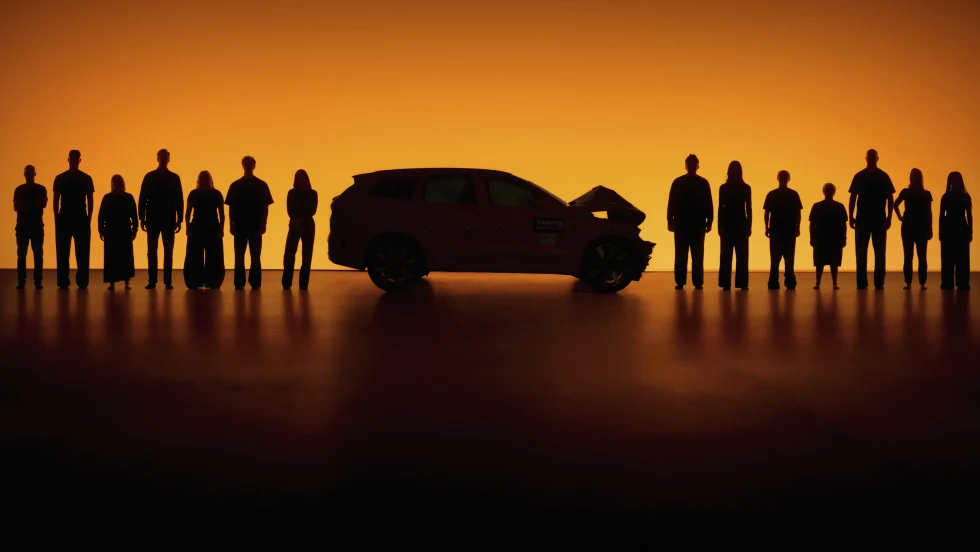
Automaker Advances Safety for All
A new report by Volvo Cars Safety Centre analyzed the impact of 50 years' worth of research in automotive safety development
Read More →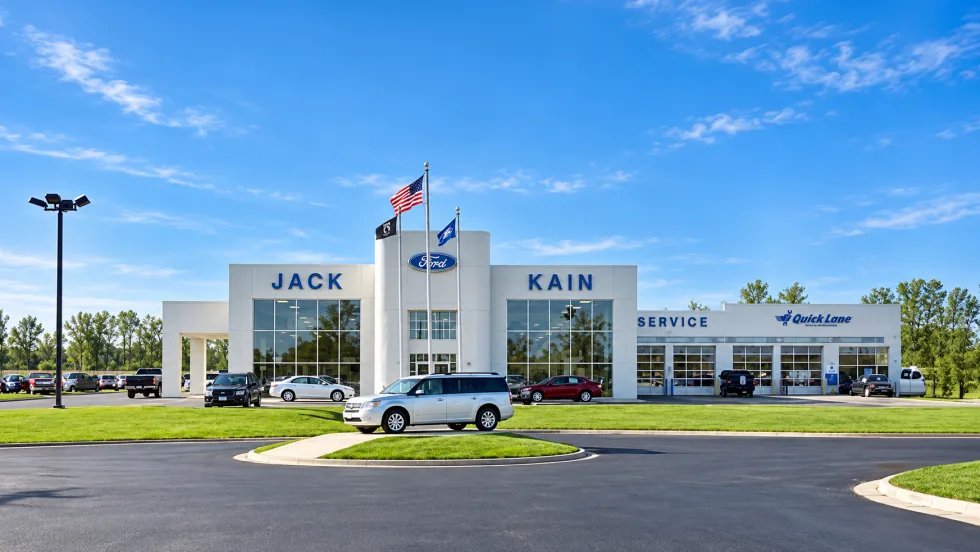
Kentucky Store Leaves Family
An auto group stretched across three states picked up the Lexington-area Ford fixture as its second store for the brand in the state.
Read More →
U.S. Auto Brands Falling Behind
Asian auto brands are outpacing U.S. brands in stateside new-vehicle sales. Learn more in this week's Dealer Debrief with Lauren!
Read More →
U.S. EV Market Update | Dealer Debrief
The U.S. electric vehicle market is slowly recovering from the loss of the federal EV tax credit last fall. Learn more in this week's Dealer Debrief!
Read More →
Auto Finance Numbers Set Records
Third-quarter data show how consumers are adapting to ongoing affordability challenges facing the new- and-used-vehicle markets.
Read More →
Auto Dealerships Can’t Afford to Ignore the 50+ Consumer
Younger generations may be all the buzz today when it comes to product marketing targets, but their older cohorts command a sizable share of purchasing power.
Read More →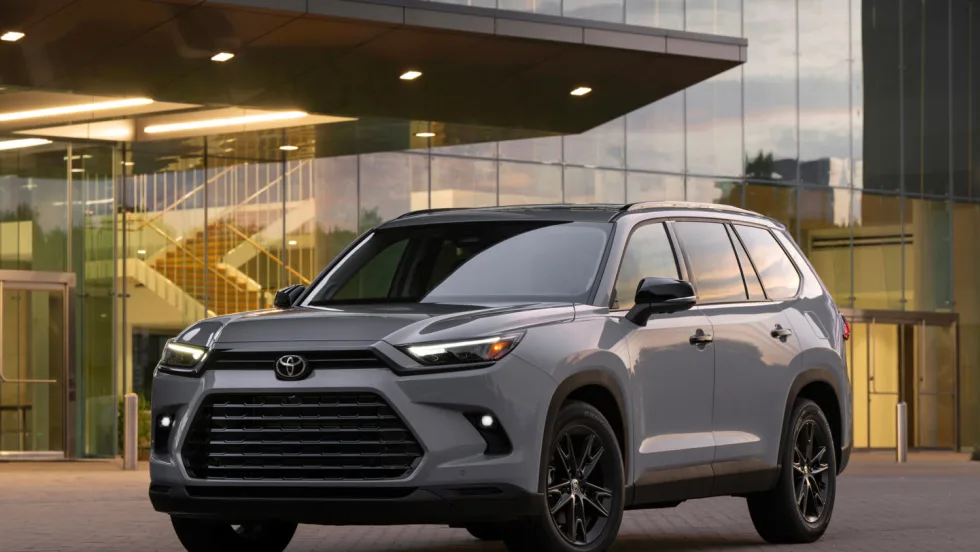
Savings Seekers Boost U.S. Automakers’ Rivals
As consumers here look for ways to curb inflation’s affect on their budgets, brands offering plenty of alternative powertrains are closing in on home-grown OEMs.
Read More →
The Slow Electric Ascent
Second-quarter data show that the electric-vehicle market in the U.S. is inching up, the majority of states seeing a month-over-month increase.
Read More →
Safer Rides & Cyberattacks
Vehicle crash testing is getting a virtual boost, but auto dealerships are facing increased cyberattacks. Learn more in this week's Dealer Debrief!
Read More →
Affordability Angst | Dealer Debrief
August saw little relief for car buyers, whether they were shopping new or used. Take a look at the month's breakdown in this week's Dealer Debrief!
Read More →