



In-Vehicle AI Predicted to Spike
Frost & Sullivan expects a $238 billion market opportunity for the technology in automobiles by 2030 as AI applications shift to more mass-market applications.


The report indicates a fundamental shift in automotive AI from a cloud-centric, luxury-focused implementation to a mass-market, in-vehicle edge execution.
Canva
A new report by growth consulting and research firm Frost & Sullivan forecasts that in-vehicle artificial intelligence will reach a $238 billion market opportunity by 2030, a sharp rise from the current $43 billion in 2025.
The report, sponsored by technology provider Sonatus, said that the findings indicate a fundamental shift in automotive AI from a cloud-centric, luxury-focused implementation to a mass-market, in-vehicle edge execution, meaning AI run locally on interior hardware. The shift results from the “convergence of centralized compute platforms, an abundance of vehicle data and consumer demand for personalization,” according to the report.
“AI at the edge is reshaping the fundamentals of the automotive industry, moving from isolated use cases to a central role in how vehicles are designed, operated, and monetized,” said Ajit Chander Swaminathan, associate partner head of mobility Americas at Frost & Sullivan.
The firm found that certain AI-driven innovations play big roles in how automakers are moving forward: prognostics, in-vehicle AI companions, battery-management systems, and sensor virtualization. It said that advancements in centralized compute platforms, over-the-air updates and adaptive, as well as personalized, intelligence are becoming essential due to rising energy costs, stricter regulation, increasing security requirements, and escalating warranty and recall expenses.
“Intelligence is the new horsepower. It’s no longer enough for vehicles to collect data; they need to act on it in real time,” said Sanjay Khatri, head of product marketing at Sonatus.
Frost predicts that the transformation will bring energy-efficiency gains, warranty cost reductions and battery depletion reduction for the automotive industry.
More Industry

Auto Dealerships Can’t Afford to Ignore the 50+ Consumer
Younger generations may be all the buzz today when it comes to product marketing targets, but their older cohorts command a sizable share of purchasing power.
Read More →
Savings Seekers Boost U.S. Automakers’ Rivals
As consumers here look for ways to curb inflation’s affect on their budgets, brands offering plenty of alternative powertrains are closing in on home-grown OEMs.
Read More →
The Slow Electric Ascent
Second-quarter data show that the electric-vehicle market in the U.S. is inching up, the majority of states seeing a month-over-month increase.
Read More →
Safer Rides & Cyberattacks
Vehicle crash testing is getting a virtual boost, but auto dealerships are facing increased cyberattacks. Learn more in this week's Dealer Debrief!
Read More →
Affordability Angst | Dealer Debrief
August saw little relief for car buyers, whether they were shopping new or used. Take a look at the month's breakdown in this week's Dealer Debrief!
Read More →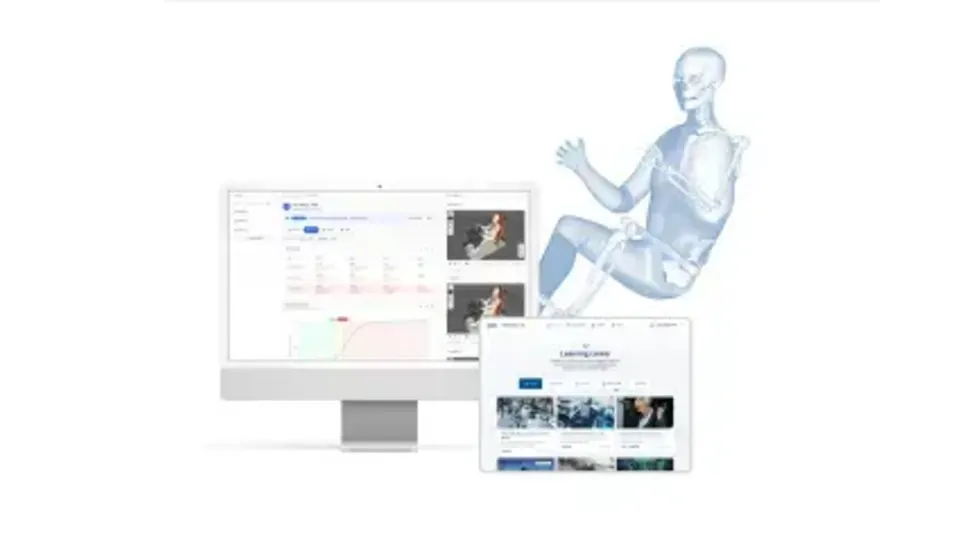
Virtual Crash Testing in the Works
A company's platform works alongside physical crash testing to gather insights into occupant response and injury mechanisms, with the idea of helping automakers develop safer vehicles.
Read More →
Tariff Tiff Examined
Some auto industry leaders are taking a relaxed view of the U.S.-Canada trade war while others worry that a dramatically adjusted playing field could mean too much collateral damage.
Read More →
EV Consideration Climbs
Despite the loss of federal EV incentives, interest has grown in the U.S., largely thanks to charging infrastructure improvements.
Read More →
August Auto Angst
The hot month brought hot-to-the-touch vehicle prices in the U.S. as consumers dived for more affordable models but found higher price tags to go with them.
Read More →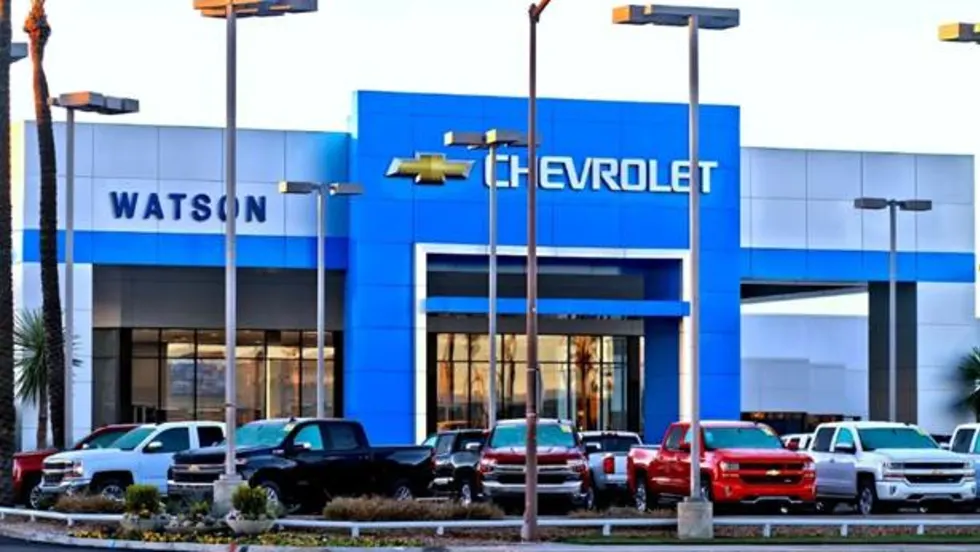
Arizona Stores in New Hands
The two franchises bring continued growth for a homegrown automotive group in its third generation of family ownership.
Read More →