



5 Steps to Bring Your Dealer Website Up to Code
Whip your website into shape with this rundown of five mission-critical performance standards and personalization tools every dealer needs to compete on any platform.

Dealer websites that fail to personalize the buying experience or deliver accurate information — including pricing — may need an overhaul to catch up to today’s car shoppers.
Photo by MichaelGaida via Pixabay
Your website has become a critical point of contact with car buyers. Cox Automotive data shows consumers spent 61% of their entire car-buying process online last year. That’s an average of 8.7 hours perusing automotive websites, all before ever stepping foot on your lot.
In this new era, your website should be more than a static placeholder that shows a business location, contact information, and inventory for purchase. It must engage each customer in a unique and meaningful way. It should connect with the customer early in the process, help them find the vehicles and financing that best meet their needs, and serve as an extension of your showroom that brings customers closer to a purchase decision when they do visit the dealership.
Here is your five-point checklist:
1. Put Mobile First.
Our data shows that fully half of dealer website traffic came through mobile devices in 2018. A mobile-first approach reflects the reality that consumers are increasingly using their smartphones and tablets for car shopping. Be sure you have the flexibility to customize your site for different platforms without sacrificing speed, search ranking, or, most importantly, user experience.
2. Adopt a Performance-Based Design.
Performance-based websites listen to the behavior of the consumer and adapt accordingly by serving personalized content and inventory. Just like when a shopper walks into the physical storefront and receives a unique experience based on their needs, the site should discover the shopper’s intent and respond accordingly.
This occurs not just on the homepage but within your SRPs and VDPs as well. When personalized content is shown, we see click-through rates more than double compared with nonpersonalized content!
3. Price the Vehicle and the Deal.
Consumers don’t like showing up to a dealership only to find out the price they saw online is different than the one a salesperson shows them. A good website can properly factor incentives, car options, trade-in value, local taxes, and other fees to give consumers an accurate price estimation. Allowing consumers to calculate real payments online fosters greater trust and prepares those shoppers for their instore visit.
4. Offer Tailored Incentives.
Shoppers who find relevant incentives and specials displayed digitally are more likely to feel a sense of urgency to purchase a vehicle while those incentives still apply. Dealers should tailor these specials to consumers based on their preferred vehicle and location and rely on personalization technology to put the right offers in front of the right customers all throughout the website.
5. Build a Digital Storefront.
Highlighting your featured inventory — from the newest arrivals to the vehicles that need more eyeballs on them — is a great way to give the consumer targeted and accurate information about your inventory offerings. Most buyers don’t know the exact vehicle they want to purchase when they begin shopping. A well-designed digital storefront leverages previous shopping behavior and data to provide recommendations.
A personalized shopping experience is now a requirement for any dealer who wants to win business in the digital world. Each consumer is different, and they all take different buyer journeys. You will find a thoughtfully designed website can accommodate each individual’s car-buying needs, increasing customer satisfaction and your bottom line.
Bob George is assistant vice president at Dealer.com (div. Cox Automotive).
More Digital

TecAssured Expands Payment Capabilities
A new integration with ConnexPay is designed to give third-party administrators, agencies and dealers faster, more flexible payment options, improve efficiency and create profit opportunities.
Read More →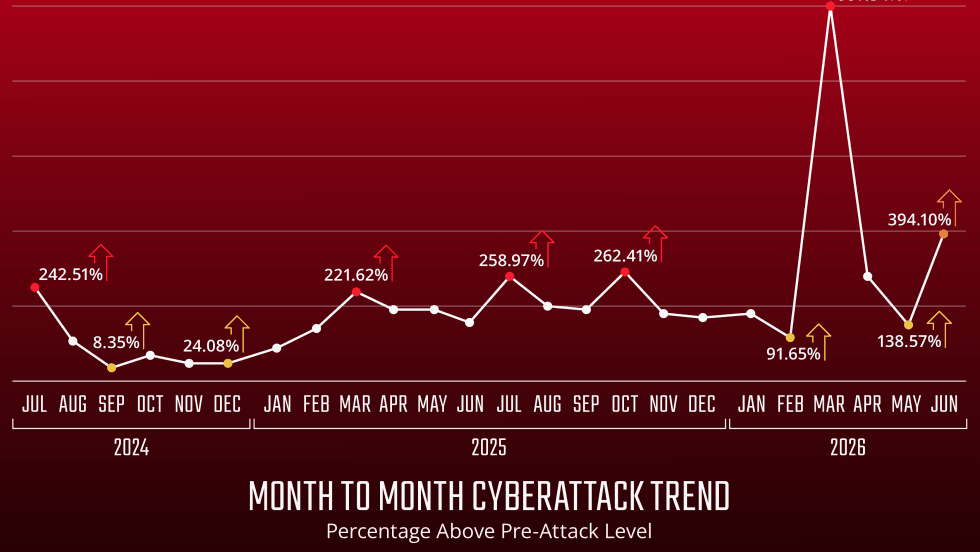
Dealerships More Frequent Cybercrook Targets
Analysis of the past year’s activity shows attacks on stores’ networks have surged dramatically as criminals leverage AI’s tools for volume and seeming legitimacy.
Read More →
Reynolds and RockEd Team Up
Via structured learning journeys and certifications, dealership personnel can get up to speed fast, a key component for success in rapidly changing retail automotive.
Read More →
Dealer Debrief: AI is Judging Your Website
In this week's debrief, host Lauren Lawrence talks about the importance of optimizing your website for AI-powered search as well as SEO.
Read More →
Your Dealership Is Being Judged by AI Search
Car shoppers are asking the tools where to buy, service and trade. The question is whether your dealership is showing up as the answer.
Read More →
Cox Automotive Tool to Streamline Dealership Workflows
The new Navigator offering is designed to work for dealers across the company's technology solutions for time savings and more.
Read More →
DAS Technology Earns Multiple Industry Honors
The company's Power AI Search was recognized for automotive artificial intelligence as .
Read More →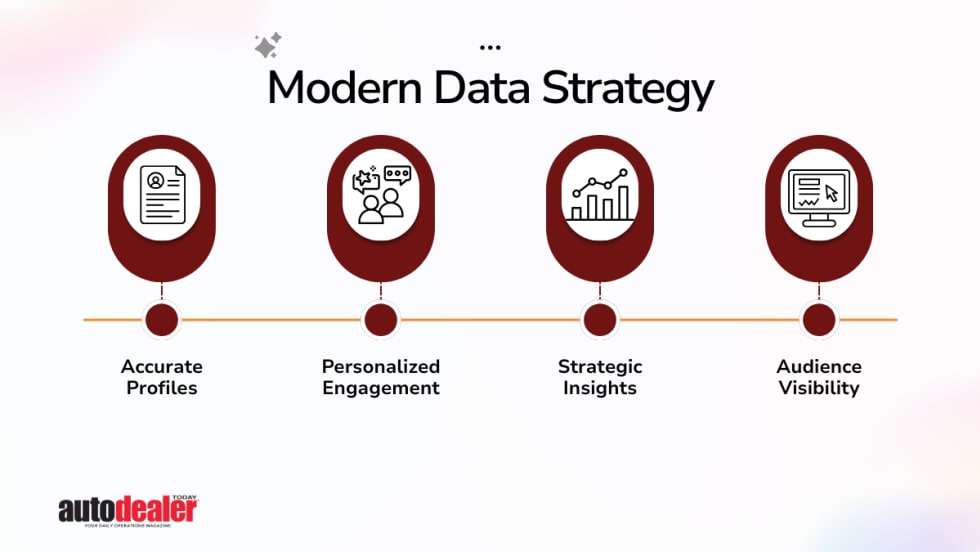
Reduce Fragmentation, Connect Customer Data
Automotive dealerships have the opportunity to reach more consumers by putting their customer data into a unified system, according to a new report.
Read More →
Dealer Debrief: Service Tech Recognition
In this week's debrief, host Lauren Lawrence covers a change to Automotive Service Professionals Month, a dealership acquisition, and a new Lexus rooftop!
Read More →
Dealer Debrief: Manufacturing Meets Demand
In this week's debrief, host Lauren Lawrence covers shifting strategies in the U.S. auto industry and how they reflect the current consumer demand.
Read More →