



Automotive Website Compliance | Automotive Websites | Todd Swickard
Dealers have a sort of love/hate relationship with compliance, especially in terms of their Web sites. Before manufacturers implemented standards for dealer sites, there was a kind of “Wild West” feel to things ...

Dealers have a sort of love/hate relationship with compliance, especially in terms of their Web sites. If you look back on the history of compliance, you’ll start to understand the reason behind it. Before manufacturers implemented standards for dealer sites, there was a kind of “Wild West” feel to things. Every dealer was off doing their own thing, often with sites that were confusing and congested, so the manufacturers stepped in and mandated compliant sites in order for dealers to receive co-op funds and OEM leads. And you know you don’t want to lose your OEM leads.
But the problem is, if every dealer’s site looks the same, what differentiates the dealer? What makes an online visitor choose to buy from them, rather than their competitor? And, for dealers who sell more than one make, a compliant site means you can only talk about one OEM. With more customers searching online for answers on where to get their car, making yourself stand out from everyone else and ensuring you’re accurately representing your available inventory is absolutely essential.
This led to dealers playing an online balancing act. Rather than just having one site – either a perfectly compliant OEM site or one that was dealer-branded, telling the story of why you should buy from them – they decided to do both, but while this helps solve some problems, it actually can create more compliance work than before. After all, your online presence is now divided between two or more sites (more if you sell more than one make), and there are still compliance issues that need to be maintained on every site.
So what should a dealer do? Here are a few tips for staying compliant and selling more:
1. Keep a healthy respect for the OEM brand markers, specifically logos. This is vital. If you misuse a logo, manufacturers will shut your site down. The best rule of thumb is to use logos sparingly on dealer-branded sites. That way, you’re less likely to call down the thunder.
2. On that same note, make sure that any time someone uses your logo or creates a banner ad or link, it represents both your brand and the OEM well. Visitors need to feel good about the manufacturer, as well as your brand, in order to buy from you, and you don’t want some cheap banner ad or a poorly executed link to destroy what you’ve built.
3. Maintain a healthy balance in the support time that you give to your dealer-branded site versus your OEM site. Since each generates leads, they each deserve your support. Some key things to remember:
• Both sites need to have current information. A lot of dealers tend to forget to update the OEM site once it’s up and just focus on their brand site, but visitors will be entering your sites from multiple points, so you want to ensure they always are left with a good impression of your brand. That means you’ll need to take care of both sites so that they look good and function well.
• Both sites need to list all of your used inventory. After all, does it really matter which of the two sites the visitor finds the car of their choice on? Not at all, so long as they decide to purchase it.
• While you’ll want to conduct SEO work for both sites, you should actually put an SEO effort emphasis on one domain over the other. By focusing the bulk of the efforts on one site, your overall SEO plan can work harder for you. Just be sure that you’ve got links between the two sites.
• As the Internet evolves, you may end up with more than just an OEM site and a brand site. Microsites, promotional pages and social media sites are going to mean increased efforts online, which also means more pitfalls. You’ll need to expend a consistent level of effort for each online presence you maintain to ensure the positive brand experience at each touch point.
4. Be sure you’re tracking effectively. That means you’re going to want different, trackable phone numbers for each site. The numbers can ring to the same place, but depending on which one is used, you’ll know which site inspired the call to your dealership. This will help you gauge what’s working and what’s not.
One last piece of advice: To maximize your co-op dollars, you’ll want to put forth the effort to make your OEM work as hard for you as possible. As painful as this sounds, reading the co-op and compliance manuals can really help with this. There may be hidden gems on how to market, where to market, and how to increase leads and maximize your co-op dollars.
Vol. 6 Issue 8
More Digital
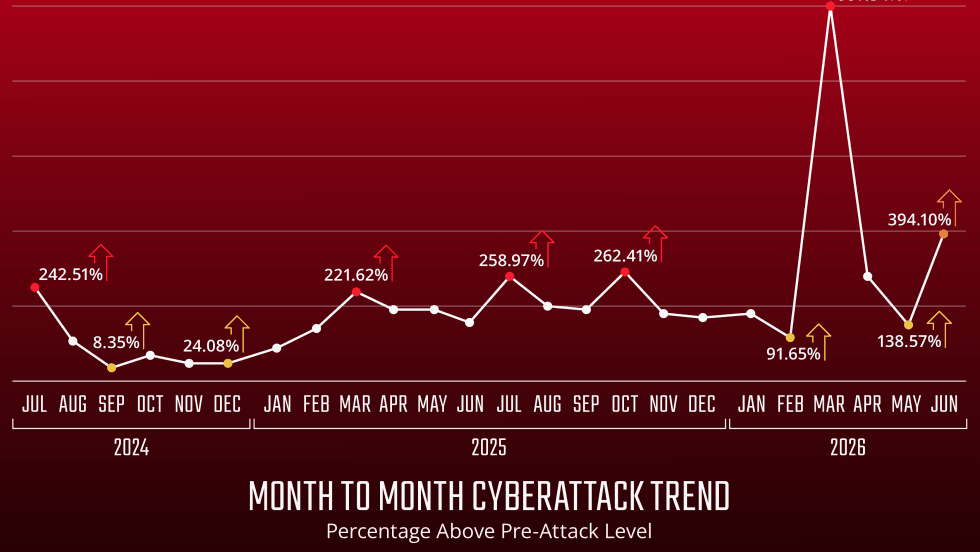
Dealerships More Frequent Cybercrook Targets
Analysis of the past year’s activity shows attacks on stores’ networks have surged dramatically as criminals leverage AI’s tools for volume and seeming legitimacy.
Read More →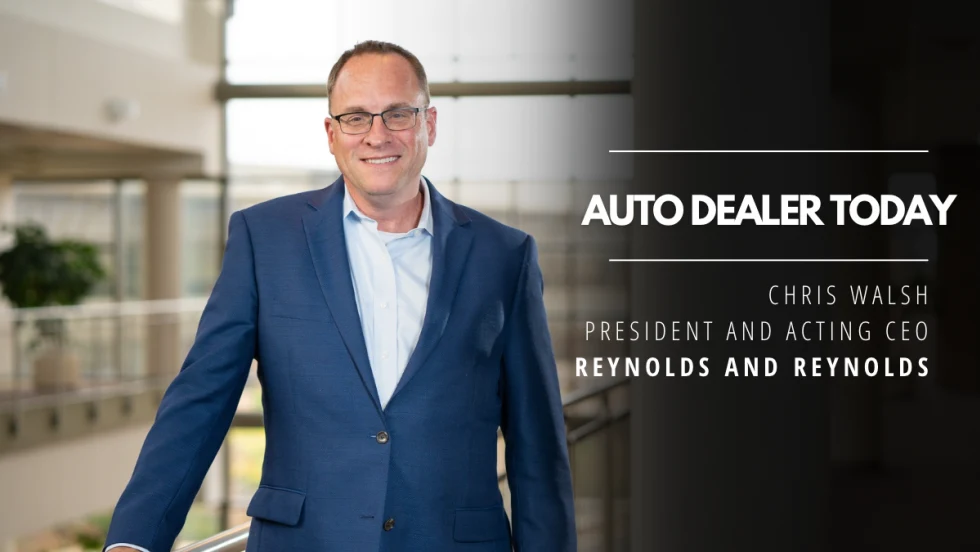
Reynolds and RockEd Team Up
Via structured learning journeys and certifications, dealership personnel can get up to speed fast, a key component for success in rapidly changing retail automotive.
Read More →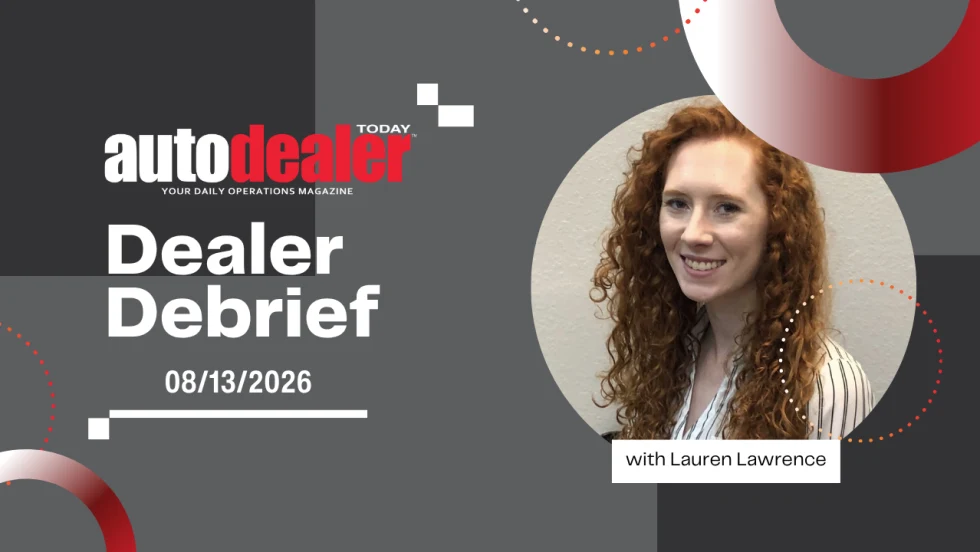
Dealer Debrief: AI is Judging Your Website
In this week's debrief, host Lauren Lawrence talks about the importance of optimizing your website for AI-powered search as well as SEO.
Read More →
Your Dealership Is Being Judged by AI Search
Car shoppers are asking the tools where to buy, service and trade. The question is whether your dealership is showing up as the answer.
Read More →
Cox Automotive Tool to Streamline Dealership Workflows
The new Navigator offering is designed to work for dealers across the company's technology solutions for time savings and more.
Read More →
DAS Technology Earns Multiple Industry Honors
The company's Power AI Search was recognized for automotive artificial intelligence as .
Read More →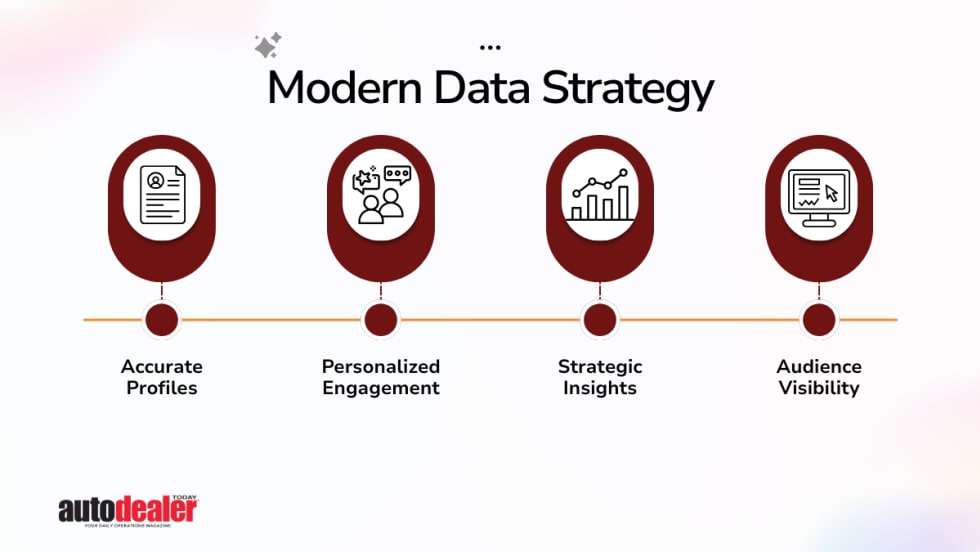
Reduce Fragmentation, Connect Customer Data
Automotive dealerships have the opportunity to reach more consumers by putting their customer data into a unified system, according to a new report.
Read More →
Dealer Debrief: Service Tech Recognition
In this week's debrief, host Lauren Lawrence covers a change to Automotive Service Professionals Month, a dealership acquisition, and a new Lexus rooftop!
Read More →
Dealer Debrief: Manufacturing Meets Demand
In this week's debrief, host Lauren Lawrence covers shifting strategies in the U.S. auto industry and how they reflect the current consumer demand.
Read More →
Trust of Autonomous Cars Not Automatic
A poll of U.S. consumers finds more awareness of the technology but no movement when it comes to relying on it for transportation.
Read More →