



Does Your Website Adapt?
The rapid growth of mobile browsing makes a mobile/tablet presence required for dealers, but the continuous addition of new devices to the market can make it difficult for dealers to keep up. George Nenni explains how adaptive website design can help.

Adaptive Website Design Eliminates Mobile Worries
Recently, it seems nearly every dealer either wants or already has a mobile or tablet version of their website. Who wouldn’t? Mobile devices are a daily necessity, seen in stores, at work, at the soccer field and (unfortunately) while driving in cars. Everyone seems to have their face buried in a smartphone.
The rapid growth of mobile browsing makes a mobile/tablet presence required for dealers. There are 5.9 billion mobile subscribers globally, or 87 percent of the world’s population, according to the mobiThinking article, “Global Mobile Statistics 2012.” Even as mobile device sales have risen year over year, the smartphone still maintains the highest growth rate. Perhaps more astonishing is the number of mobile Web users, 1.2 billion worldwide. This only reinforces the necessity of having both a mobile and a tablet website presence.
Currently, dealers provide one design for the iPhone and another for the iPad, BlackBerry, Kindle or Nook. In the next three to five years, dealers will need additional designs as even more mobile and tablet technologies are developed.
The onslaught of new devices, screen sizes and resolutions has dealers, website designers and developers struggling to keep up. Building a unique website version for each device and screen resolution is not practical or cost effective. So, what’s a good compromise for both the dealerships and designers involved?
What if website designers could focus on building one website that automatically adjusts size, images and content based on the browsing device? What if dealers never had to worry about the next new device for website browsing? The answer is adaptive website design. Adaptive websites automatically adjust screen resolution, size, menus and images, while simultaneously altering the content structure for each mobile device. You no longer need to worry, “Does this work on the new iPad, iPhone, etc.?” When websites are built with adaptive technology, the screen resolution does not limit content, whether using a jumbo flat screen or the smallest smartphone. The website simply adapts to the new device directly.
The concept of adapting images and screen size is pretty straightforward and commonly referred to as “responsive design.” Changing the content and what can be viewed on various devices makes the site adaptive. When creating an adaptive website, be sure to give some thought to alterations on the site’s menu structure. Pulling all of the available content from a large desktop screen onto a smaller mobile screen is rarely the best answer.
For mobile environments, users want simplified navigation with focused content displayed through lists or rows instead of multiple columns. For automotive dealers, this may mean foregoing the sales team pictures in favor of mapping functionality. Mobile site adaptation avoids lengthy contact forms and opts for click-to-call functions. Think about which functions are most important to a mobile user, so that when the website adapts, the right menu and content decisions are made. If your provider offers adaptive websites, they can give you guidance and recommendations here.
Choosing the adaptive approach for your dealer website means no longer worrying about today’s or tomorrow’s devices. Develop a single website design and know that consistent content will be delivered to users regardless of the device they’ve chosen. Best of all, the experience can still be customized to tailor to the needs of the mobile versus home-based shopper.
The easiest way to understand adaptive websites is to experience them firsthand. A great example can be found at: ThinkVitamin.com.
At first glance, adaptive websites far surpass their predecessors. They not only improve the online consumer experience, but they are also much easier for the dealer to install and maintain. In the future, adaptive websites will be prominent in the automotive industry, so encourage your website provider to make you among the first. Say goodbye to worries over tablet or mobile shoppers, and focus on selling cars!
Online Exclusive
More Digital

TecAssured Expands Payment Capabilities
A new integration with ConnexPay is designed to give third-party administrators, agencies and dealers faster, more flexible payment options, improve efficiency and create profit opportunities.
Read More →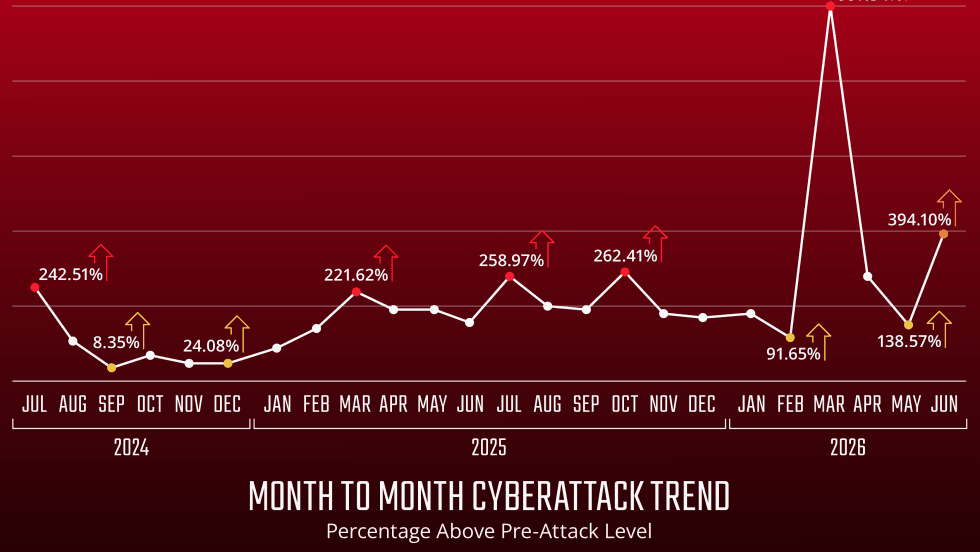
Dealerships More Frequent Cybercrook Targets
Analysis of the past year’s activity shows attacks on stores’ networks have surged dramatically as criminals leverage AI’s tools for volume and seeming legitimacy.
Read More →
Reynolds and RockEd Team Up
Via structured learning journeys and certifications, dealership personnel can get up to speed fast, a key component for success in rapidly changing retail automotive.
Read More →
Dealer Debrief: AI is Judging Your Website
In this week's debrief, host Lauren Lawrence talks about the importance of optimizing your website for AI-powered search as well as SEO.
Read More →
Your Dealership Is Being Judged by AI Search
Car shoppers are asking the tools where to buy, service and trade. The question is whether your dealership is showing up as the answer.
Read More →
Cox Automotive Tool to Streamline Dealership Workflows
The new Navigator offering is designed to work for dealers across the company's technology solutions for time savings and more.
Read More →
DAS Technology Earns Multiple Industry Honors
The company's Power AI Search was recognized for automotive artificial intelligence as .
Read More →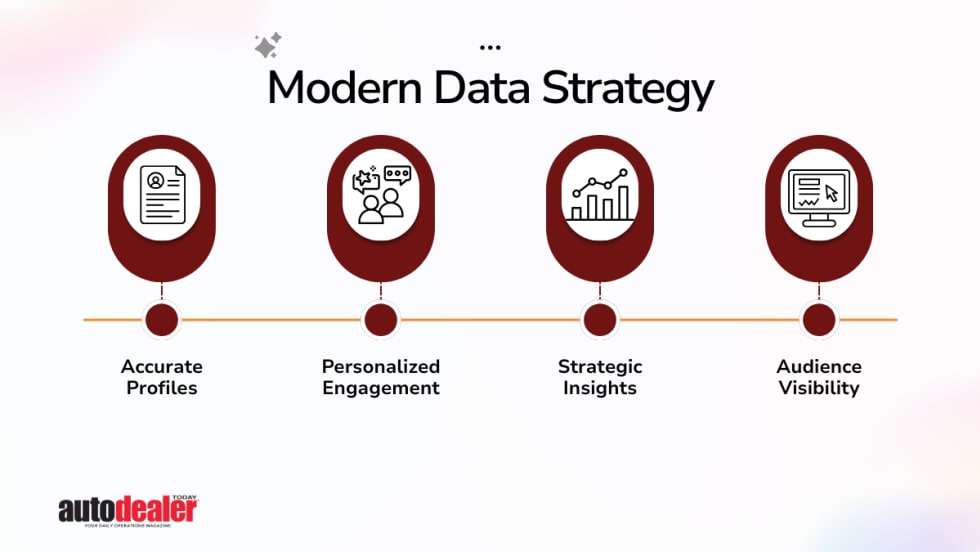
Reduce Fragmentation, Connect Customer Data
Automotive dealerships have the opportunity to reach more consumers by putting their customer data into a unified system, according to a new report.
Read More →
Dealer Debrief: Service Tech Recognition
In this week's debrief, host Lauren Lawrence covers a change to Automotive Service Professionals Month, a dealership acquisition, and a new Lexus rooftop!
Read More →
Dealer Debrief: Manufacturing Meets Demand
In this week's debrief, host Lauren Lawrence covers shifting strategies in the U.S. auto industry and how they reflect the current consumer demand.
Read More →