



Don't Sell It If You Haven't Read It
Thomas B. Hudson, Esq. - Just as any good car salesperson will know the mechanical and performance specifications of the vehicles, the salesperson should know the characteristics, terms and conditions of the financing, leasing and related services.

When we advise dealers about ways that they can implement an affordable, practical compliance program for their dealerships, one of the things we suggest is that everyone who deals with customers should read every document that might be presented to customers during the course of a sale or lease transaction.
Why do we think that’s a good idea?
A couple of reasons come to mind. First, there is the educational aspect of having your representatives knowledgeable about the terms and conditions of the transactions that your dealership is entering into. Just as any good car salesperson will know the mechanical and performance specifications of the vehicles, the salesperson should know the characteristics, terms and conditions of the financing, leasing and related services. A salesperson or F&I manager with a firm grasp of the details of the documents that a customer is asked to sign will come across to the customer as more knowledgeable than one who doesn’t have a clue.
The second reason that your people should understand all the documents that your dealership uses involves your dealership’s liability. A dealer representative who does not know, for instance, about a customer’s potential liability for the early termination of a lease might well tell the customer that he or she can terminate at any time without penalty. That simply isn’t true for most leases, and if your representatives make such statements, those statements could form the basis for a consumer lawsuit alleging unfair or deceptive trade practices or even fraud.
Other examples are not hard to find.
We have seen misstatements by dealer personnel who did not know the difference between pre-computed retail installment sales contracts and interest-bearing (or “simple interest”) contracts, and who have given customers bad information about the effects of prepayment.
In other cases, we have seen lawsuits that allege that dealer personnel actually told customers that they were buying cars when, in fact, they were leasing them. Now, it’s more than likely that someone who makes a statement that far off the mark is intentionally trying to mislead the customer, but I’ve been at this long enough to suspect that there are some dealership personnel who think that leasing is just an alternative form of financing (and, my colleague who conducts compliance reviews of dealerships tells me that she has seen this misunderstanding first-hand). That’s a mistake that employees probably wouldn’t make if, as part of their training, they had actually had to sit down and read a lease and a retail installment sale contract side-by-side from start to finish.
So, require everyone who deals with your customers to read all of the customer documents that your dealership uses—the retail installment contracts, the leases, the buyers order, the agreement to provide insurance, the arbitration agreement, the GAP agreement, the credit life and accident forms, the “etch” agreement, the “we owe” form, etc.—in short, every single document a customer could see.
If you are really smart, you will even test your employees on how well they understand what they are selling and you will require them to undertake this process not just once, but periodically.
Your employees will learn a lot from this exercise, and you’ll gain a smarter workforce and reduced liability. With any luck, your staff will pick up on some of those typos, incorrect cross-references and inconsistent provisions that we see every time we review these forms.
Vol 5, Issue 7
More Dealer Ops
How to Avoid Phone Scams | Dealer Debrief 09/10/2026
Are you taking the necessary steps to protect your dealership and customer data from phone-based scams? This week's Dealer Debrief breaks down how!
Read More →
Dealer Debrief: August Auto Sales
Gas-powered engines still dominate the U.S. vehicle market, but hybrids are gaining ground as consumers look for ways to cut their gas costs.
Read More →
Dealership Profits Decline
While new and used retail sales stagnated, dealerships have been particularly supported by fixed operations and finance-and-insurance profits, according to a new report.
Read More →
Dealer Debrief: Defection Data & EV Updates
In this week's debrief, host Lauren Lawrence discusses how to use defection data to your advantage and the latest on EV sales and charging infrastructure.
Read More →
How Defection Data is Bridging the Dealership Conversion Gap
Lead volume is flat, cross-shopping is up and brand loyalty is in retreat. As confident sales teams keep losing buyers they thought they had, daily industry sales data is showing dealers exactly where their funnel is breaking and how to fix it without buying a single new lead.
Read More →
Dealer Debrief: Where are you losing customers?
In this week's debrief, host Lauren Lawrence discusses the hidden leaks in dealerships where you might be losing customers without even realizing it.
Read More →
Dealer Debrief: Improving Your Inventory Management
In this week's debrief, host Lauren Lawrence covers a new survey that shows what service technicians really want and two launches that could help improve your inventory and vehicle life cycle management.
Read More →
Ladies and Gentlemen, This Is a Dealership: Why the Fundamentals Still Decide Who Wins
A teaching moment by a legendary football coach happens to apply perfectly in the auto retail space. Learn what it is and how to use it to your store’s advantage.
Read More →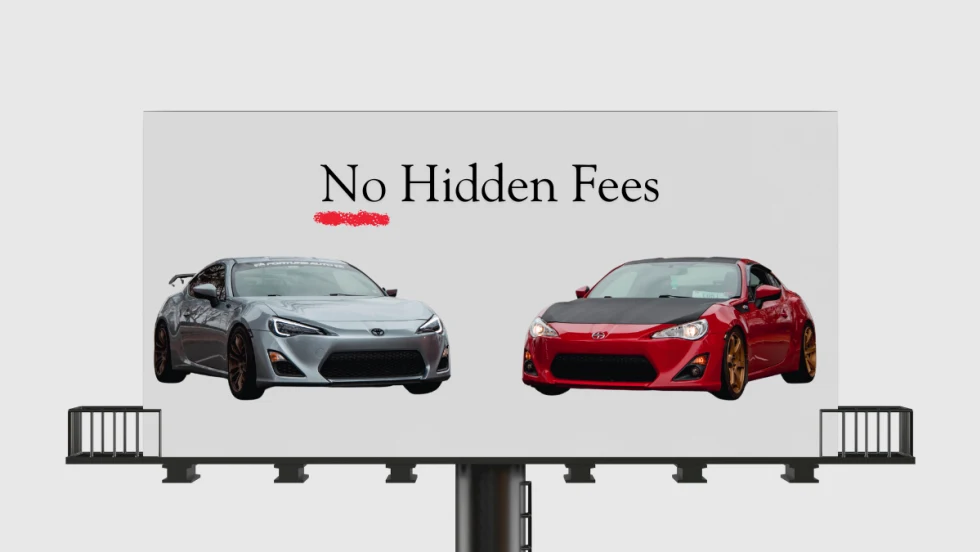
Dealer Ads and the FTC
The agency has made it clear in recent enforcement actions and warnings, in auto retail and other industries, that advertised prices must include all nonoptional costs to the consumer.
Read More →
Used Autos Supply Dwindles
The March shopping surge, despite high prices, cut into inventory by the most since the thick of the pandemic, Cox Automotive analysts calculated.
Read More →