



Downstream Repercussions from Inventory Shortages
Hopefully, supply chain issues will resolve sooner rather than later, but until they do, dealers can take the time to prepare for some inevitable downstream repercussions.

Hopefully, supply chain issues will resolve sooner rather than later, but until they do, dealers can take the time to prepare for some inevitable downstream repercussions.
IMAGE: Getty Images
Looking ahead, it’s difficult to know when inventory levels will normalize. For now, dealers have figured out a short-term profit model that works — high margins on new and used vehicles, combined with increased F&I per vehicle retail (PVR) and product penetration rates.
As inventory levels normalize, there may be some downstream repercussions to deal with from this model. Dealers who take the time now to reflect on what the next “new normal” will look like will be in a better position to profit when that scenario arrives. Here are a few potential downstream issues.
Impact on Service Business
With fewer new cars to sell, dealerships are losing an automatic pipeline of service revenue from new vehicle customers. Over the next several years, this could have a negative impact on service revenue. Additionally, a rise in EV sales and the production of higher-quality vehicles needing less frequent maintenance will lead to longer service intervals. These trends will make it challenging for dealers to achieve service revenue projections.
To address this challenge, dealers need to focus on service marketing — attracting new customers and retaining existing service customers. Also, remember that service retention starts in the F&I department, where the strategy should be to sell service and maintenance products that keep the customer coming back to the dealership.
Vehicle Affordability
For many years, consumers have been used to factory incentives that improve vehicle affordability, such as no money down, rebates, cash back, and special APRs. With demand for vehicles now outpacing supply, auto manufacturers will no longer discount new vehicle prices in 2022. Additionally, vehicles are getting more expensive to build, which will continue the upward pressure on pricing. This will lead to affordability issues for many consumers, as average monthly payment estimates increase hundreds of dollars. In October 2021, average transaction prices for new vehicles in the U.S. hit a record $46,036, according to Kelley Blue Book.
In the F&I department, a renewed focus should be on helping customers explore financing options and on service contracts that protect them against the high cost of service repairs. Higher payments are bad enough without having to worry about shelling out additional cash for unexpected repairs.
Industry Consolidation
I don’t know if you can blame the pandemic, inventory shortages, or other factors, but many individual stores and smaller groups are exiting the business. Large dealer groups are actively acquiring.
With scale comes economy and an improved ability to build long-term relationships with customers that are traditionally lost to brand defection. One of the main reasons that customers defect is because they want a different brand, so larger groups have a unique advantage because they can identify potential defectors and refer them to sister stores, thereby retaining them as customers.
In the F&I department, multi-brand groups have another advantage. When a customer buys a pre-owned Honda at a Toyota store, it is not likely that customer will bring their vehicle back for service. So, why not have the Toyota store sell the customer a service contract for their sister Honda store? The ability to cross-sell among stores further solidifies the customer relationship and helps retention.
When dealer groups learn to effectively sell to and service entire households over multiple transactions, the fundamental economic unit will shift from store profitability and individual transactions, to customer profitability and a focus on customer lifetime value.
Hopefully, supply chain issues will resolve sooner rather than later. Until they do, dealers can take the time to prepare for some inevitable downstream repercussions.
Scot Eisenfelder took the role of CEO of APCO Holdings in 2021, after joining the team in 2020 as senior vice president of strategy and planning to help grow the company in an increasingly digital and competitive auto retail environment. He brings a rich background in the automotive industry and an expertise in selling products and services to the retail market.
More Fixed Ops
The Fixed Ops Blind Spot | Dealer Debrief
Customer-pay repair orders only make up about 5% of a service department’s repair orders. Is your dealership missing out on this profitable service?
Read More →
The Fixed Ops Blind Spot
Customer-pay repair orders are profitability drivers for service departments, but many dealerships don't know how much of their business goes to them.
Read More →
ASE Invites Service Centers to Benchmark Performance
ASE Connects is gathering the data for its quarterly service snapshot report, which provides a comparison of service drives across the country.
Read More →
More Cars Recalled in First Half
The six months that kicked off the year saw an extended surge of the number of vehicles recalled, electrical issues leading the way again.
Read More →
California Dealer Group Foundation Partners With ASE
CNCDA Foundation and ASE Connects collaboration is intended to build California's automotive technician workforce.
Read More →
Dealer Debrief: Fixed-Ops Opportunities
In this week's debrief, host Lauren Lawrence discusses maximizing your dealership's profitability with a focus on fixed operations.
Read More →
Dealer Debrief: Technician Apprenticeships
In this week's debrief, host Lauren Lawrence discusses a new grant for service tech apprenticeships and more industry workforce news.
Read More →
ASE Acquires WrenchWay
The auto technician certification nonprofit said the deal expands its role in workforce-development and support for current and future service professionals.
Read More →
TraXtion Introduces TireSpec Website Solution
The company says the offering enables consumers to snap a photo of their tire with a smartphone and receive an instant replacement quote, capturing 90% of tire shoppers who start their shopping online.
Read More →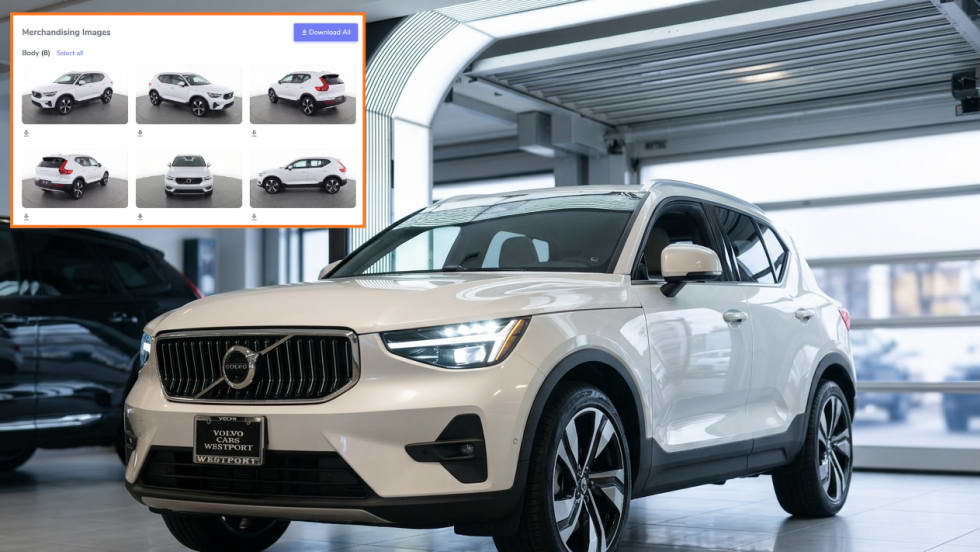
UVeye Launches Same-Day Vehicle Listings for Car Dealers
New 'Scan to Sold' offering turns the service lane into a website-ready merchandising photo booth designed to help dealerships reduce turnaround time from days to minutes.
Read More →