From Coverage to Evacuation: How to Protect Your Business in a Disaster
Auto dealers, fleet managers and other vehicle-based business operators must protect themselves, their people and assets when natural disasters strike. An insurance expert explains how to create a response plan you can rely on.
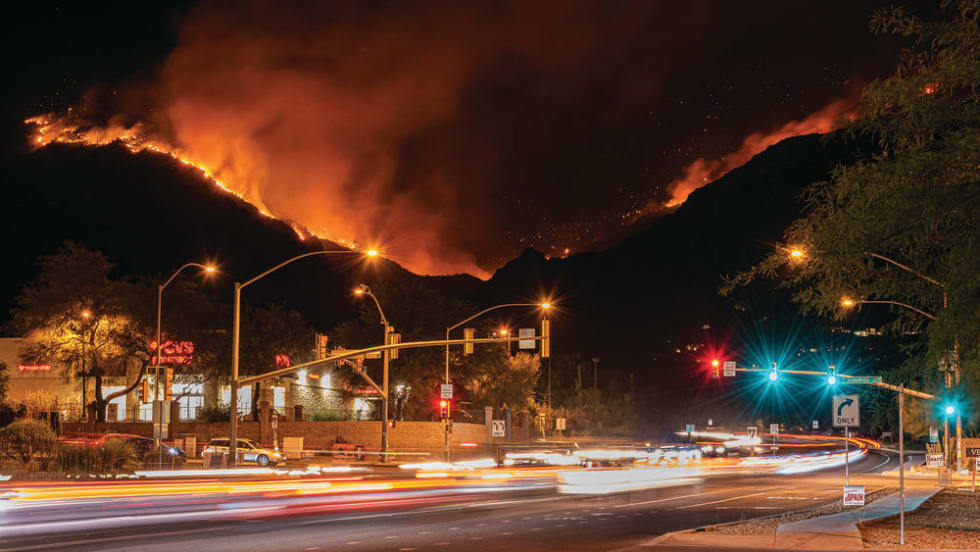
An insurance expert advises that 'it’s always a good idea to be able to have something in writing you can go back to when the chaos starts.'
Credit:
Pixabay/Canislupus
6 min to read
If you get the sense that severe weather events are becoming increasingly frequent, you’re right.
From 1980 to 2024, the National Oceanic and Atmospheric Administration’s National Centers for Environmental Information tracked severe weather and climate events resulting in damages and costs of at least $1 billion. In the 1980s, there were 33 such events. In the 2010s, there were 131. In 2024 alone, there were 27.
Ad Loading...
The scientific consensus blames two factors: The first is hotter air and oceans that are fueling heavier rainfall and stronger hurricanes. Second is a growing population building more homes and businesses, within and outside of danger zones.
As senior director of sales for Ally Dealership Insurance, Tayisha Beard, works directly with automotive dealers to ensure they have the coverage they need. But she and her team go a few steps further.
They offer recommendations to help dealers craft an emergency response plan. They also monitor weather conditions nationwide so they can alert dealers whose personnel and inventories may be at risk.
“When something like that happens, sometimes you’re prepared, and sometimes you’re not,” Beard says. “And it’s always a good idea to be able to have something in writing you can go back to when the chaos starts.”
The Coverage Is in Your DNA
Born, raised and based in Gonzales, La., 45 minutes west of New Orleans, Beard is no stranger to bad weather, and she knows how dealerships work.
Ad Loading...
“I was on the retail side of the business for eight years, and in a state where the risk is pretty high in terms of hail, in terms of flooding, in terms of hurricanes and so many other things,” she says.
Severe weather has forced dealers to prioritize and rethink insurance. Ally starts with a structured process called a Dealer Needs Analysis.
“We say we want to know your DNA, and that DNA comes with determining the type of risk they have,” Beard says. Personnel and inventory are first on the list, but dealerships also are filled with computers, furniture, equipment and auto parts, among other property. It all has to be accounted for.
DNA also depends on location. Dealers are at greater risk in areas prone to tornadoes, earthquakes or flash flooding. Auto groups that operate in multiple states and regions may have policies that vary greatly from store to store.
And of course the dealer’s DNA changes when he or she acquires or sells stores and franchises, experiences inventory surpluses and shortages, or sees property values change. Highline dealers whose vehicles are worth an average of $200,000 have far more exposure than mass-market franchisees.
Ad Loading...
“A dealer’s policy is going to expire every year. They need to review the policy with the same limits and coverages or pause for a second and say, ‘Hey, everything may not be the same as last year,’” Beard says.
We Have a Plan
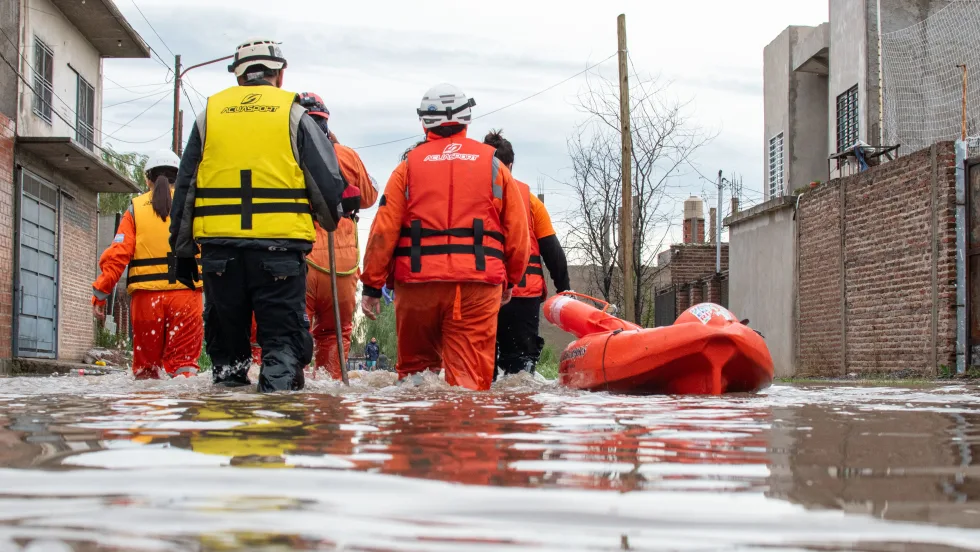
It's a good idea for dealers to keep abreast of weather activity, particularly in severe storm seasons, when catastrophic flooding can happen rapidly.
Credit:
Pixabay/Pexels
A well-designed emergency response plan provides structure during chaos. It should include specific roles for individual team members, starting with the boss. And the plan should say who will handle their responsibilities when the dealer or general manager is away.
Employee and customer safety is paramount. Under which circumstances will the dealership close its doors, and how will that decision be communicated? That all must be determined well ahead of time. And everyone who is privy to the plan must have access to it, even if they can’t leave home.
Beard recommends establishing and testing remote systems access and working with a cybersecurity provider to ensure those connections and the dealership’s valuable data are protected. One objective of an emergency-response plan is to put the business in position to reopen once it is safe to do so.
But the main objective is to reduce risk. Dealers need a way to move some or all of their vehicles to higher ground or into storage. As part of the DNA process, Beard asks dealers if they have an inventory evacuation plan.
Ad Loading...
“And if a dealer says yes, we say, ‘That’s wonderful. You’re ahead of the game. Can we see that so we can evaluate it?’”
Beard then works with Ally’s loss-prevention specialists to offer recommendations based on the dealer’s insights, everything else they’ve learned, and everything they know from past experience.
“It’s a win-win, because we’re helping each other to be proactive,” she says. “We do understand that claims are going to happen. It’s inevitable. But we can try to reduce the frequency and severity of the claims.”
Advice for Fleet Managers
Like dealerships, no two fleets are exactly alike, and vehicles tend to be the operator’s most valuable asset. Unlike dealerships, fleets may be spread over great distances, and many fleet vehicles go home with their drivers.
Beard would urge any fleet manager who doesn’t have an emergency-response plan to craft one without delay. Drivers and office staff should know what to expect when severe weather or a natural disaster strikes — what to do, where to go, whom to contact.
Ad Loading...
With sufficient warning and the right processes in place, fleet managers may be able to evacuate or relocate their drivers and vehicles and to ultimately get back to work.
“At some point, you have to protect what’s yours,” she says. “You have to protect your business.”
Preparation Paid Off
Beard hopes dealers see the DNA and emergency response planning processes as constructive, collaborative and creative, as she does.
“We want to help you in all things, from the beginning of your dealership to the end of it, from the start of the sale to protecting the assets. There’s a part of Ally that touches every part of the dealership, and I think that’s what makes us special.”
Beard says Ally Insurance President Russ Walsh, recently remarked that it’s “amazing” how often he watches the Weather Channel. He was only half-joking. As storms grow more frequent and intense, its team is learning a lot about meteorology. It’s all part of the job of managing risk for their dealer clients and themselves.
Ad Loading...
“We want to help car dealers, and if I can provide that additional support to a dealer, then I’m happy about that, because we’re delivering on our value proposition. And if I can help to avoid a potential claim, that makes me happy as an insurance company, right?”
Beard recalls a case when a coastal dealer’s quick action saved the day. Her team flagged a “pretty bad” rainstorm they were concerned could cause flooding. She called the dealer to ask if he’d heard the weather reports and urged him to implement his inventory evacuation plan.
The dealer had seen the news. He had not been overly concerned. But he listened.
“And sure enough, there was a flood, and dealers in the area who did not relocate their inventory lost a lot of their business,” Beard says. “It was just a perfect example of having a plan in place and following it.”
What Is Dealership Insurance?
The core components of dealership insurance include:
· Dealer open lot to cover inventoried vehicles against theft and damage from weather, vandalism and collisions
· Garage-keepers for vehicles that do not belong to the dealer, including customer vehicles in service or storage
· Workers’ compensation insurance for on-the-job injuries
· General liability for personal injuries and property damage not involving an employee
· False pretense to cover losses from fraudulent transactions
· Errors and omissions for financial harm to customers due to mistakes made in the documentation process
When to File an Insurance Claim
Dealers who are struck by severe weather or a natural disaster for the first time may wonder whether they should wait until they can fully assess the damage before contacting their insurer and filing a claim.
“The answer is, you file if you know that your dealership was impacted,” says Tayisha Beard of Ally Dealership Insurance. “We would love to get more information when you are able to assess.”
Filing without delay allows the insurance provider to start the adjudication process, and the claim can always be amended. Dealers are often eager to get back to campus, document the destruction, and, when possible, secure inventory and mitigate further losses.
But Beard tells clients to return only when it is safe to do so. “We don’t want you driving through flood waters to go and send us pictures.”
From wildfires to hurricanes, auto dealers take action to provide financial support and emergency services to first responders, employees, and their communities.