



Ka-Boom
Thomas B. Hudson - I was conducting an on-site dealership compliance audit of a buy here pay here store, looking over the dealership’s sales and F&I process from A to Z in an effort to decrease the dealership’s potential liability for violations of state and federal law. It’s a good thing that it was only lil’ ole me probing this dealership’s operation. If, instead, an FTC SWAT team had descended on the car lot, the dealer would be out of business ...

Giving the FTC Enough Ammunition to Blow Up Your Dealership
I couldn’t get the image out of my head. I had imagined a fellow lost inside an ammunition factory. The lights had gone out, and he was striking matches to try to find the door.
I was conducting an on-site dealership compliance audit of a buy here pay here store, looking over the dealership’s sales and F&I process from A to Z in an effort to decrease the dealership’s potential liability for violations of state and federal law. It’s a good thing that it was only lil’ ole me probing this dealership’s operation. If, instead, an FTC SWAT team had descended on the car lot, the dealer would be out of business.
What was so wrong with this dealer’s operations, you ask? Let me give you a few examples.
There were perhaps 50 used cars on the lot. Three were displayed for sale without the required FTC Used Car Buyers Guides. If I’d been the boss of an FTC inspection team, I’d have written the dealer up for three violations, at up to $16,000 per violation—a cool “up to” $48,000 penalty.
Looking over the inside of the dealership, I saw customer files containing personal information protected by federal privacy laws and regulations that were not under lock and key or otherwise protected from prying eyes. More fines.
The dealership’s buyer’s order was a “cut-and-paste” job that the dealer had dummied up a decade ago. It contained a required federal notice, but did not present the notice “conspicuously” as required by the federal regulations. That little omission creates a potential liability of $16,000 for every deal created using that form.
When I asked for a copy of the dealership’s privacy Safeguarding policy – something that federal regulations have mandated for several years – I was met with blank stares. “How about your Red Flags policy?” I asked.
“We’ve heard about that,” they answered. More fines.
The dealership’s application form had not been redone in ages. It, too, was a “do-it-yourself” form that had obviously been constructed with no lawyer assistance. Score two blatant Equal Credit Opportunity Act and Regulation B violations. These were violations that would have appeared in every customer file that this dealership had ever done—a class action waiting to happen. Also, more fines.
The dealership’s Internet ads boasted prices that were “for cash buyers and good credit buyers.” A little questioning elicited the admission that the dealer would not honor these prices if the buyer had credit bad enough to necessitate the sale of that buyer’s contract to a sales finance company that bought the contracts at a discount, or if the buyer were a BHPH buyer. That practice, at least in the way this dealer operated, violated the federal Truth in Lending Act and Regulation Z, and probably violated state motor vehicle department advertising regulations, as well. Yep. More fines, as well as potential class actions.
All in all, and FTC posse would have put this dealership out of business in about five seconds flat. And, like the guy in the ammunition factory lighting the matches, the dealership was blissfully oblivious to its exposure.
If any of the examples above cause any warning bells to go off, you need to consider scheduling a compliance audit for your business. Many law firms, including ours, do such audits, as do many qualified consulting firms. The best place to start is with your own lawyer, who might be able to do the audit himself or herself. If not, he or she can assist you in choosing someone who can.
Now blow out that match, OK?
Vol. 6 Issue 8
More Dealer Ops
How to Avoid Phone Scams | Dealer Debrief 09/10/2026
Are you taking the necessary steps to protect your dealership and customer data from phone-based scams? This week's Dealer Debrief breaks down how!
Read More →
Dealer Debrief: August Auto Sales
Gas-powered engines still dominate the U.S. vehicle market, but hybrids are gaining ground as consumers look for ways to cut their gas costs.
Read More →
Dealership Profits Decline
While new and used retail sales stagnated, dealerships have been particularly supported by fixed operations and finance-and-insurance profits, according to a new report.
Read More →
Dealer Debrief: Defection Data & EV Updates
In this week's debrief, host Lauren Lawrence discusses how to use defection data to your advantage and the latest on EV sales and charging infrastructure.
Read More →
How Defection Data is Bridging the Dealership Conversion Gap
Lead volume is flat, cross-shopping is up and brand loyalty is in retreat. As confident sales teams keep losing buyers they thought they had, daily industry sales data is showing dealers exactly where their funnel is breaking and how to fix it without buying a single new lead.
Read More →
Dealer Debrief: Where are you losing customers?
In this week's debrief, host Lauren Lawrence discusses the hidden leaks in dealerships where you might be losing customers without even realizing it.
Read More →
Dealer Debrief: Improving Your Inventory Management
In this week's debrief, host Lauren Lawrence covers a new survey that shows what service technicians really want and two launches that could help improve your inventory and vehicle life cycle management.
Read More →
Ladies and Gentlemen, This Is a Dealership: Why the Fundamentals Still Decide Who Wins
A teaching moment by a legendary football coach happens to apply perfectly in the auto retail space. Learn what it is and how to use it to your store’s advantage.
Read More →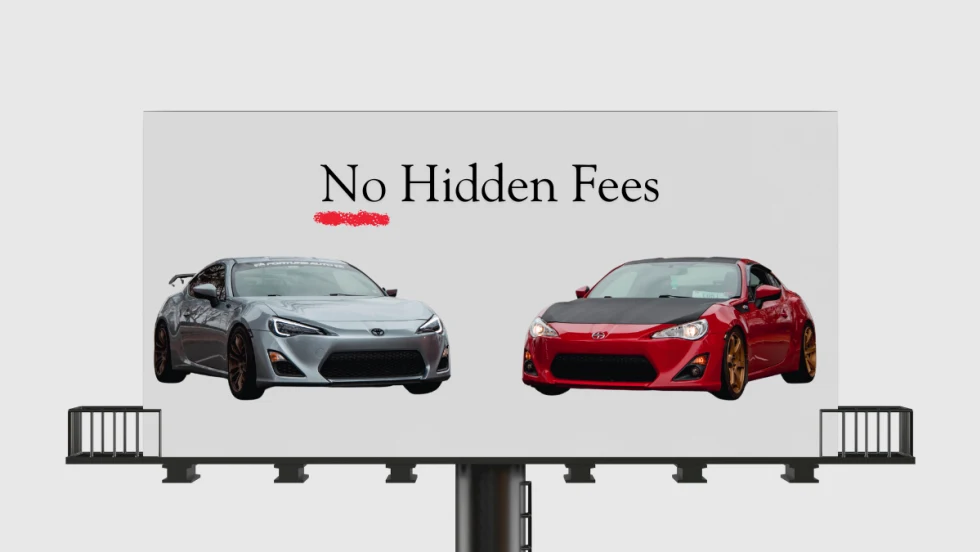
Dealer Ads and the FTC
The agency has made it clear in recent enforcement actions and warnings, in auto retail and other industries, that advertised prices must include all nonoptional costs to the consumer.
Read More →
Used Autos Supply Dwindles
The March shopping surge, despite high prices, cut into inventory by the most since the thick of the pandemic, Cox Automotive analysts calculated.
Read More →