



Part Two: Outsource to In-House BDC's - The Preparation Stage
Glynn Rodean - During the preparation stage, most business development efforts should be outsourced, and the dealership will assume the bulk of the business development duties in the final stage.... The preparation stage involves four crucial steps:

In a previous article, we covered the 40,000-foot view of implementing business development in your dealership, first as an outsource service and later transitioning to an in-house business development center (BDC). During the preparation stage, most business development efforts should be outsourced, and the dealership will assume the bulk of the business development duties in the final stage.
The preparation stage involves four crucial steps:
1. Choose an outsource provider and point person in the dealership. These are two of the most important decisions you will need to make to ensure continuity throughout the transition from outsource to in-house. When selecting an outsource provider, it’s important you choose one that is experienced, reputable and successful at both outsourcing and in-house BDC setup to help facilitate the entire process.
Also, as I mentioned in last month’s article, I recommend dealers work with a provider that charges a flat fee, as opposed to per-appointment fees, so you’ll know your cost up front and won’t incur higher-than-expected costs along the way. As always, do you homework!
When choosing the point person in your dealership, look for someone who can communicate effectively because this person will bridge the gap between the outsourced BDC and the dealership. This is the person who will communicate with the outsourced BDC on a daily basis, reviewing leads contacted, appointments set, confirmations made, shows, explanations for no-shows, rescheduled appointments and, of course, sales.
2. An initial consultation is performed by the outsource provider. I suggest the initial consultation be done “under the radar” so the business development professional/consultant will be able to best assess how the dealership is currently handling incoming phone calls and follow-up. While recently working with a dealer in the Northeast, we mystery-shopped the Internet department to determine if Internet leads were being properly handled. Assessing all the different departments is important because you need to determine where phone calls (and possibly customers) are falling through the cracks.
In some cases, doing a little follow-up with past customers can also shed some light on areas that need improvement. Plus, with a third-party BDC doing the follow-up, it’s done in a non-confrontational way, so the customer should feel more comfortable talking about what the dealership could have done better.
Also during the consultation, the consultant should determine how many calls the dealership receives, as many dealers don’t know the total number of calls their stores receive each month. Lastly, the BDC consultant can do some brief, initial training with the people answering the phones at the dealership. While the bulk of training occurs in the ramp-up process, this brief training is important. Even if you outsource inbound calls, some calls will still come to the dealership, and the way customers are treated on the phone needs to match the way they are received at the store.
3. Determine the business development functions to outsource. The results of the initial consultation can help you decide which functions to outsource. For example, if you discover the Internet department is properly working leads from the dealership Web site, you may choose to keep that in-house, but if too many direct mail or purchased leads are falling through the cracks, you’ll probably want to outsource those.
A dealership can outsource several functions. The tasks can include handling incoming sales calls; database mining of past sales and service customers; third-party leads; leads generated by advertising on TV, radio, direct mail, etc.; dealership Web site leads; and inbound calls. You can outsource all or any of these functions depending on the skill of your staff.
This step is also lays the groundwork for planning the transition from outsourcing to an in-house BDC, which will be essential to the next step—getting buy-in (commitment).
4. Get buy-in from the management staff. You may recall in my last article, I advised that it’s crucial to have buy-in that trickles from the top all the way down. You must first work on getting buy-in from your management staff; their help and motivation should make it easier to get buy-in from the rest of the staff during the next stage.
If you have a plan of action to present to management, getting buy-in should be easy because you’ll be able to explain in detail how the transition will take place. Hold a meeting to discuss the process, and make sure to address any questions and concerns management may have so there are no unresolved reservations. Commitments are ineffective when reservations exist.
Sharing your experiences helps with buy-in. Explain to the management staff how the initial consultation went, detailing which areas of the business could benefit from implementing a business development center, and let them know how it will enhance overall business. Your outsource provider should be able to supply some facts and figures as to how BDCs have generated business at other dealerships, and you can share those facts with your management staff to help solidify buy-in. This is no time for concept, theory or opinion.
Next, I’ll cover the ramp-up process in depth, which is the second of the three imperative stages of transitioning from an outsource business development solution to an in-house BDC. Feel free to e-mail me any questions, and have a great month!
Vol 6, Issue 2
More Digital
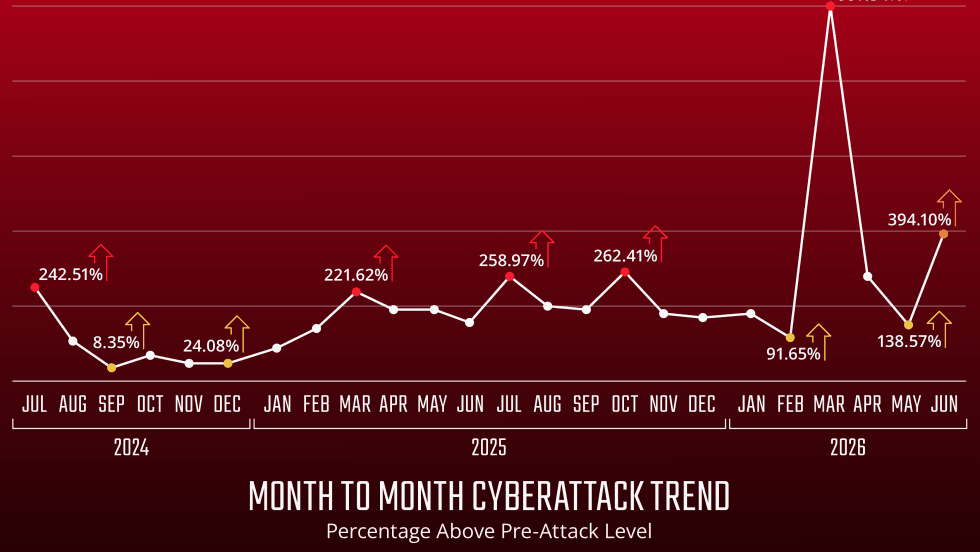
Dealerships More Frequent Cybercrook Targets
Analysis of the past year’s activity shows attacks on stores’ networks have surged dramatically as criminals leverage AI’s tools for volume and seeming legitimacy.
Read More →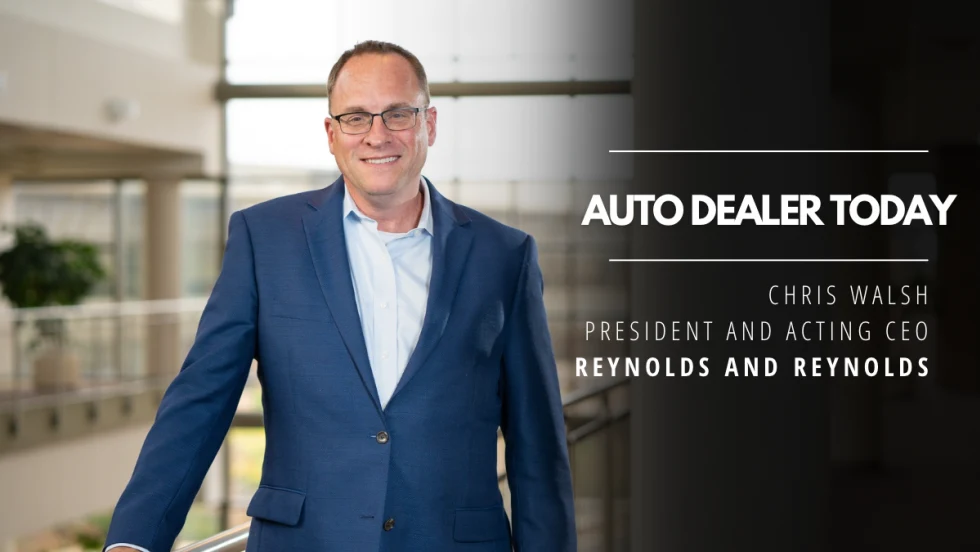
Reynolds and RockEd Team Up
Via structured learning journeys and certifications, dealership personnel can get up to speed fast, a key component for success in rapidly changing retail automotive.
Read More →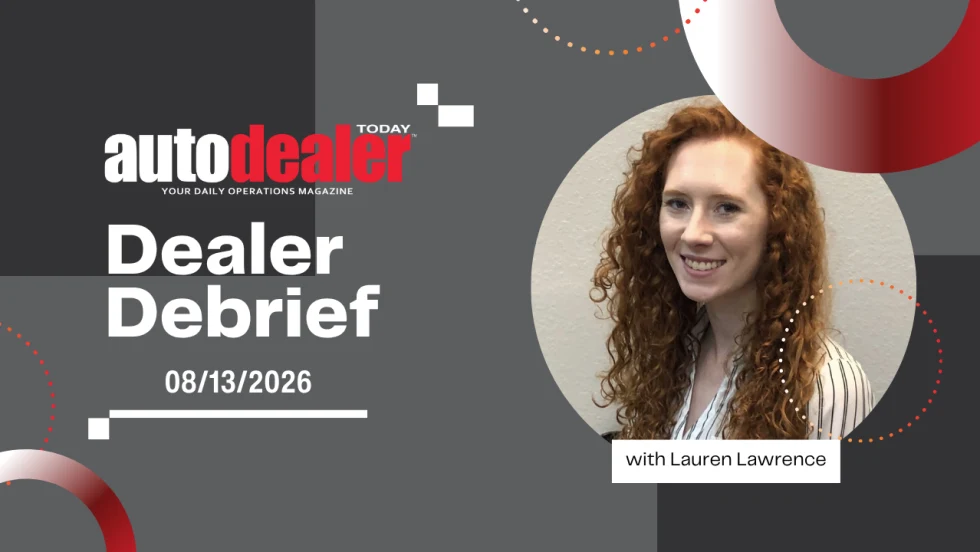
Dealer Debrief: AI is Judging Your Website
In this week's debrief, host Lauren Lawrence talks about the importance of optimizing your website for AI-powered search as well as SEO.
Read More →
Your Dealership Is Being Judged by AI Search
Car shoppers are asking the tools where to buy, service and trade. The question is whether your dealership is showing up as the answer.
Read More →
Cox Automotive Tool to Streamline Dealership Workflows
The new Navigator offering is designed to work for dealers across the company's technology solutions for time savings and more.
Read More →
DAS Technology Earns Multiple Industry Honors
The company's Power AI Search was recognized for automotive artificial intelligence as .
Read More →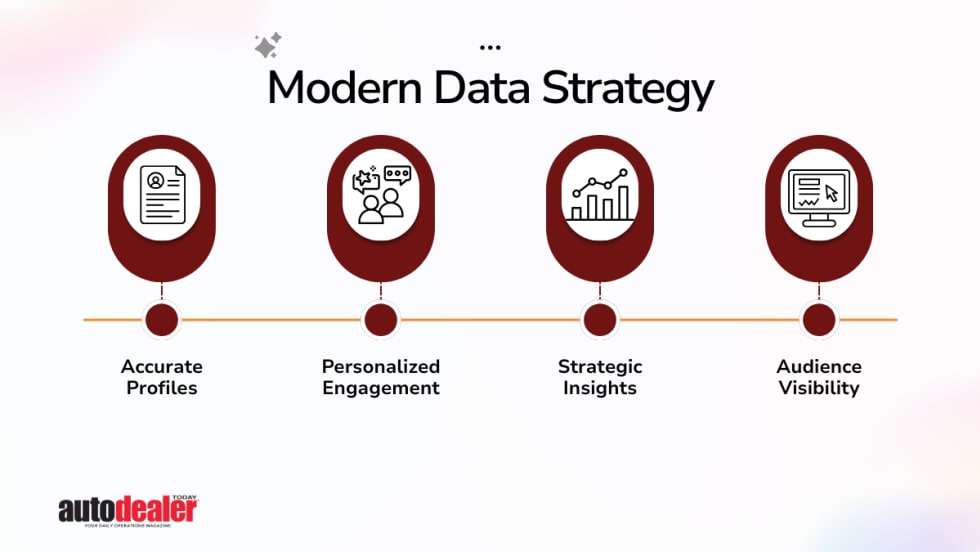
Reduce Fragmentation, Connect Customer Data
Automotive dealerships have the opportunity to reach more consumers by putting their customer data into a unified system, according to a new report.
Read More →
Dealer Debrief: Service Tech Recognition
In this week's debrief, host Lauren Lawrence covers a change to Automotive Service Professionals Month, a dealership acquisition, and a new Lexus rooftop!
Read More →
Dealer Debrief: Manufacturing Meets Demand
In this week's debrief, host Lauren Lawrence covers shifting strategies in the U.S. auto industry and how they reflect the current consumer demand.
Read More →
Trust of Autonomous Cars Not Automatic
A poll of U.S. consumers finds more awareness of the technology but no movement when it comes to relying on it for transportation.
Read More →