



Physician, Heal Thyself
The CFPB’s inability to master the basic vocabulary of automotive finance does a disservice to the consumers whose interests it is charged with protecting.

The title is a proverb that means “Before attempting to correct others, make sure that you aren’t guilty of the same faults.” The Consumer Financial Protection Bureau should heed the lesson.
A recent American Bar Association consumer credit committee meeting featured a program titled “The Case for Financial Literacy.” The program was by the committee’s Pro Bono Subcommittee, and the panel consisted of three CFPB staffers and two lawyers from financial institutions.
According to the program synopsis, the panelists were to present a variety of financial literacy empowerment programs that benefit seniors, veterans, youth, and the economically vulnerable, including CFPB’s financial literacy efforts and those of a credit counseling agency and a prominent lender. The ultimate goal, claimed the program description, was “... to establish tangible financial literacy projects for section members to undertake.”
The financial literacy training process requires making choices about what details are important for consumers to understand and what details are rounding errors. It’s important to make those choices, and they often result in defensible legal generalizations. But consumers are also smart and inquisitive. When you intentionally (and paternalistically) “dumb down” important legal distinctions that consumers can understand (like seller financing versus a bank loan), it is not helpful to consumers — especially when that “dumbing down” is driven in part by an ulterior agenda.
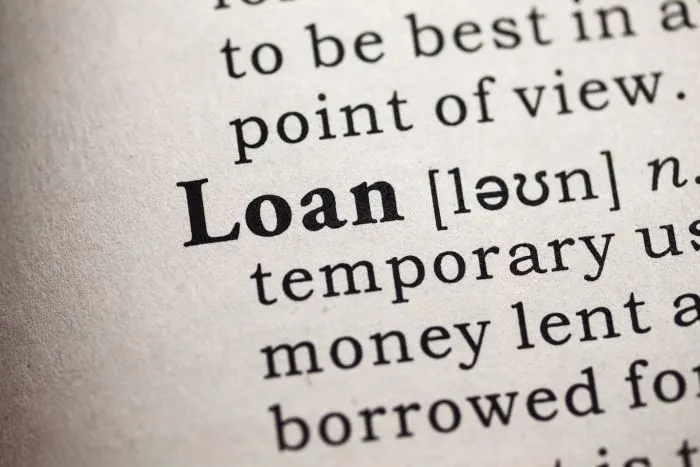
I have a really good tangible literacy project for the CFPB to undertake that will improve its own financial literacy while helping consumers understand some very important things about auto finance. My suggestion is that the CFPB teach its staffers that there are significant differences between auto loans and auto credit sale agreements. The bureau consistently calls both transactions “loans,” and that incorrect description hurts consumers.
Before I tell you how the CFPB’s misuse of these fundamental financial terms hurts consumers, let me, once more, explain the difference between a “loan” and a “credit sale.”
A loan involves a lender, who advances money to a borrower. In an auto finance loan, the grant of a security interest in the vehicle securing the loan is set out in a security agreement. The security agreement language can appear in the loan document or in a separate document.
A credit sale transaction involves a credit seller who transfers goods to a credit buyer in exchange for the credit buyer’s promise to pay for the goods over time. That promise is contained in a document called a “retail installment contract.” In the auto finance world, the credit seller is the car dealer. The dealer may assign the contract to a third party, such as a bank or finance company. When a consumer buys a car and arranges financing at a dealership, it is almost always a credit sale transaction.
When the CFPB incorrectly refers to credit sales as loans, here are several ways consumers can be harmed:
1. Consumers Can be Misinformed About Applicable Law.
In many states, loans and credit sales are subject to different laws and regulations. Critical terms of the transactions can be regulated differently, including:
The maximum permitted rate of finance charge
Limits on bad check charges
Limits on late charges
Required grace periods
Consumer rights to cure and the seller’s and buyer’s rights and obligations upon default
If the CFPB is really interested in financial literacy, wouldn’t it want consumers to know that these distinctions can exist?
A consumer who has visited the CFPB’s website and who trucks on down to her local library and asks the librarian to help her find the laws governing “car loans” may well end up looking at laws that don’t apply to her transaction. She may think she has rights that she doesn’t have, or may have rights that she is unaware of because she’s looking at the wrong law.
2. Consumers Can be Disadvantaged by Loan Documents.
If a consumer believes that all auto credit comes in the form of loans, the consumer might think that it makes no difference who the creditor may be. That isn’t the case. Borrowers signing loan documents with depository institutions often agree to terms not typically included in credit sale contracts. These terms can include:
Cross-collateralization clauses, in which the consumer provides the lender with security interests in other property owned by the consumer
Cross-default clauses that turn a default in the repayment of one obligation into a default in otherwise current obligations owed to the same creditor
Rights of setoff that give the lender the right to apply monies held in the consumer’s savings and checking accounts to amounts due under a defaulted obligation
Because car dealers are not depository institutions and because they assign their credit sale contracts to third parties, such provisions are not found in typical RISCs. It seems to me that this would be a handy thing for consumers to know.
4. The Bureau’s Misuse of These Terms Leads to Regulatory Problems.
On more than one occasion, the CFPB’s slapdash and careless use of the term “loan” to apply to all auto credit has created ambiguity or outright errors in its own communications. When those communications are designed to help consumers understand financial transactions and help businesses understand their compliance responsibilities, there’s just no excuse for the bureau’s sloppiness.
I have believed for some time that the CFPB deliberately fails to accurately describe credit sale financing because the inaccuracy advances its agenda. The CFPB wants to position dealers as agents of finance companies and banks — as mere arrangers of credit (“loans” to the CFPB). That permits the CFPB to claim that the acts of the dealer agent are acts of the dealer’s principal.
In fact, in the real world, dealers are initial creditors, independent of the finance companies and banks, who create credit sale contracts that they can keep (as do buy here, pay here dealers) or that they can sell to one of many finance companies and banks they deal with. The CFPB’s arguments on a number of fronts (think discrimination) are much harder to press when the dealer is independent of the finance companies and banks.
So there’s my suggestion to the CFPB: Financial literacy begins at home.
More Dealer Ops

How to Avoid Phone Scams | Dealer Debrief 09/10/2026
Are you taking the necessary steps to protect your dealership and customer data from phone-based scams? This week's Dealer Debrief breaks down how!
Read More →
Dealer Debrief: August Auto Sales
Gas-powered engines still dominate the U.S. vehicle market, but hybrids are gaining ground as consumers look for ways to cut their gas costs.
Read More →
Dealership Profits Decline
While new and used retail sales stagnated, dealerships have been particularly supported by fixed operations and finance-and-insurance profits, according to a new report.
Read More →
Dealer Debrief: Defection Data & EV Updates
In this week's debrief, host Lauren Lawrence discusses how to use defection data to your advantage and the latest on EV sales and charging infrastructure.
Read More →
How Defection Data is Bridging the Dealership Conversion Gap
Lead volume is flat, cross-shopping is up and brand loyalty is in retreat. As confident sales teams keep losing buyers they thought they had, daily industry sales data is showing dealers exactly where their funnel is breaking and how to fix it without buying a single new lead.
Read More →
Dealer Debrief: Where are you losing customers?
In this week's debrief, host Lauren Lawrence discusses the hidden leaks in dealerships where you might be losing customers without even realizing it.
Read More →
Dealer Debrief: Improving Your Inventory Management
In this week's debrief, host Lauren Lawrence covers a new survey that shows what service technicians really want and two launches that could help improve your inventory and vehicle life cycle management.
Read More →
Ladies and Gentlemen, This Is a Dealership: Why the Fundamentals Still Decide Who Wins
A teaching moment by a legendary football coach happens to apply perfectly in the auto retail space. Learn what it is and how to use it to your store’s advantage.
Read More →
Dealer Ads and the FTC
The agency has made it clear in recent enforcement actions and warnings, in auto retail and other industries, that advertised prices must include all nonoptional costs to the consumer.
Read More →
Used Autos Supply Dwindles
The March shopping surge, despite high prices, cut into inventory by the most since the thick of the pandemic, Cox Automotive analysts calculated.
Read More →