



Seven Rules To Great Hispanic Marketing
Mauricio Espinosa - How you should advertise depends on many factors. What you know is key, and what you don’t know can be hazardous to your business. If you want the long answer, keep reading.

When you decide to market to the Hispanic market, one of your first questions will be, “What kind of advertising should I implement?” It is a question that is probably the most important and also the most difficult to answer.
As an expert in the Hispanic market, I know what you will want to hear. I know you want the Seven Rules to Great Hispanic Marketing. The reality though, what my answer to you will be, is that “it depends.” That is the short answer. How you should advertise depends on many factors. What you know is key, and what you don’t know can be hazardous to your business. If you want the long answer, keep reading.
Scenario A
A general manager recognizes that the Hispanic market is a big deal and his dealership must include it. When I take his telephone call, I begin by explaining to him that the first step is to conduct an analysis of your area market.
Rule 1: Know Your Market
The Hispanic Market is comprised of many nationalities and Latinos of various generations. It is a complex market where a “one size fits all” mentality will end in dire failure.
The analysis will provide us with the composition of his Hispanic Market. Armed with that information we can plan accordingly and create recommendations on the appropriate mix of media and media placement (i.e. soccer game banners).
When it came time to spend money, this general manager stopped there. We presented our recommendations and he implemented 30 percent of our plan. The quick and cheap route.
Scenario B
Another general manager – excited, eager, pumped and ready for the Hispanic market – doesn’t want his dealership to miss out on the fastest growing market in the US. This scenario begins much like the previous scenario, but the response takes a different course. This GM implemented 100 percent of our plan, which included a Web site makeover. The dealership Web site provides an option to view the full site in either English or Spanish. New technologies such as the Microsoft ASP.Net framework 2.0 provide support for multi-language Web sites.
The dealership placed advertisements in all area newspapers (non-Hispanic and Hispanic targeted alike), presenting the advertisements in both languages.
What is most important is that in both of these implementations, the dealership did not translate; instead, they “Transcreated”.
Rule 2: Never Translate
I invite you, the reader, to try this simple test. Visit Google.com, and just to the right of the search field click on the Language Tools hyperlink. In the Translate section of the language tools page, place your cursor in the Translate text box and type in something of your choosing that might be something you would typically say to a customer. Then select the English to Spanish option and click the Translate button. When the Spanish words are displayed, select them and copy and paste them in the text box replacing the English words and then set the option to Spanish to English and click the Translate button again. What result do you get? Is it the same thing you first typed in the box? Probably not.
It is not sufficient to translate your message; you must recreate your message in the Spanish language and in a manner appropriate to the cultures of your Hispanic Market.
That dealership in the second scenario also encourages the salespeople and managers to be involved in their communities. When you visit the store you can quickly tell that people just “click” and there is comfort in both languages. In the end, this dealership has been very successful at capturing both the Hispanic and non-Hispanic market in their area market. I shouldn’t have to tell you who “owns” that area market.
In our two scenarios, what it boils down to is simply this: how much do you really believe in the Hispanic market?
Rule 3: Believe in the Hispanic Market
It’s a business decision, not to be taken lightly. There is no gray area, it’s black and white. Are you in, or are you out? You can do very well if you decide to do it.
When you go after the Hispanic market and begin to think about your advertising budget, think about the market as being the main source of customers to you and then ask yourself “How much is that worth?”
Once you begin, you must make sure that all of your employees know and understand your advertising. Explain to them how they are a part of the advertising. Until the customer buys, what you are advertising is your store.
Rule 4: Spend the Money
All too often the only Hispanic advertising being done is a “Se Habla Español” sign. Remember Rule 3?
The fasting growing market in the United States is the Hispanic market, a market valued at more than a billion dollars that consistently surpasses projections. If you think you can go cheap with media and that a “Se Habla Español” sign is sufficient at capturing your share of a billion dollar market, think again.
Rule 5: Define Your Message
Your advertising firm is a significant partner in your decision. It’s preferable to have a firm with strong, successful experience in the Hispanic market—one that knows the meaning of transcreate and really believes in the market.
When there is failure, we may be quick to blame the advertising firm, but we must deliver on rules one through five in conjunction with a defined message. Only then can you get to Rule 7.
Rule 6: Exercise Consistency
This rule correlates with rule number three and four. When you make this decision to spend money and define your message, it is vital that you and all of your personnel know what kind of message you want to send to the Hispanic market. Everyone must understand the message. Is the message always consistent? Is the message in line with your non-Hispanic message? If that message changes, you need to appropriately change your Hispanic message. You must have strong lines of communication with your employees and with your advertising firm, or your message may very well backfire on you.
Hispanics like to visit the store first, get to know the place and then buy. Keep in mind that the “visiting” of your store can be done in ways other than physically stepping inside your showroom. It may be done virtually through your Web site, or by telephone. Regardless of whether they physically visit your store, browse your Web site or place a telephone call, they must feel the same welcoming and friendly environment. They must receive the same consistent message
Rule 7: Measure and Capitalize
Know how much traffic each advertising effort brings to your store. Know the effectiveness, rank them, know ratios, set goals and always, always, follow your plan. Then make sure you have the processes in place in the dealership to capitalize on the new business your plan generates.
Vol 5, Issue 9
More Digital
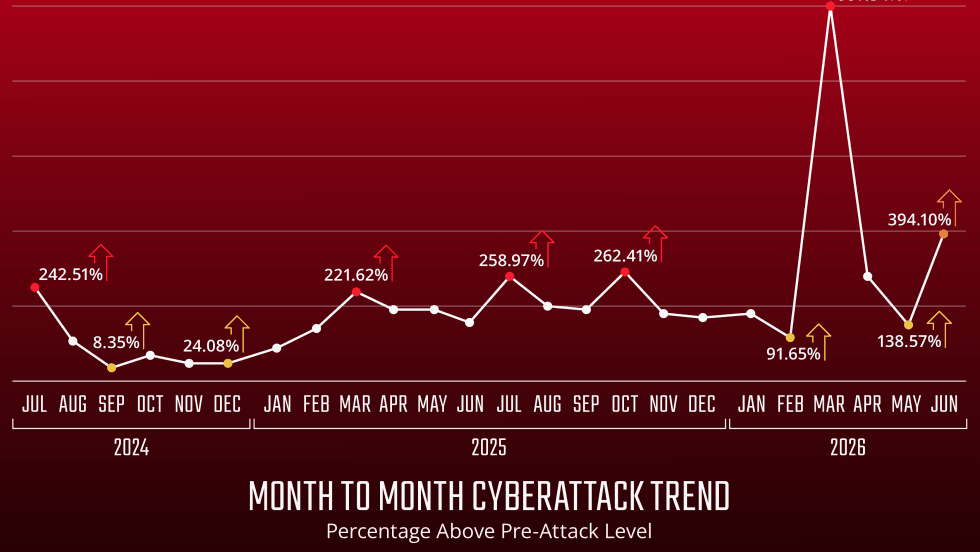
Dealerships More Frequent Cybercrook Targets
Analysis of the past year’s activity shows attacks on stores’ networks have surged dramatically as criminals leverage AI’s tools for volume and seeming legitimacy.
Read More →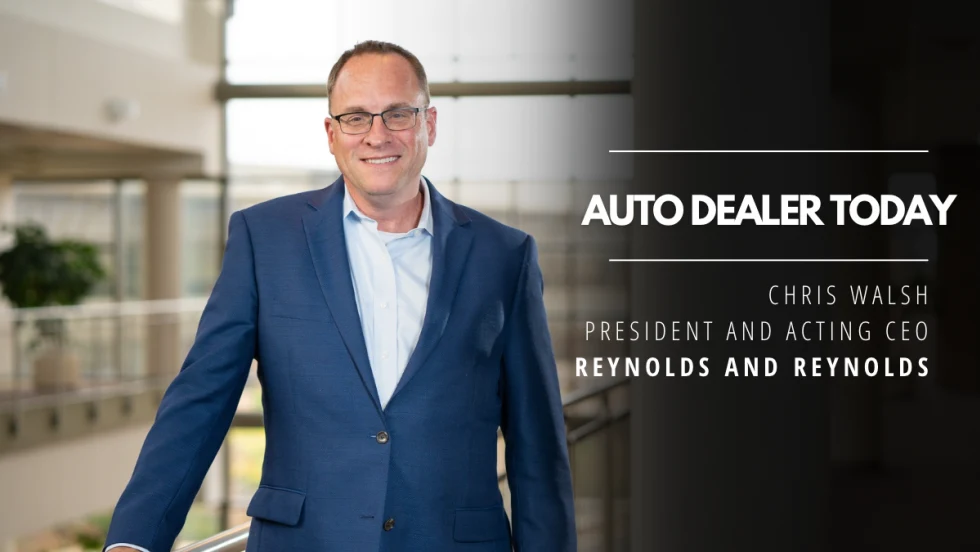
Reynolds and RockEd Team Up
Via structured learning journeys and certifications, dealership personnel can get up to speed fast, a key component for success in rapidly changing retail automotive.
Read More →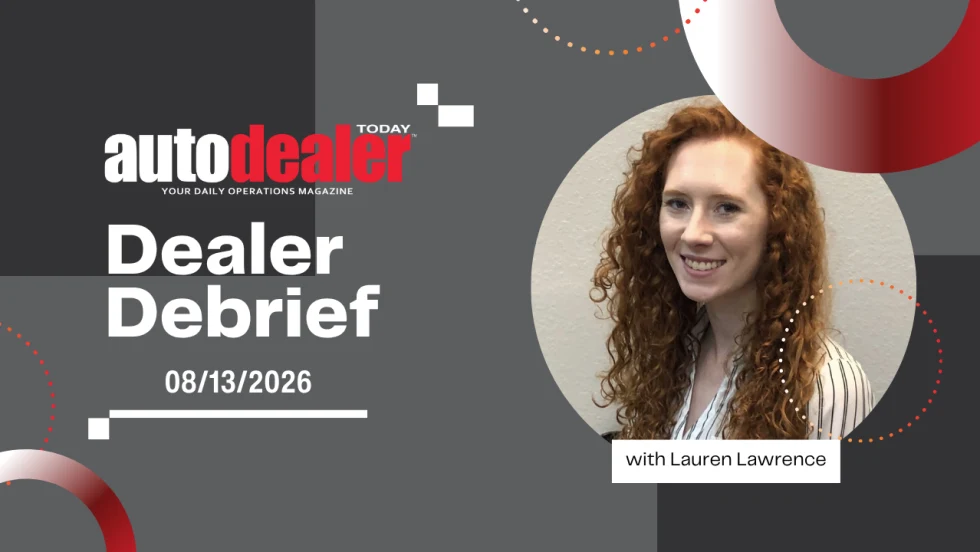
Dealer Debrief: AI is Judging Your Website
In this week's debrief, host Lauren Lawrence talks about the importance of optimizing your website for AI-powered search as well as SEO.
Read More →
Your Dealership Is Being Judged by AI Search
Car shoppers are asking the tools where to buy, service and trade. The question is whether your dealership is showing up as the answer.
Read More →
Cox Automotive Tool to Streamline Dealership Workflows
The new Navigator offering is designed to work for dealers across the company's technology solutions for time savings and more.
Read More →
DAS Technology Earns Multiple Industry Honors
The company's Power AI Search was recognized for automotive artificial intelligence as .
Read More →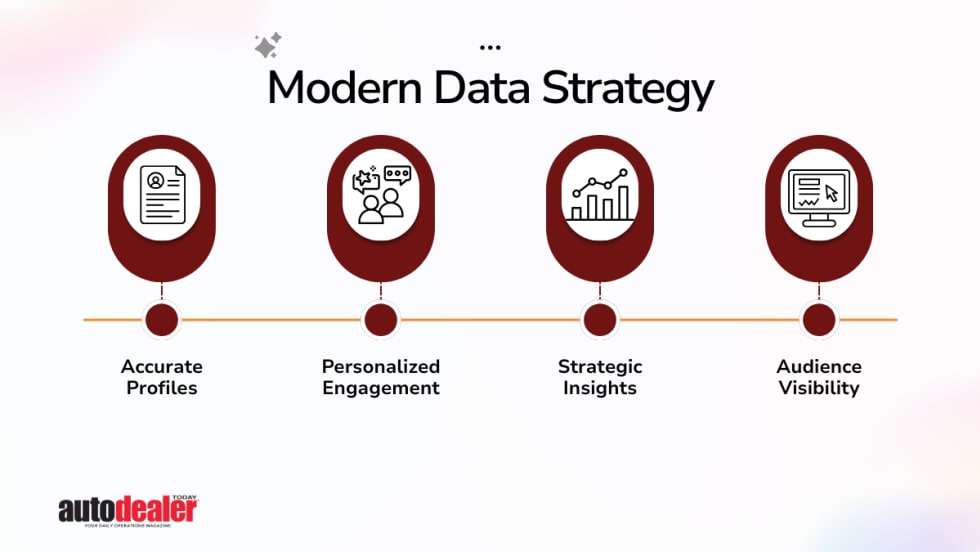
Reduce Fragmentation, Connect Customer Data
Automotive dealerships have the opportunity to reach more consumers by putting their customer data into a unified system, according to a new report.
Read More →
Dealer Debrief: Service Tech Recognition
In this week's debrief, host Lauren Lawrence covers a change to Automotive Service Professionals Month, a dealership acquisition, and a new Lexus rooftop!
Read More →
Dealer Debrief: Manufacturing Meets Demand
In this week's debrief, host Lauren Lawrence covers shifting strategies in the U.S. auto industry and how they reflect the current consumer demand.
Read More →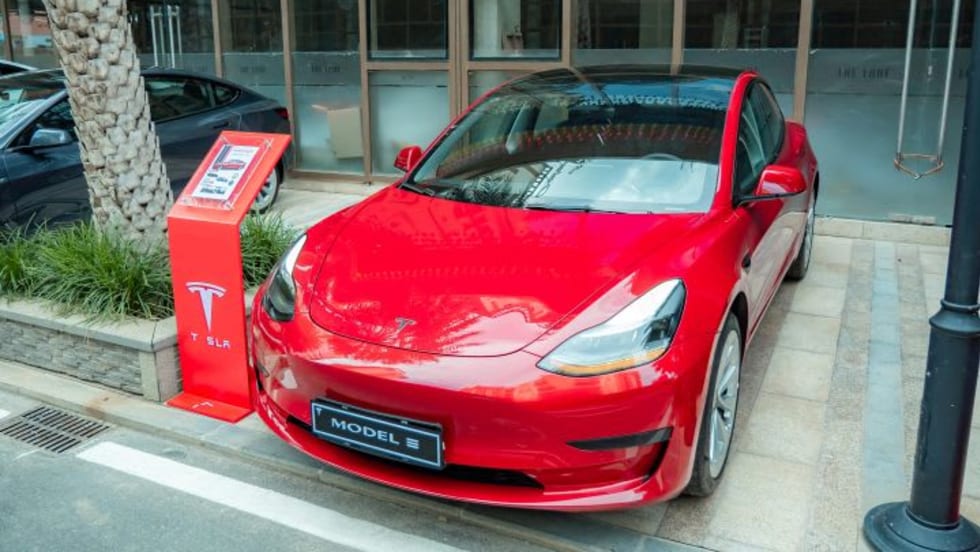
Trust of Autonomous Cars Not Automatic
A poll of U.S. consumers finds more awareness of the technology but no movement when it comes to relying on it for transportation.
Read More →