



Vicarious Liability
When is a dealership liable for its customer’s negligence?

When someone is injured, lawyers suddenly appear. When the lawyers show up, they start nosing around for deep pockets to pilfer to cover their clients’ damages and, of course, the lawyers’ fees.
Car dealers usually have pockets that are deeper than the people who buy cars from them, so when a car buyer has a car accident injuring some third person, it is no surprise that the injured person’s lawyers will try to come up with a liability theory to make the dealer pay. A recent case illustrates the point.
Peter Reynoso and Erica Yancey bought a car together from Best Car Buys Ltd. Reynoso did not have a driver’s license, but he produced a state ID as a form of identification.
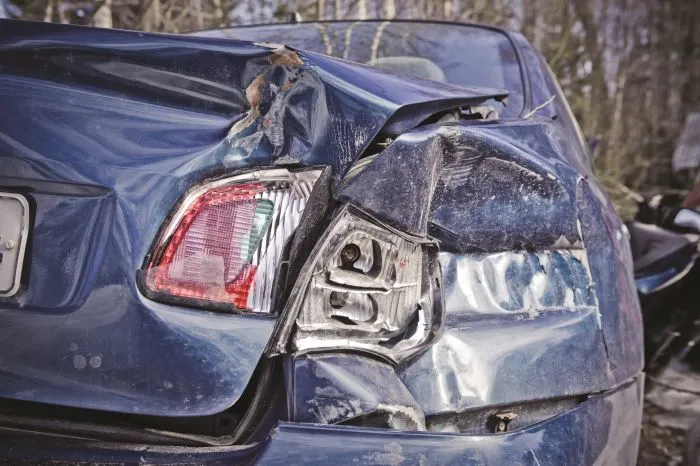
Eight days after the sale, Reynoso hit Camell Beasley with the car. Beasley sued Best Car for negligence and negligent entrustment in Colorado District Court.
Best Car moved for summary judgment. Best Car argued that it owed Beasley no duty to investigate Reynoso’s driving record and did not know or have reason to know that Reynoso was likely to use the car in a risky manner. The trial court granted summary judgment for Best Car. Beasley appealed.
The Court of Appeals of Colorado affirmed the trial court’s decision. According to the appellate court, Best Car did not owe a duty to Beasley to investigate Reynoso’s license or driving history. As a result, Beasley had no negligence claim.
Next, the court decided that Best Car did not know or have reason to know that Reynoso was likely to use the car in a way that would cause Beasley or others an unreasonable risk of physical harm, either because of youth, inexperience, or otherwise. Best Car did not know or have reason to know that Reynoso was likely to cause harm simply because Reynoso did not produce a driver’s license when he bought the car. The fact that Reynoso did not have a driver’s license did not necessarily mean that he would be a reckless driver, or that he had been a reckless driver in the past.
The appellate court also explained that it was not practical for the courts to require every car dealer to investigate the driving history of every car buyer. As a result, Best Car did not have a duty to stop the sale.
So the dealer dodged this one. What would have happened, though, if the facts had been a bit different? What if, for example, the dealer knew the buyer, and knew that he had had been convicted several times for drunk driving, and as a result had lost his license?
The takeaway here? There can be risk to a dealer in selling a car when the dealer has some level of knowledge that the buyer may cause damage to others after leaving the lot. What level of knowledge is required to create such risk? If you’re a dealer, maybe a discussion with your lawyer and your insurance company is in order.
More Dealer Ops
How to Avoid Phone Scams | Dealer Debrief 09/10/2026
Are you taking the necessary steps to protect your dealership and customer data from phone-based scams? This week's Dealer Debrief breaks down how!
Read More →
Dealer Debrief: August Auto Sales
Gas-powered engines still dominate the U.S. vehicle market, but hybrids are gaining ground as consumers look for ways to cut their gas costs.
Read More →
Dealership Profits Decline
While new and used retail sales stagnated, dealerships have been particularly supported by fixed operations and finance-and-insurance profits, according to a new report.
Read More →
Dealer Debrief: Defection Data & EV Updates
In this week's debrief, host Lauren Lawrence discusses how to use defection data to your advantage and the latest on EV sales and charging infrastructure.
Read More →
How Defection Data is Bridging the Dealership Conversion Gap
Lead volume is flat, cross-shopping is up and brand loyalty is in retreat. As confident sales teams keep losing buyers they thought they had, daily industry sales data is showing dealers exactly where their funnel is breaking and how to fix it without buying a single new lead.
Read More →
Dealer Debrief: Where are you losing customers?
In this week's debrief, host Lauren Lawrence discusses the hidden leaks in dealerships where you might be losing customers without even realizing it.
Read More →
Dealer Debrief: Improving Your Inventory Management
In this week's debrief, host Lauren Lawrence covers a new survey that shows what service technicians really want and two launches that could help improve your inventory and vehicle life cycle management.
Read More →
Ladies and Gentlemen, This Is a Dealership: Why the Fundamentals Still Decide Who Wins
A teaching moment by a legendary football coach happens to apply perfectly in the auto retail space. Learn what it is and how to use it to your store’s advantage.
Read More →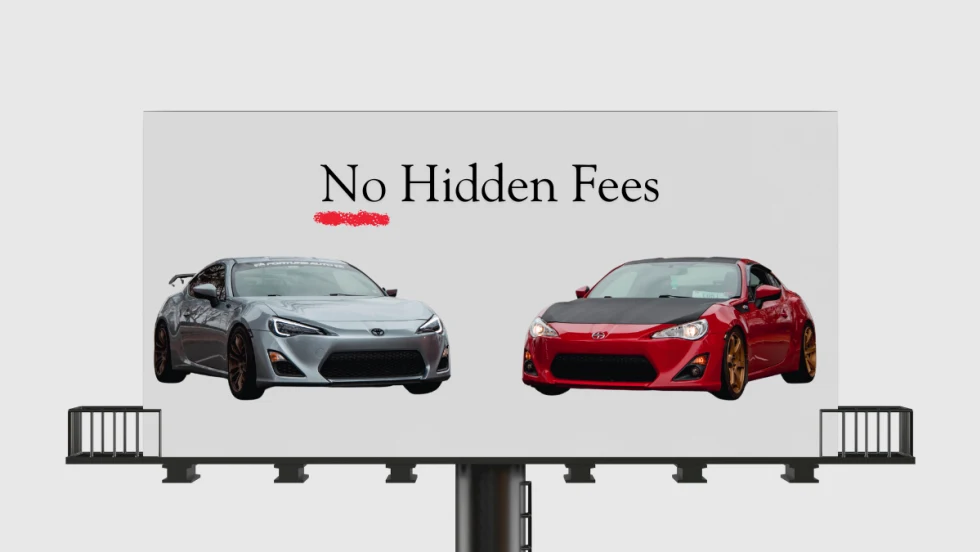
Dealer Ads and the FTC
The agency has made it clear in recent enforcement actions and warnings, in auto retail and other industries, that advertised prices must include all nonoptional costs to the consumer.
Read More →
Used Autos Supply Dwindles
The March shopping surge, despite high prices, cut into inventory by the most since the thick of the pandemic, Cox Automotive analysts calculated.
Read More →