



What Should My Cost Per Sale Be? The Flaw in Calculating Advertising Cost Per Sale
Rob Anderson - You may find out that 60 percent of your business is generated by repeat, drive-by and referrals. If you are in a great location, this may be the case ...

This is the only question you need to ask if you want to increase your advertising efficiency. While at a convention a few years ago, I was talking to a dealer and he was asking me about our leads. At the time, we were selling TV leads for $50 apiece. I simply said if a sub-prime dealer buys 100 leads from us, he could expect to sell 10 cars. Someone overheard our conversation and said, “That’s $500 per car sold! That’s way too high.” The offending gentleman makes his living as a sub-prime consultant. I replied to my unprovoked attacker, “What should it be?” He said, “Less than $350 per car sold.” He gave this number because it was, at the time, the national average. So a dealership spends $35,000 on advertising and sells 100 cars a month and that’s good? This is the way everyone does it and has done it for years and it is flawed. It is problematic because people who have not been touched by your advertising message purchase a percentage of those 100 cars. | ||||||||
In order to find an accurate cost per car sold, you have to begin by making some assumptions. Here is a sample chart:
| ||||||||
Percentage of sales from repeat business: | 20 percent | |||||||
Percentage of sales from drive-by traffic: | 15 percent | |||||||
Percentage of sales from referrals: | 10 percent | |||||||
Total percentage of sales not generated from advertising: | 45 percent | |||||||
As always, accountability and tracking play a major role in determining your true cost per car sold. Put a different phone number on anything and everything you run. Call response is your first indicator. Starting from the top down, use a call tracking service; then, move downstream and look at your customer base. Drill down the repeat business, drive-by traffic and referral business as best you can. These areas are never going to be an exact science. Assumptions will have to be made, but it will still get you closer to the true cost per car sold than just taking your advertising budget and dividing it by total units sold. Distinguishing direct advertising sales from sales generated by repeat, drive-by, and referral business is critical for you. I suggest you begin to make assumptions right now as I have done in the table above. I normally dismiss asking your customers how they heard about you, but in this case, it will help. Go ahead and do it. Never use it as a barometer to determine which of your multiple advertising mediums and campaigns work best. However, let your customers guide you when it comes to making assumptions about your true cost per car sold. You may find out that 60 percent of your business is generated by repeat, drive-by and referrals. If you are in a great location, this may be the case. If you are at $800 or $1,000 per car sold, it doesn’t need to be a cause for alarm because these are numbers are not all that uncommon. Moreover, you need to get closer to the truth if you are going to make your advertising more efficient. Before you figure out which campaigns, promotions and programs work better for you than others, you have to figure out if anything is working at all. To consider which customers buy because of an offer or promotion versus referral, drive-by and repeat may seem like the most basic analysis in advertising and marketing. It may be, but it is an area to monitor and take very seriously. Get back to the basics. This time make sure you get calculate an accurate cost per car sold because it really is the most important number in automotive marketing. Even the guy who was knocking my leads at the convention knew the importance of this concept. However, he just didn’t know how to get to the true number. Now you know how! | ||||||||
More Digital
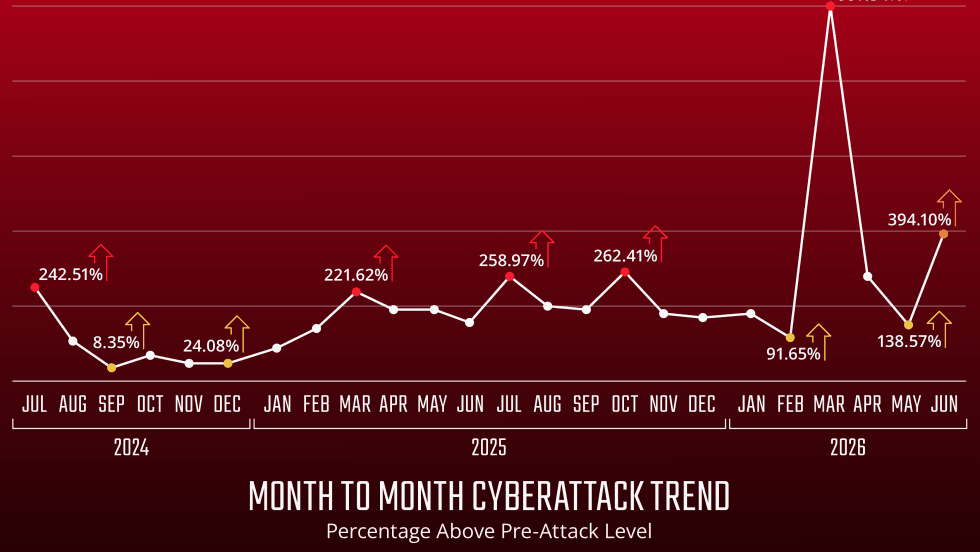
Dealerships More Frequent Cybercrook Targets
Analysis of the past year’s activity shows attacks on stores’ networks have surged dramatically as criminals leverage AI’s tools for volume and seeming legitimacy.
Read More →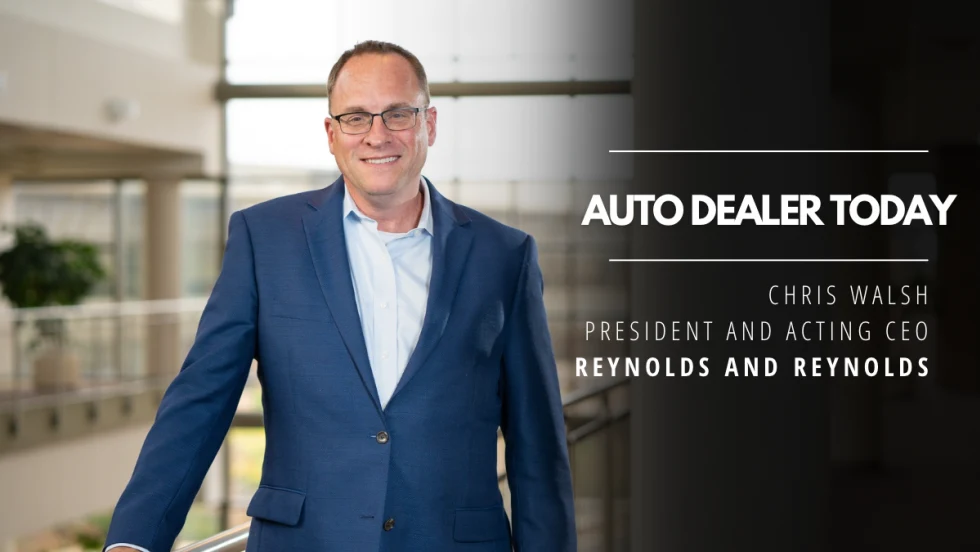
Reynolds and RockEd Team Up
Via structured learning journeys and certifications, dealership personnel can get up to speed fast, a key component for success in rapidly changing retail automotive.
Read More →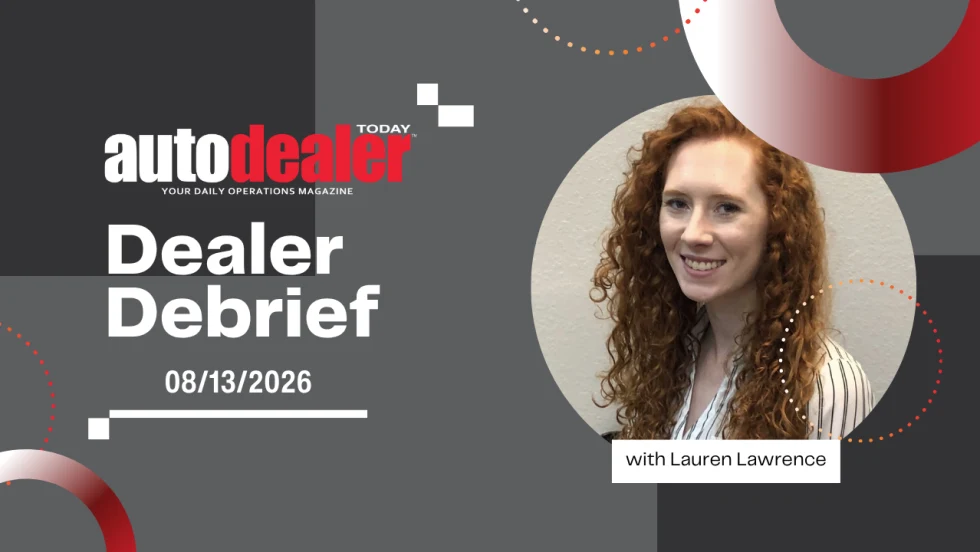
Dealer Debrief: AI is Judging Your Website
In this week's debrief, host Lauren Lawrence talks about the importance of optimizing your website for AI-powered search as well as SEO.
Read More →
Your Dealership Is Being Judged by AI Search
Car shoppers are asking the tools where to buy, service and trade. The question is whether your dealership is showing up as the answer.
Read More →
Cox Automotive Tool to Streamline Dealership Workflows
The new Navigator offering is designed to work for dealers across the company's technology solutions for time savings and more.
Read More →
DAS Technology Earns Multiple Industry Honors
The company's Power AI Search was recognized for automotive artificial intelligence as .
Read More →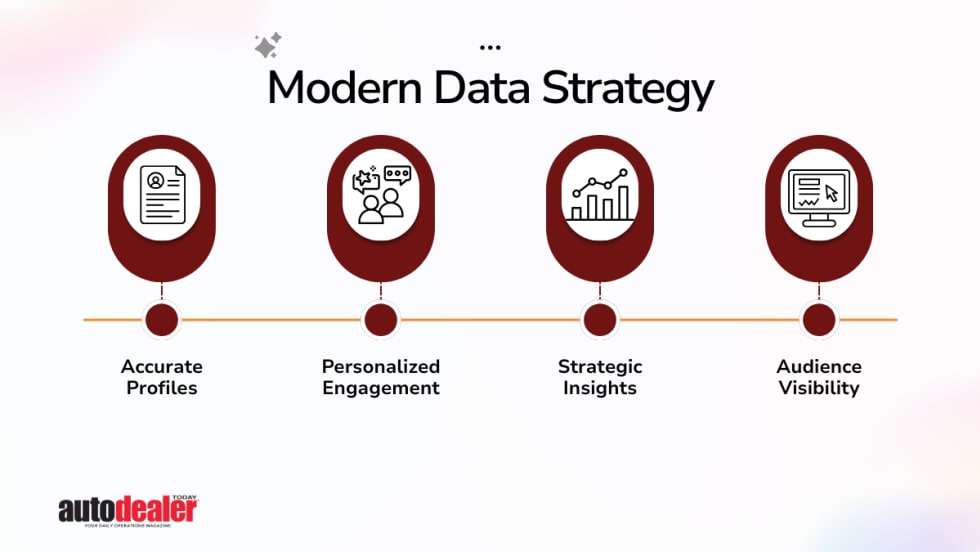
Reduce Fragmentation, Connect Customer Data
Automotive dealerships have the opportunity to reach more consumers by putting their customer data into a unified system, according to a new report.
Read More →
Dealer Debrief: Service Tech Recognition
In this week's debrief, host Lauren Lawrence covers a change to Automotive Service Professionals Month, a dealership acquisition, and a new Lexus rooftop!
Read More →
Dealer Debrief: Manufacturing Meets Demand
In this week's debrief, host Lauren Lawrence covers shifting strategies in the U.S. auto industry and how they reflect the current consumer demand.
Read More →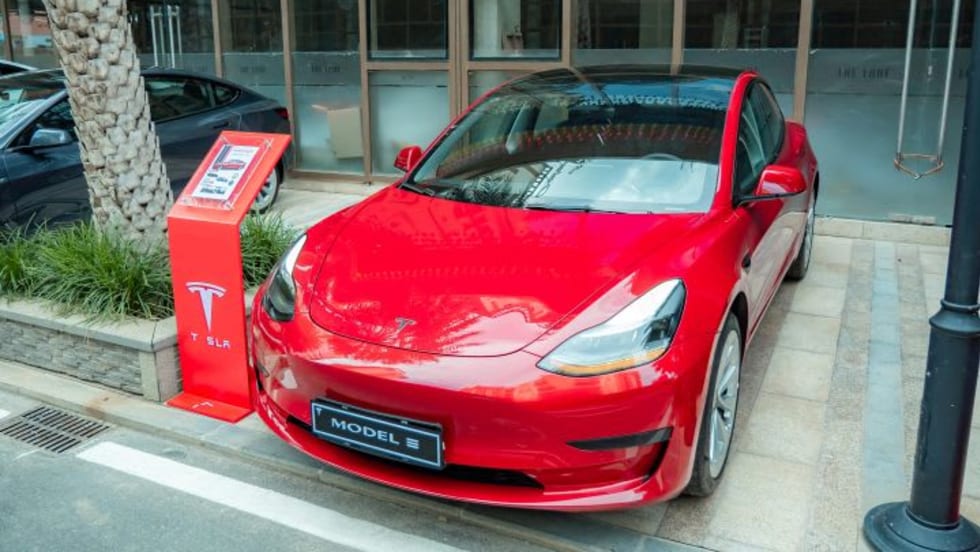
Trust of Autonomous Cars Not Automatic
A poll of U.S. consumers finds more awareness of the technology but no movement when it comes to relying on it for transportation.
Read More →