


Chip Summit Brings Good News and Bad News for Automakers
The Biden Administration has bipartisan support to contribute $50 billion for semiconductor manufacturing and research, but where the funds will go remains subject of debate.


The Biden Administration has bipartisan support to contribute $50 billion for semiconductor manufacturing and research, but where the funds will go remains subject of debate.
The outcome of the April 12th meeting between the Biden Administration and key executives from 19 major companies to discuss a crippling semiconductor shortage brought good news and bad news for automakers.
Today’s meeting marks the continuation of a strong partnership between the Biden Administration and the industry to strengthen America’s semiconductor supply chain by enacting federal investments in domestic chip manufacturing and research.
The good news is that President Biden announced 23 senators and 42 representatives back his proposal for $50 billion for semiconductor manufacturing and research. Biden reported, “both sides of the aisle are strongly supportive of what we’re proposing and where I think we can really get things done for the American people.”
The bad news is that funds allocation remains subject of debate.
Automakers at the meeting, including General Motors CEO Mary Barra, Ford Motor Co. CEO Jim Farley, and Stellantis CEO Carlos Tavares, want to reserve a chunk of money for vehicle-grade chips. Top auto manufacturers warn that without needed chips a potential 1.3-million shortfall in U.S. car and light-duty truck production could result in 2021.
However, the auto industry is not the sole industry impacted by the semiconductor shortage. The deficit also impacts computer and cellular phone industries. Execs in these industries complained about automaker’s demands, fearing their industries will suffer as a result.
A White House statement after the virtual semiconductor summit didn’t shed light on these concerns. Rather, it reiterated that the semiconductor shortage is a “top and immediate priority for the President and his senior-most advisors on economic and national security.”
Reports note the White House hasn’t taken a position on the issue, but semiconductor industry leaders say the Administration has privately said it will not support special treatment for one industry.
Even so, Matt Blunt, president of the American Automotive Policy Council, expressed hope that the Biden Administration would consider setting aside funds for the auto industry.
The American Automotive Policy Council, which lobbies for Ford, GM and Stellantis, has requested that at least 25% of federal support for semiconductor factory construction go to U.S. facilities that agree to allocate at least 25% of their capacity to automotive-grade chips.
Participants at the session suggested improving supply chain transparency and demand forecasting will help mitigate future challenges. They also zeroed in on developing and encouraging additional semiconductor manufacturing capacity in the United States to prevent future shortages. The United States’ share of global semiconductor manufacturing capacity has decreased 37% since 1990, according to the Semiconductor Industry Association.
John Neuffer, president and CEO of the association, said during the virtual event that funding chip manufacturing incentives and research investments will strengthen U.S. production and innovation to ensure every industry has the chips it needs.
“Today’s meeting marks the continuation of a strong partnership between the Biden Administration and the industry to strengthen America’s semiconductor supply chain by enacting federal investments in domestic chip manufacturing and research,” Neuffer said in a statement.
The chip shortage exists for a variety of reasons. Automakers cut their orders of parts and materials, including semiconductor chips, in Spring 2020 after sales plummeted during the pandemic. When business picked up, automakers found chips already committed to customers in the consumer electronics and IT industries.
The Trump Administration’s tight regulation of semiconductor sales to Huawei Technologies, ZTE, and other Chinese firms also contributed. Affected companies began stockpiling chips for 5G smartphones and other electronics. And China’s Semiconductor Manufacturing International Corporation blocked semiconductor sales to American companies.
A massive fire at a Japanese factory further complicated the matter by cutting off supplies for fiberglass used in printed circuit boards. Global transportation constraints also exacerbated the shortage.
Originally posted on Agent Entrepreneur
More Fixed Ops

The Fixed Ops Blind Spot | Dealer Debrief
Customer-pay repair orders only make up about 5% of a service department’s repair orders. Is your dealership missing out on this profitable service?
Read More →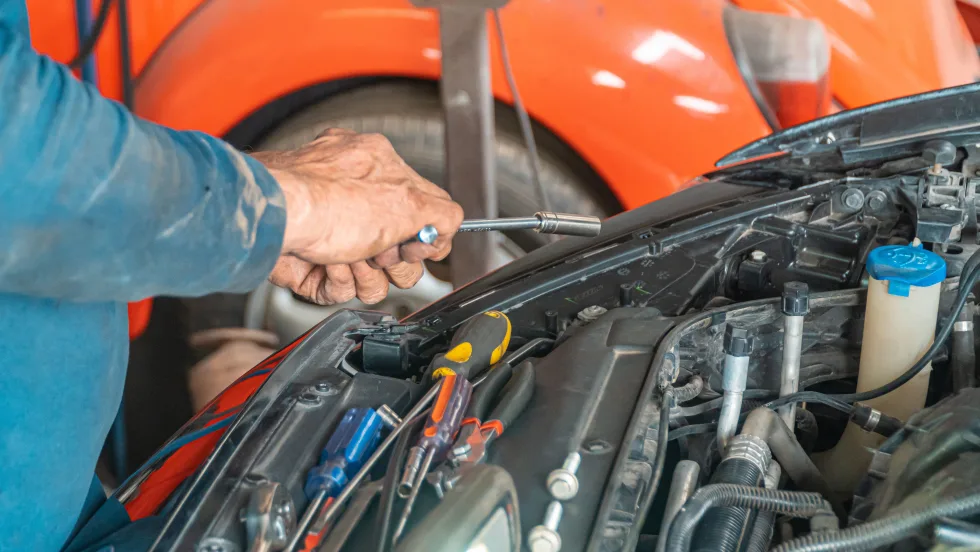
The Fixed Ops Blind Spot
Customer-pay repair orders are profitability drivers for service departments, but many dealerships don't know how much of their business goes to them.
Read More →
ASE Invites Service Centers to Benchmark Performance
ASE Connects is gathering the data for its quarterly service snapshot report, which provides a comparison of service drives across the country.
Read More →
More Cars Recalled in First Half
The six months that kicked off the year saw an extended surge of the number of vehicles recalled, electrical issues leading the way again.
Read More →
California Dealer Group Foundation Partners With ASE
CNCDA Foundation and ASE Connects collaboration is intended to build California's automotive technician workforce.
Read More →
Dealer Debrief: Fixed-Ops Opportunities
In this week's debrief, host Lauren Lawrence discusses maximizing your dealership's profitability with a focus on fixed operations.
Read More →
Dealer Debrief: Technician Apprenticeships
In this week's debrief, host Lauren Lawrence discusses a new grant for service tech apprenticeships and more industry workforce news.
Read More →
ASE Acquires WrenchWay
The auto technician certification nonprofit said the deal expands its role in workforce-development and support for current and future service professionals.
Read More →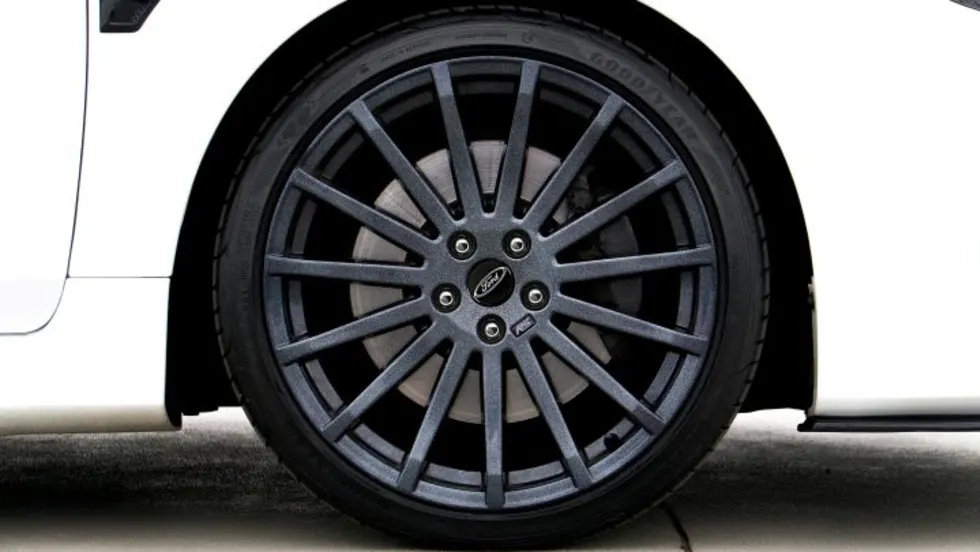
TraXtion Introduces TireSpec Website Solution
The company says the offering enables consumers to snap a photo of their tire with a smartphone and receive an instant replacement quote, capturing 90% of tire shoppers who start their shopping online.
Read More →
UVeye Launches Same-Day Vehicle Listings for Car Dealers
New 'Scan to Sold' offering turns the service lane into a website-ready merchandising photo booth designed to help dealerships reduce turnaround time from days to minutes.
Read More →