



Cox Automotive Dealer Sentiment Index: With COVID-19 Concerns Mostly in the Rearview Mirror, Auto Dealers’ Attention Turns to Inflation, High Costs and Tight Inventory
U.S. automobile dealer sentiment in the second quarter of 2022 softened as U.S. auto dealers’ attention turned to inflation, high costs and tight inventory, marking the fourth straight quarter-over-quarter decline in market sentiment.

U.S. automobile dealer sentiment in the second quarter of 2022 softened as U.S. auto dealers’ attention turned to inflation, high costs and tight inventory, marking the fourth straight quarter-over-quarter decline in market sentiment.
U.S. automobile dealer sentiment in the second quarter of 2022 softened as U.S. auto dealers’ attention turned to inflation, high costs and tight inventory, marking the fourth straight quarter-over-quarter decline in market sentiment. The current market index peaked at 67 in Q2 2021 and has been trending downward since. Still, at 54, the current market index remains above the positive threshold of 50 in the Cox Automotive Dealer Sentiment Index (CADSI).
The key drivers of sentiment saw disparate shifts in Q2. The 3-month, forward-looking market outlook index sharply dropped from the previous quarter and, at 53, is well below the 63 recorded a year ago in Q2 2021. The economy index increased slightly in Q2 to 50, up from 49 in the prior quarter. With the index now at 50, dealers are right at the positive threshold in judging the economy as strong.
“U.S. auto dealers are certainly feeling the pressure of inflation and tight inventory,” said Cox Automotive Chief Economist Jonathan Smoke. “Franchised dealers continue to be very profitable, but the steep drop in the market outlook index indicates dealers are less enthused about the future. While all dealers are impacted by higher costs of doing business, the profit story is also different for independent dealers, as used vehicles have started depreciating again.”
The Q2 2022 CADSI research was in market from April 25 to May 9, 2022, when COVID cases had retreated from omicron-driven records and activity was normalizing compared to the situation in January.
INVENTORY CONTINUES TO IMPACT SALES
One worrisome sign in the latest CADSI report is the small improvement in the new-vehicle inventory mix index for franchised dealers. The index increased only two points from Q1 and remains historically low at 25, an eight-point year-over-year decrease.
“Today’s market continues to be framed by constrained new-vehicle inventory,” added Smoke. “Low new-vehicle inventory and the associated low level of incentives and lack of discounting have priced many would-be buyers out of the market and into the used-vehicle market. Others may be delaying purchases, waiting for supply to improve, but supply has yet to see much change.”
On the used-vehicle side, the inventory index dropped in Q2 2022 to 35, one point lower than the previous quarter but up fourteen points year over year. The used-vehicle inventory mix index improved among franchised dealers versus independent dealers, showing a 5-point increase year over year in Q2 to 55. All index scores associated with inventory, however, remain below the 50 threshold, indicating dealers are still facing significant inventory challenges for both new and used vehicles. Consistent with last quarter, Limited Inventory ranks as the No. 1 factor holding back dealer business in Q2.
While new-vehicle inventory remains tight, the view of new-vehicle sales improved, increasing from 50 to 52, meaning dealers are now more optimistic about new-vehicle sales. One year ago, the index score was 65, meaning significantly more dealers saw the market as good. The new-vehicle incentives index dropped by two points quarter over quarter to 21, the lowest level since the question was added to the CADSI in Q3 2019.
On the other hand, the used-vehicle sales index fell five index points to 47. For franchised dealers, the used-vehicle sales index increased by one point for Q2, breaking a downward streak but is still below year-ago levels. For independent dealers, the index fell six points from the previous quarter to 42 and is down 14 points from a year ago. Overall, most dealers view used-vehicle sales as weak.
DEALERS WORRIED ABOUT THE ECONOMY AND COSTS
In Q2 2022, the cost index – specifically the cost of running a dealership – was at the highest level since the survey began in 2017. After reaching a record low in Q2 2020 of 51 at the height of the pandemic, the cost index has been steadily increasing. Overall inflation in the U.S. economy is clearly contributing to this view. The Economy is the second leading factor impacting dealer business at 46%, up from 37% in Q1, with Market Conditions, Expenses and Political Climate following closely behind. Dealers are worried about inflation and the possibility of a recession along with lagging consumer confidence.
Originally posted on F&I and Showroom
More Fixed Ops

California Dealer Group Foundation Partners With ASE
CNCDA Foundation and ASE Connects collaboration is intended to build California's automotive technician workforce.
Read More →
Dealer Debrief: Fixed-Ops Opportunities
In this week's debrief, host Lauren Lawrence discusses maximizing your dealership's profitability with a focus on fixed operations.
Read More →
Dealer Debrief: Technician Apprenticeships
In this week's debrief, host Lauren Lawrence discusses a new grant for service tech apprenticeships and more industry workforce news.
Read More →
ASE Acquires WrenchWay
The auto technician certification nonprofit said the deal expands its role in workforce-development and support for current and future service professionals.
Read More →
TraXtion Introduces TireSpec Website Solution
The company says the offering enables consumers to snap a photo of their tire with a smartphone and receive an instant replacement quote, capturing 90% of tire shoppers who start their shopping online.
Read More →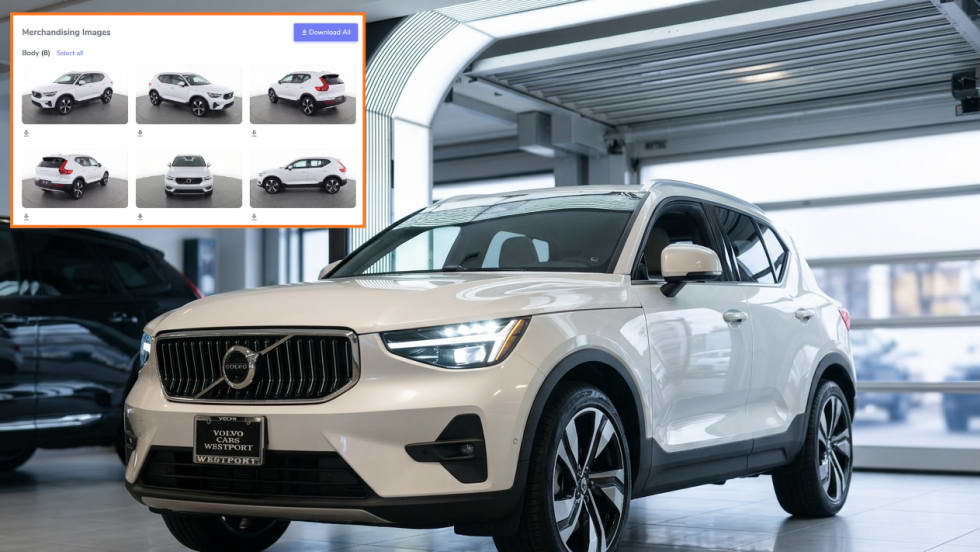
UVeye Launches Same-Day Vehicle Listings for Car Dealers
New 'Scan to Sold' offering turns the service lane into a website-ready merchandising photo booth designed to help dealerships reduce turnaround time from days to minutes.
Read More →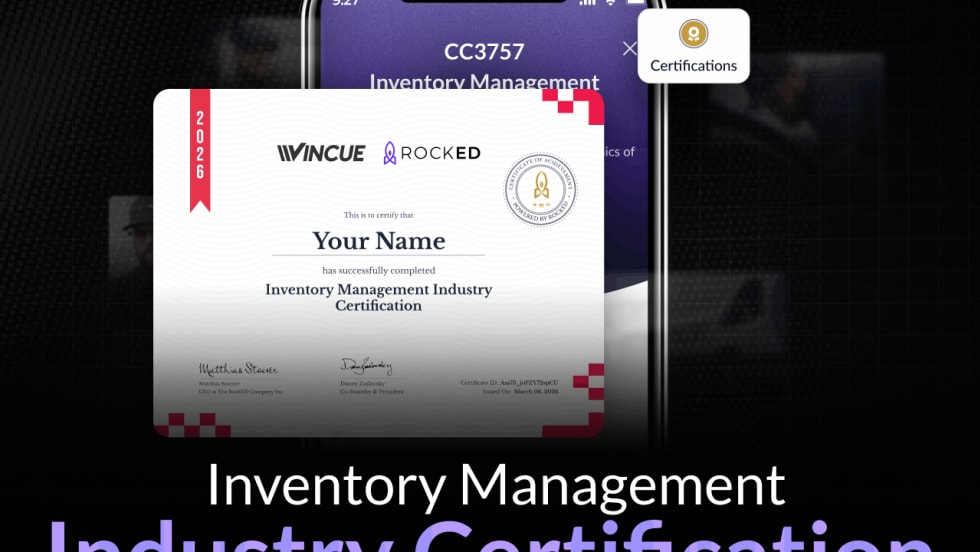
RockED, VINCUE Launch Inventory-Management Industry Certification
Offering for retail automotive dealers and operators is designed to address what the companies say is a lack of standardized and modern thought leadership in vehicle life-cycle management.
Read More →
Survey Shows What Technicians Want
Data gathered by the ASE Training Managers Council shows that service technicians prefer classroom or instructor-led training and hands-on lab work over online or self-led training.
Read More →
Automotive Service Pros Month Shifts to October
ASE is making the change to better align with two other sector observances that take place each year highlighting technicians' key role.
Read More →
Extreme Temps Hinder EV Efficiency
American consumers might be happy to know that their preferred hybrids are slightly less impacted by extreme temperatures than fully electric vehicles, according to a new study.
Read More →