



EV Demand Tepid
Consumer consideration flat amid passel of market drags.

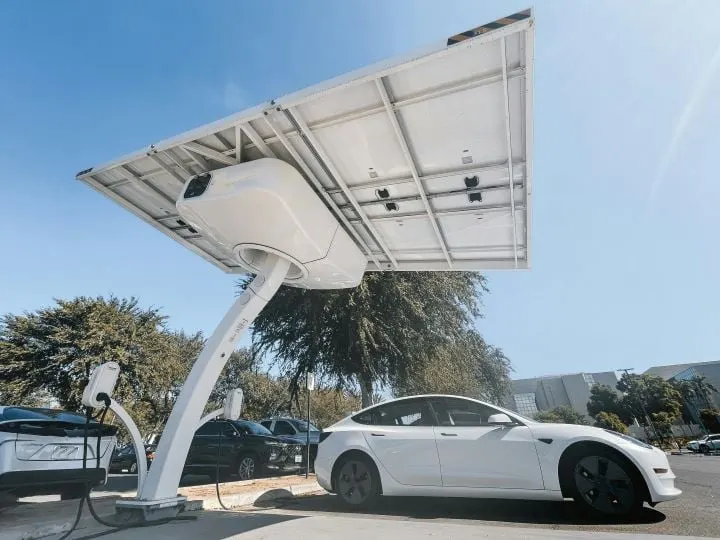
Teslas are losing market share amid an overall flattening of EV demand.
Kindel Media
U.S. electric-vehicle sales grew slowly in March amid a surge in shopping as consumers raced to buy before automotive tariffs took effect, but adoption plans were flat as federal support vanishes.
EV market share rose 1% year-over-year to 9%, J.D. Power reported, but the percentage of consumers in the market for a new car who are very likely to consider an EV was flat at 23%.
The consumer data analytics provider had forecast 9% EV market share this year, or flat results, given Trump administration plans to eliminate federal tax credits and its recent pullback of funding to states for EV charger development. Sparse charger availability, especially in rural areas, is consistently cited by consumers as a major adoption obstacle.
EV demand may also be tempered by recently enacted 25% U.S. tariffs on imported vehicles, along with planned matching tariffs on some auto parts to take effect May 3.
“While trends in demand are shifting geographically, socioeconomically and among individual brands, the industry continues to evolve,” J.D. Power said in its monthly EV market report, without elaborating.
Consumers considering EVs are more likely to be among those with annual incomes exceeding $100,000 and living in the West and Northeast states, J.D. Power said.
In a sign of political polarization, those affiliated as Republican saw a three percentage point drop in likelihood of considering an EV as their next vehicle, or 20% share. Consideration among Democratic consumers was essentially flat at 30%.
In a partially politically influenced trend, U.S. EV market leader Tesla is experiencing losing market share, though it was still tops among brands under consumer consideration at 18% of those somewhat or very likely to choose an EV, down from 21% a year earlier. Just one Tesla model was among the top 10 EVs being considered, the model 3.
Tesla CEO Elon Musk has drawn outrage in some quarters due to his leadership of federal spending and staff cuts. In addition, the Texas-based EV maker has seen declining market share for two years amid rising competition and an aging lineup, J.D. Power said.
More Industry
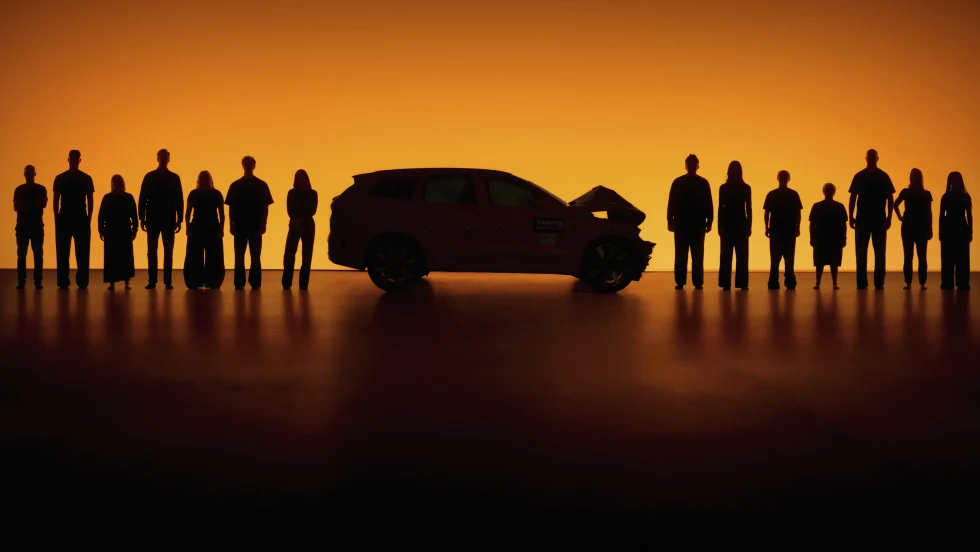
Automaker Advances Safety for All
A new report by Volvo Cars Safety Centre analyzed the impact of 50 years' worth of research in automotive safety development
Read More →
Kentucky Store Leaves Family
An auto group stretched across three states picked up the Lexington-area Ford fixture as its second store for the brand in the state.
Read More →
U.S. Auto Brands Falling Behind
Asian auto brands are outpacing U.S. brands in stateside new-vehicle sales. Learn more in this week's Dealer Debrief with Lauren!
Read More →
U.S. EV Market Update | Dealer Debrief
The U.S. electric vehicle market is slowly recovering from the loss of the federal EV tax credit last fall. Learn more in this week's Dealer Debrief!
Read More →
Auto Finance Numbers Set Records
Third-quarter data show how consumers are adapting to ongoing affordability challenges facing the new- and-used-vehicle markets.
Read More →
Auto Dealerships Can’t Afford to Ignore the 50+ Consumer
Younger generations may be all the buzz today when it comes to product marketing targets, but their older cohorts command a sizable share of purchasing power.
Read More →
Savings Seekers Boost U.S. Automakers’ Rivals
As consumers here look for ways to curb inflation’s affect on their budgets, brands offering plenty of alternative powertrains are closing in on home-grown OEMs.
Read More →
The Slow Electric Ascent
Second-quarter data show that the electric-vehicle market in the U.S. is inching up, the majority of states seeing a month-over-month increase.
Read More →
Safer Rides & Cyberattacks
Vehicle crash testing is getting a virtual boost, but auto dealerships are facing increased cyberattacks. Learn more in this week's Dealer Debrief!
Read More →
Affordability Angst | Dealer Debrief
August saw little relief for car buyers, whether they were shopping new or used. Take a look at the month's breakdown in this week's Dealer Debrief!
Read More →