



EVs Still Lag ICE on Reliability
Annual Consumer Reports survey shows they present far more problems for consumers.


The Toyota 4Runner is ranked as the most reliable brand on Consumer Reports list this year.
IMAGE: Toyota
Electric vehicles, which already face strong adoption obstacles in the U.S. due to their higher prices and limited public charging infrastructure, also carry reliability baggage, based on Consumer Reports’ latest annual survey.
The nonprofit organization, which tests consumer products across many metrics, says the average new EV has 79% more problems than internal-combustion-engine vehicles and that pickup trucks are the least reliable.
Plug-in hybrids, or PHEVs, scored the worst, with 146% more problems than ICE models.
Hybrids, which more Americans favor if they go non-ICE, have 26% fewer problems than ICE on average.
Consumer Reports points out that it makes sense newer auto technology will experience more bumps in the road, so to speak, but said there are signs the segment is making improvements.
“… as our data has consistently shown, reliability-minded consumers would be best served by forgoing brand new vehicles in their first model year,” said its senior director of auto testing, Jake Fisher.
It said charging and battery problems top the list of EVs’ issues, though U.S. market leader Tesla has fewer problems there.
To rank vehicles and automakers, Consumer Reports surveys members about problems they’ve experienced with their vehicles in the previous 12 months to predict reliability of new cars from major mainstream models. This year’s survey covered more than 330,000 vehicles from the 2000 to the 2023 model years, plus a sampling of 2024 models.
Brands topping the ranking this year are Lexus and Toyota as Nos. 1 and 2, and the Toyota 4Runner is the survey’s most reliable model.
For more detail, see Consumer Reports’ auto reliability page.
More Fixed Ops
The Fixed Ops Blind Spot | Dealer Debrief
Customer-pay repair orders only make up about 5% of a service department’s repair orders. Is your dealership missing out on this profitable service?
Read More →
The Fixed Ops Blind Spot
Customer-pay repair orders are profitability drivers for service departments, but many dealerships don't know how much of their business goes to them.
Read More →
ASE Invites Service Centers to Benchmark Performance
ASE Connects is gathering the data for its quarterly service snapshot report, which provides a comparison of service drives across the country.
Read More →
More Cars Recalled in First Half
The six months that kicked off the year saw an extended surge of the number of vehicles recalled, electrical issues leading the way again.
Read More →
California Dealer Group Foundation Partners With ASE
CNCDA Foundation and ASE Connects collaboration is intended to build California's automotive technician workforce.
Read More →
Dealer Debrief: Fixed-Ops Opportunities
In this week's debrief, host Lauren Lawrence discusses maximizing your dealership's profitability with a focus on fixed operations.
Read More →
Dealer Debrief: Technician Apprenticeships
In this week's debrief, host Lauren Lawrence discusses a new grant for service tech apprenticeships and more industry workforce news.
Read More →
ASE Acquires WrenchWay
The auto technician certification nonprofit said the deal expands its role in workforce-development and support for current and future service professionals.
Read More →
TraXtion Introduces TireSpec Website Solution
The company says the offering enables consumers to snap a photo of their tire with a smartphone and receive an instant replacement quote, capturing 90% of tire shoppers who start their shopping online.
Read More →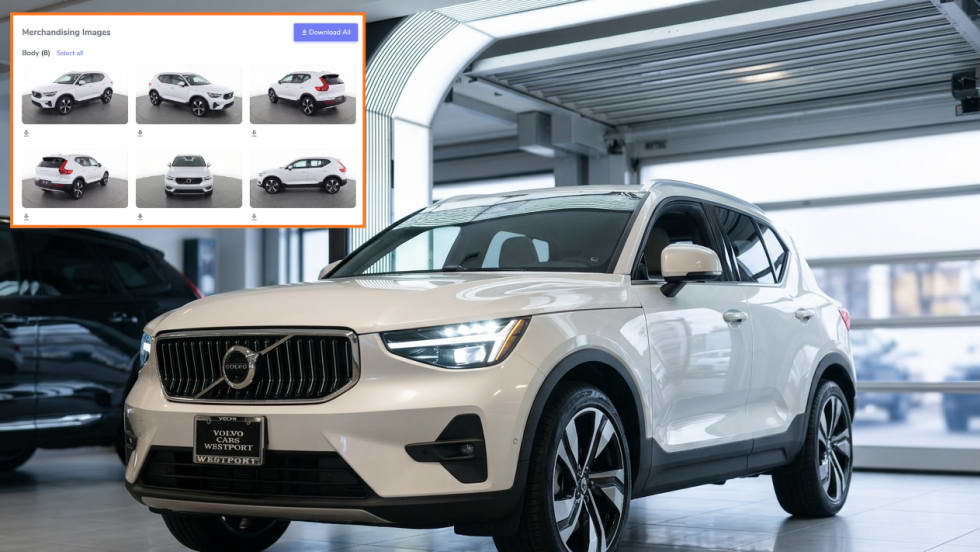
UVeye Launches Same-Day Vehicle Listings for Car Dealers
New 'Scan to Sold' offering turns the service lane into a website-ready merchandising photo booth designed to help dealerships reduce turnaround time from days to minutes.
Read More →