



IIHS Releases Rating Program for Vehicles with Partial Automation
The new rating system requires safeguards that help drivers stay focused and not treat systems, such as Tesla's Autopilot and Volvo's Pilot Assist, as self-driving cars.

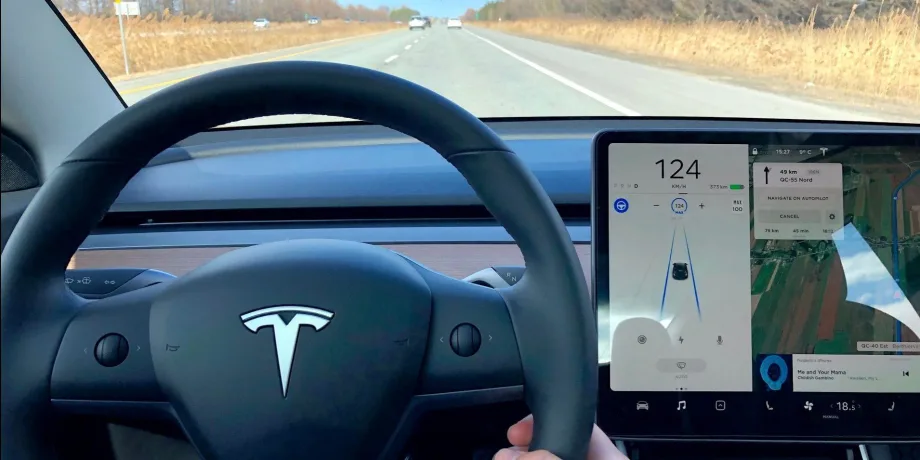
Tesla Autopilot
Tesla
The Insurance Institute for Highway Safety (IIHS) has released a rating program for vehicles with partial automation.
The new rating system requires safeguards that help drivers stay focused and not treat systems, such as Tesla's Autopilot and Volvo's Pilot Assist, as self-driving cars, an IIHS press release said.
Under the rating program, vehicles will receive a rating of either "good," "acceptable," "marginal" or "poor." A "good" rating requires that a car monitors whether drivers keep their hands on the steering wheel and whether they look at the road. The rating also requires that automated lane changes be initiated by the driver and other things.
The IIHS requires the systems to use alerts to remind the driver of this criteria. If the driver fails to respond, the press release reports that the vehicle should slow to a crawl or stop.
Most of today’s semi-automated vehicles do not monitor the hands and automated lane changes. Some manufacturers suggest drivers use partial automation without holding the steering wheel. Other vehicles even allow drivers to use partial automation without wearing a seat belt.
"For some of these things, they are fixes that can be implemented quickly through software," IIHS President David Harkey said. "We are encouraged that the automakers will address some of these problems rather quickly."
While these requirements cannot force drivers to focus, they allow them to take over control quickly if needed, IIHS said.
A noted crash involving partial automation involved a Tesla Model X. Here, the driver was playing a cellphone videogame with autopilot engaged. IIHS hopes the new safeguards will prevent similar crashes.
The new criteria set a standard for safety and will change how automakers and customers talk about partial automation. Automakers must change how they market the systems, says Harkey, but drivers must use them safely, too.
IIHS expects to issue the first set of ratings in 2022, but supply chain issues have made vehicles difficult to obtain for testing.
Consumer Reports, an influential organization that tests vehicles, has warned that research shows human drivers are less likely to pay attention to automated tasks, even if they understand the automation isn't perfect.
The organization reports its testing found flaws in Tesla, BMW and Subaru's driver monitoring systems.
Initially, only Ford and General Motors will earn additional points in its 2022 vehicle ratings next month for driver monitoring systems, reported Consumer Reports. These systems prevented a driver from using active driving assistance when they stopped looking at the road, the organization reported.
NTSB Chair Jennifer Homendy praised the new IIHS rating program as "a meaningful step" toward more informed consumers and safer roads.
More Dealer Ops

How to Avoid Phone Scams | Dealer Debrief 09/10/2026
Are you taking the necessary steps to protect your dealership and customer data from phone-based scams? This week's Dealer Debrief breaks down how!
Read More →
Dealer Debrief: August Auto Sales
Gas-powered engines still dominate the U.S. vehicle market, but hybrids are gaining ground as consumers look for ways to cut their gas costs.
Read More →
Dealership Profits Decline
While new and used retail sales stagnated, dealerships have been particularly supported by fixed operations and finance-and-insurance profits, according to a new report.
Read More →
Dealer Debrief: Defection Data & EV Updates
In this week's debrief, host Lauren Lawrence discusses how to use defection data to your advantage and the latest on EV sales and charging infrastructure.
Read More →
How Defection Data is Bridging the Dealership Conversion Gap
Lead volume is flat, cross-shopping is up and brand loyalty is in retreat. As confident sales teams keep losing buyers they thought they had, daily industry sales data is showing dealers exactly where their funnel is breaking and how to fix it without buying a single new lead.
Read More →
Dealer Debrief: Where are you losing customers?
In this week's debrief, host Lauren Lawrence discusses the hidden leaks in dealerships where you might be losing customers without even realizing it.
Read More →
Dealer Debrief: Improving Your Inventory Management
In this week's debrief, host Lauren Lawrence covers a new survey that shows what service technicians really want and two launches that could help improve your inventory and vehicle life cycle management.
Read More →
Ladies and Gentlemen, This Is a Dealership: Why the Fundamentals Still Decide Who Wins
A teaching moment by a legendary football coach happens to apply perfectly in the auto retail space. Learn what it is and how to use it to your store’s advantage.
Read More →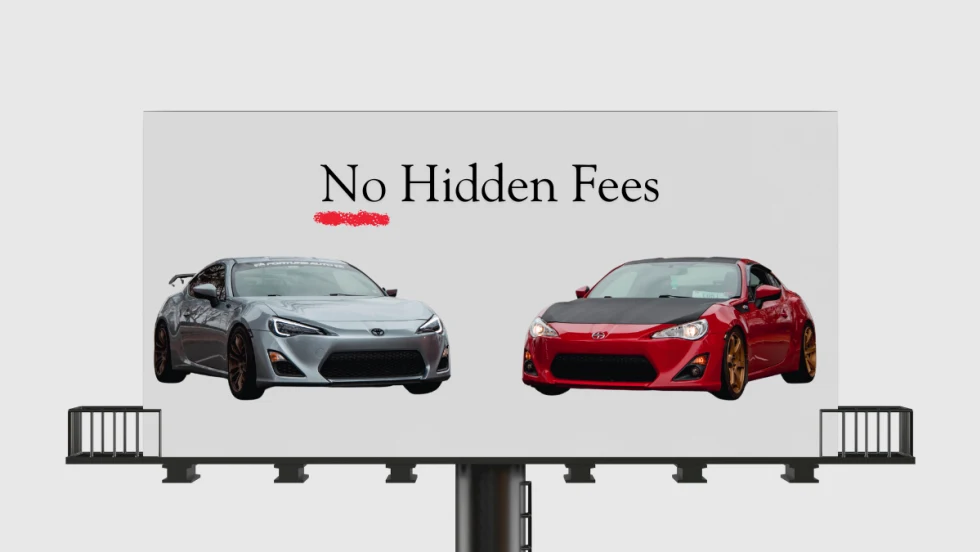
Dealer Ads and the FTC
The agency has made it clear in recent enforcement actions and warnings, in auto retail and other industries, that advertised prices must include all nonoptional costs to the consumer.
Read More →
Used Autos Supply Dwindles
The March shopping surge, despite high prices, cut into inventory by the most since the thick of the pandemic, Cox Automotive analysts calculated.
Read More →