



Most Drivers Would Accept Speed-Warning Tech
Survey shows passive warnings to curb growing fatalities would fly, as would stronger measures.


Surprisingly, about half of survey respondents even said they wouldn’t resist the much more encroaching automatic speed restrictors, or technology that makes it harder to put the pedal to the floor.
Pexels/Pixabay
A recent survey found that a majority of consumers would accept in-vehicle speed warnings in their cars.
The nonprofit Insurance Institute for Highway Safety conducted the poll after recent calls to require the technology in new vehicles, including a California state bill currently under consideration. Safety groups including the National Highway Traffic Safety Administration of the federal government, say they’re needed to help curtail growth in high-speed fatalities and reckless driving.
IIHS said that more than 60% of survey respondents would find the warning technology acceptable in their vehicles. About half even said they wouldn’t resist the much more encroaching automatic speed restrictors or technology that makes it harder to put the pedal to the floor.
“These findings are exciting because they suggest American drivers are willing to change how they drive to make our roads safer,” IIHS President David Harkey said in a press release on the survey results. “The conventional wisdom has always been that speed-restricting technology would never fly in our car-centric culture.”
The group cited a NHTSA statistic of more than 12,000 speed-related U.S. crashes in 2022 and an AAA Foundation for Traffic Safety poll that found about half of drivers say they drove at least 15 mph over speed limits within a month of the poll.
“We can no longer pretend this is an unsolvable problem,” said IIHS Senior Research Scientist Ian Reagan, who designed the survey about intelligent speed assistance. “With the technologies we have now, we could stop virtually all speeding and eliminate speeding tickets to boot. Instead, we seem to be going the opposite direction, with adaptive cruise control and partial automation systems that allow drivers to peg their speed at 90 mph if they want.”
What are known variously as passive speed limiters, passive speed governors or Intelligent Speed Assistance are audible and visual warning signals when vehicle speed exceeds posted limits. The technology is gaining traction. Starting next month, the European Union will require the technology in vehicles sold on the continent.
More Industry
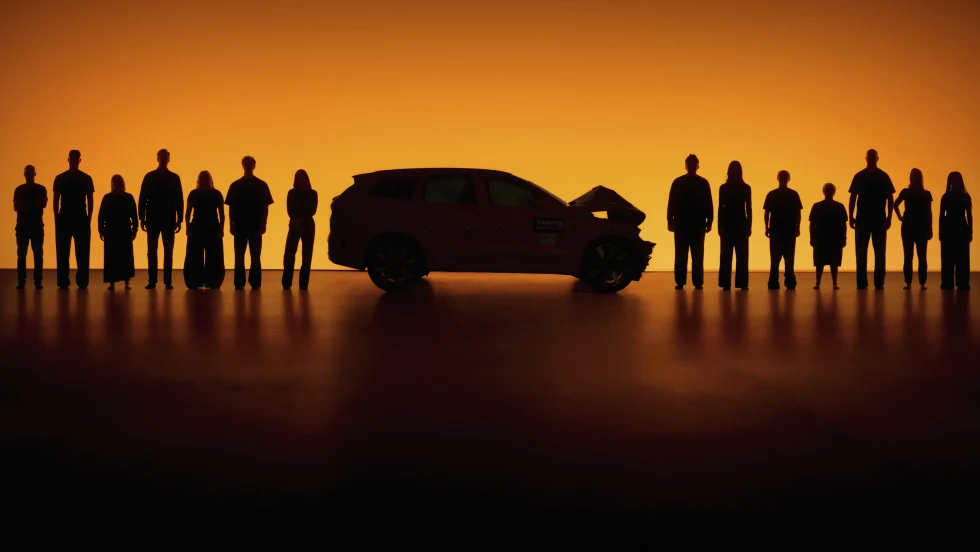
Automaker Advances Safety for All
A new report by Volvo Cars Safety Centre analyzed the impact of 50 years' worth of research in automotive safety development
Read More →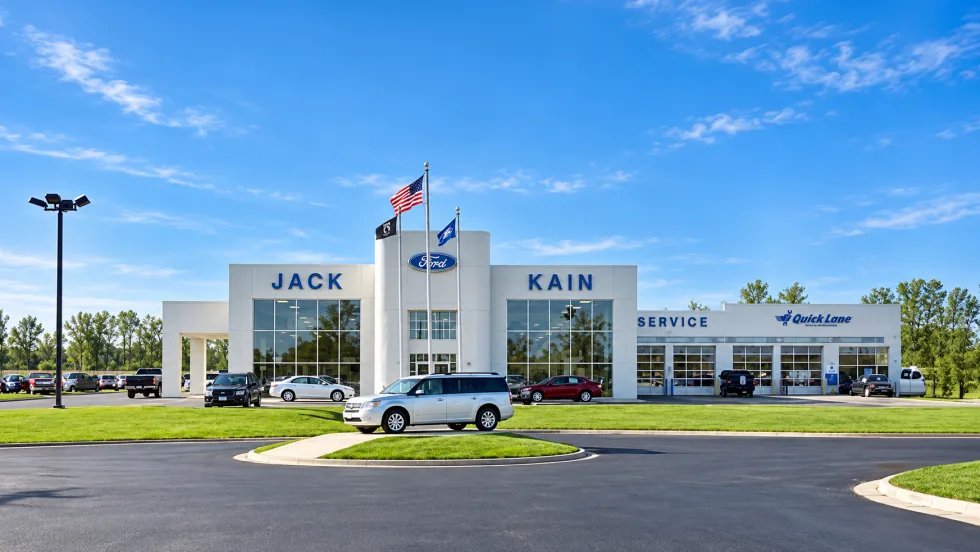
Kentucky Store Leaves Family
An auto group stretched across three states picked up the Lexington-area Ford fixture as its second store for the brand in the state.
Read More →
U.S. Auto Brands Falling Behind
Asian auto brands are outpacing U.S. brands in stateside new-vehicle sales. Learn more in this week's Dealer Debrief with Lauren!
Read More →
U.S. EV Market Update | Dealer Debrief
The U.S. electric vehicle market is slowly recovering from the loss of the federal EV tax credit last fall. Learn more in this week's Dealer Debrief!
Read More →
Auto Finance Numbers Set Records
Third-quarter data show how consumers are adapting to ongoing affordability challenges facing the new- and-used-vehicle markets.
Read More →
Auto Dealerships Can’t Afford to Ignore the 50+ Consumer
Younger generations may be all the buzz today when it comes to product marketing targets, but their older cohorts command a sizable share of purchasing power.
Read More →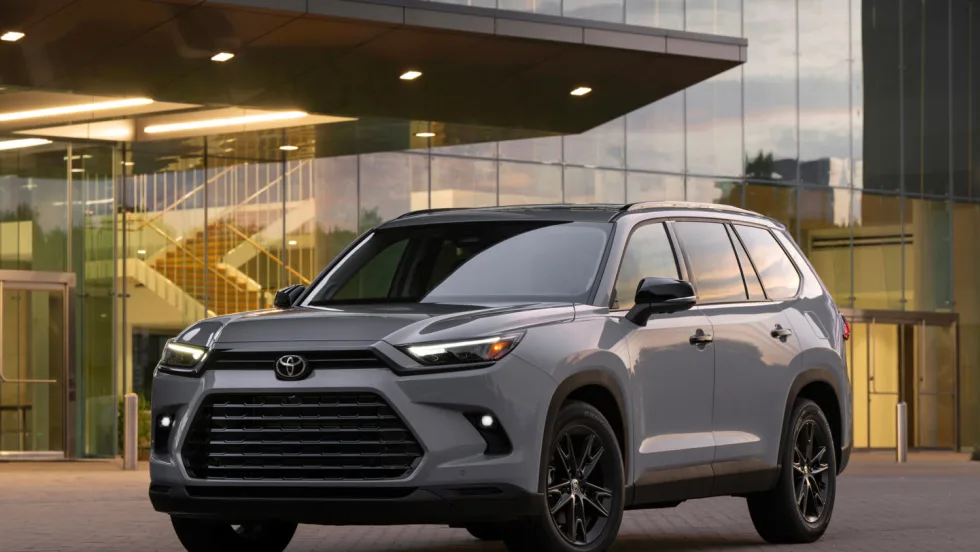
Savings Seekers Boost U.S. Automakers’ Rivals
As consumers here look for ways to curb inflation’s affect on their budgets, brands offering plenty of alternative powertrains are closing in on home-grown OEMs.
Read More →
The Slow Electric Ascent
Second-quarter data show that the electric-vehicle market in the U.S. is inching up, the majority of states seeing a month-over-month increase.
Read More →
Safer Rides & Cyberattacks
Vehicle crash testing is getting a virtual boost, but auto dealerships are facing increased cyberattacks. Learn more in this week's Dealer Debrief!
Read More →
Affordability Angst | Dealer Debrief
August saw little relief for car buyers, whether they were shopping new or used. Take a look at the month's breakdown in this week's Dealer Debrief!
Read More →