



Nissan Fleet Initiative Expands Dealer-Based Ordering
Nissan is making it easier for commercial fleets to acquire vehicles outside of annual purchasing cycles with its Fleetail 2.0 program that will expedite orders of less than 50 vehicles to commercial fleets and fleet management companies.
Nissan is making it easier for commercial fleets to acquire vehicles outside of annual purchasing cycles with its Fleetail 2.0 program. It is designed to expedite orders of less than 50 vehicles to commercial fleets and fleet management companies.
While the program will most likely be used by smaller fleets, larger fleets can benefit by collecting full incentives for a "spot buy," when a fleet needs to purchase vehicles quickly outside of an annual budgeting and procurement cycle.
Fleetail 2.0 — the first iteration began with the introduction of the NV for the 2012-MY — relies on dealer trades to enable sales of smaller lots of vehicles. It also ensures fleets receive the "street" or published incentive as well as any additional corporate tiered incentives based on volume purchasing.
The initial program was only available on NV models and only to Nissan’s Business Certified Dealerships. Business Certified is a program designed to assist commercial focused dealerships in catering to the commercial customer needs. It functions similarly to General Motors' Business Elite program or Ram Commercial's BusinessLink programs. However the Fleetail 2.0 program sets it apart from the other domestic commercial programs.
Nissan is launching the dealer-based program in tandem with its diesel-powered Titan XD, which arrived in late 2015. Nissan is hoping the heavier light-duty truck will grow its commercial business, which has relied on sales of its Nissan NV and NV200 vans.
"It's the perfect program for Titan," said Mark Namuth, senior manager for commercial vehicle sales. "When you look at Titan buyers, those guys are construction companies. They get a new contract, and they need 20 trucks right away."
The program will also benefit larger fleets with regional businesses that prefer to purchase through dealerships.
Pharmaceutical companies who hire additional sales reps during the year could also benefit from the program if they need to add additional Rogue compact SUVs in the middle of a fiscal year, Namuth said.
Fleets who participate in the program are enrolled in the program and given a Fleet Certification Number, so they can place their orders at dealers. Orders above 50 units typically would be sent to Nissan corporate as a factory order.
The program groups orders into a tiered hierarchy based on size. Customers ordering two to 15 cars would be considered Tier 1. Additional tiers are available for larger buys and receive larger incentives. For larger fleets and fleet management companies, the program will shorten order-to-delivery times, Namuth said. Nissan's entire vehicle lineup is eligible, except for the GT-R.
"This program is all about getting the customer the right incentive and the right vehicles out of dealer stock for quick delivery," Namuth said. "Dealers like to swap cars. With the Fleetail program, we're encouraging our dealers to be more engaged with one another. If you help your neighbor that guy will return the favor when you need 10 units."
In the past, such transactions have been stymied because dealers have wanted to sell Nissan vehicles as retail transactions so they wouldn't have to give up incentives. Under Fleetail, Nissan makes dealers whole with all applicable dealer incentives in place."
Since the first iteration of the program, Nissan has been beefing up its fleet sales efforts. The company now has 11 fleet sales associates into the North American market. These fleet sales reps work directly with the fleet management companies, and will coordinate Fleetail sales with a commercial dealership.
Nissan has also hired 10 commercial advisers as consultants to its more than 400 Business Certified dealerships. These dealerships also employ a commercial vehicle account manager responsible for prospecting for commercial deals.
Nissan officially launched Fleetail 2.0 on Dec. 1. A third-party managed website for the program went live in January.
Originally posted on F&I and Showroom
More Dealer Ops
How to Avoid Phone Scams | Dealer Debrief 09/10/2026
Are you taking the necessary steps to protect your dealership and customer data from phone-based scams? This week's Dealer Debrief breaks down how!
Read More →
Dealer Debrief: August Auto Sales
Gas-powered engines still dominate the U.S. vehicle market, but hybrids are gaining ground as consumers look for ways to cut their gas costs.
Read More →
Dealership Profits Decline
While new and used retail sales stagnated, dealerships have been particularly supported by fixed operations and finance-and-insurance profits, according to a new report.
Read More →
Dealer Debrief: Defection Data & EV Updates
In this week's debrief, host Lauren Lawrence discusses how to use defection data to your advantage and the latest on EV sales and charging infrastructure.
Read More →
How Defection Data is Bridging the Dealership Conversion Gap
Lead volume is flat, cross-shopping is up and brand loyalty is in retreat. As confident sales teams keep losing buyers they thought they had, daily industry sales data is showing dealers exactly where their funnel is breaking and how to fix it without buying a single new lead.
Read More →
Dealer Debrief: Where are you losing customers?
In this week's debrief, host Lauren Lawrence discusses the hidden leaks in dealerships where you might be losing customers without even realizing it.
Read More →
Dealer Debrief: Improving Your Inventory Management
In this week's debrief, host Lauren Lawrence covers a new survey that shows what service technicians really want and two launches that could help improve your inventory and vehicle life cycle management.
Read More →
Ladies and Gentlemen, This Is a Dealership: Why the Fundamentals Still Decide Who Wins
A teaching moment by a legendary football coach happens to apply perfectly in the auto retail space. Learn what it is and how to use it to your store’s advantage.
Read More →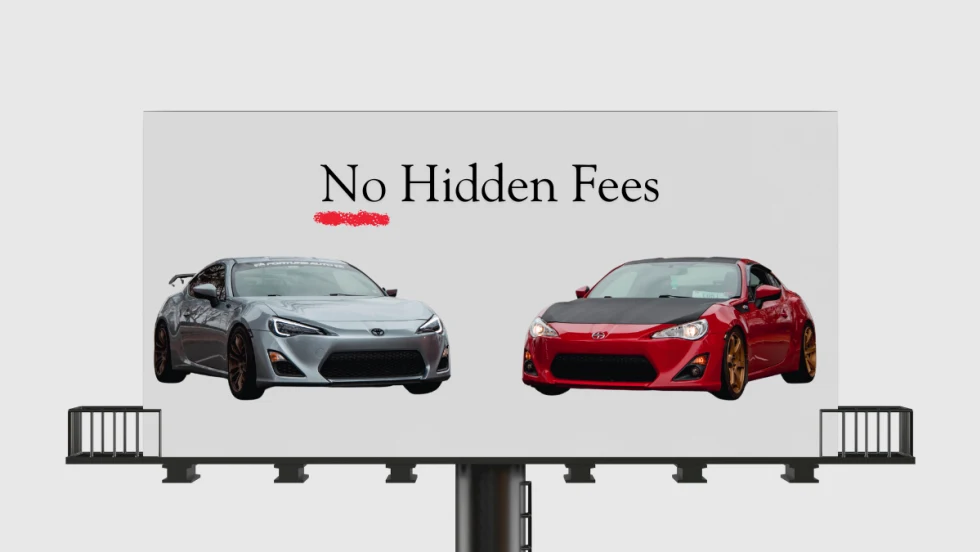
Dealer Ads and the FTC
The agency has made it clear in recent enforcement actions and warnings, in auto retail and other industries, that advertised prices must include all nonoptional costs to the consumer.
Read More →
Used Autos Supply Dwindles
The March shopping surge, despite high prices, cut into inventory by the most since the thick of the pandemic, Cox Automotive analysts calculated.
Read More →