



Partial Automation Doesn’t Add to Safety
Research shows systems don’t prevent crashes and could even cause them.


The systems use cameras and sensors to propel a vehicle on the road and avoid other vehicles, but IIHS said they can’t handle many of the everyday traffic scenarios that people can.
Pexels/Erik McIean
New research has found that partially automated vehicle systems do little if anything to prevent crashes.
The Insurance Institute for Highway Safety said a combination of crash data, insurance records, and its own studies of vehicles led it to conclude that the systems essentially amount to convenience features rather than safety ones.
The systems use cameras and sensors to propel a vehicle on the road and avoid other vehicles, but IIHS said they can’t handle many of the everyday traffic scenarios that people can, so drivers have to closely monitor progress in order to take over if needed. Yet the systems can lull drivers into a false sense of security, potentially reducing their attention on what’s taking place.
Following up on research it conducted in 2021, IIHS examined BMW and Nissan vehicles with the systems in a new study, finding that they don’t provide added safety on the road. Vehicles studied were 5 to 11 years old, and IIHS said it’s possible newer systems could be more effective, but it theorized that data already amassed for such technology already gives an accurate picture of its safety capabilities.
“At a minimum, safeguards like those IIHS promotes through its rating program are essential to reduce the risks that drivers will zone out or engage in other distracting activities while partial automation is switched on,” said IIHS Senior Vice President for Research Jessica Cicchino.
Over half of new vehicle models on the market last year came with partial automation as either standard or optional, the nonprofit group said. That’s despite the crashes that have happened while the systems were in use.
It distinguishes the partially automated features, which must be turned on and are typically used only on highways, from purely crash-avoidance features like automated emergency braking and lane-departure warnings, which activate only when danger arises.
LEARN MORE: NHTSA Probes Fatal Tesla Crash
More Industry
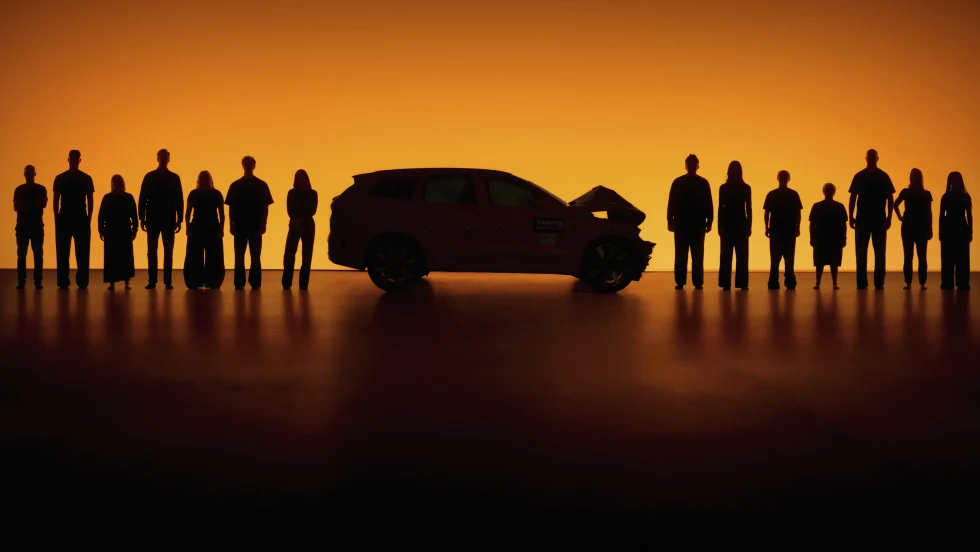
Automaker Advances Safety for All
A new report by Volvo Cars Safety Centre analyzed the impact of 50 years' worth of research in automotive safety development
Read More →
Kentucky Store Leaves Family
An auto group stretched across three states picked up the Lexington-area Ford fixture as its second store for the brand in the state.
Read More →
U.S. Auto Brands Falling Behind
Asian auto brands are outpacing U.S. brands in stateside new-vehicle sales. Learn more in this week's Dealer Debrief with Lauren!
Read More →
U.S. EV Market Update | Dealer Debrief
The U.S. electric vehicle market is slowly recovering from the loss of the federal EV tax credit last fall. Learn more in this week's Dealer Debrief!
Read More →
Auto Finance Numbers Set Records
Third-quarter data show how consumers are adapting to ongoing affordability challenges facing the new- and-used-vehicle markets.
Read More →
Auto Dealerships Can’t Afford to Ignore the 50+ Consumer
Younger generations may be all the buzz today when it comes to product marketing targets, but their older cohorts command a sizable share of purchasing power.
Read More →
Savings Seekers Boost U.S. Automakers’ Rivals
As consumers here look for ways to curb inflation’s affect on their budgets, brands offering plenty of alternative powertrains are closing in on home-grown OEMs.
Read More →
The Slow Electric Ascent
Second-quarter data show that the electric-vehicle market in the U.S. is inching up, the majority of states seeing a month-over-month increase.
Read More →
Safer Rides & Cyberattacks
Vehicle crash testing is getting a virtual boost, but auto dealerships are facing increased cyberattacks. Learn more in this week's Dealer Debrief!
Read More →
Affordability Angst | Dealer Debrief
August saw little relief for car buyers, whether they were shopping new or used. Take a look at the month's breakdown in this week's Dealer Debrief!
Read More →