



Pilot Program Meant to Improve Roadway Safety
Honda and the Ohio Department of Transportation achieved highly accurate results with their pilot project the Honda Proactive Roadway Maintenance System that concluded this year.

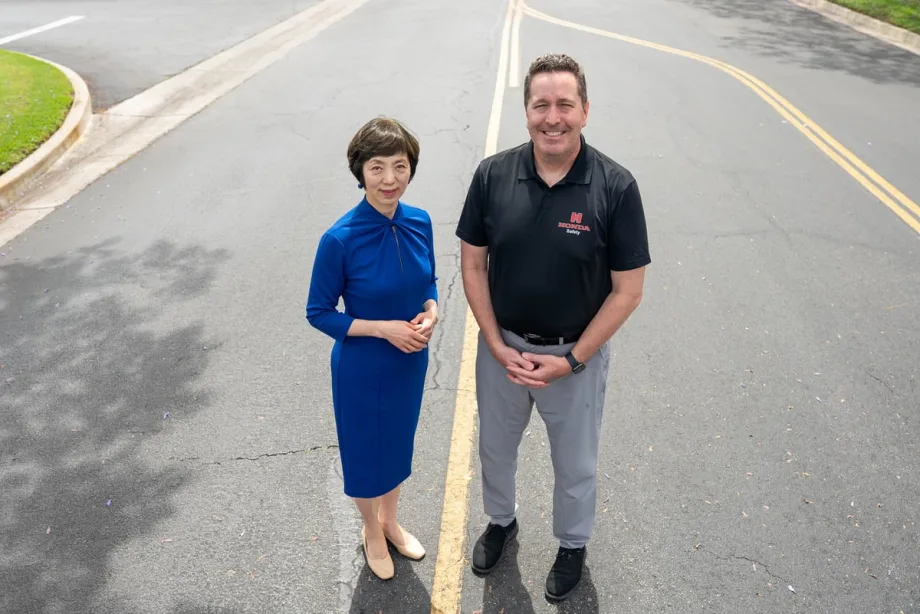
Honda chief engineer Sue Bai and director of Safety Strategy Brian Bautsch recently held a conversation about the potential future of the roadway safety system.
Honda
- Honda collaborated with the Ohio Department of Transportation on a pilot project for road safety improvements.
- The project, called the Honda Proactive Roadway Maintenance System, concluded this year.
- The initiative achieved highly accurate results in enhancing roadway safety.
*Summarized by AI
A roadway safety pilot project led by Honda and the Ohio Department of Transportation (ODOT) produced positive results, and the automaker is hopeful that other states and manufacturers will join the initiative to create safer roads.
The Honda Proactive Roadway Maintenance System used real-time vehicle-generated data to detect and report road deficiencies. ODOT team members drove Honda test vehicles across approximately 3,000 miles of roads in central and southeastern Ohio under a wide range of real-world conditions including rural and urban environments, various weather conditions and different times of the day. The test vehicles were equipped with advanced vision and LiDAR sensors that monitored the road conditions like road signs, guardrails and potholes.
Honda said that the results were highly accurate with a 99% accuracy detecting damaged or obstructed signs, 93% accuracy for damaged guardrails and 89% average accuracy for potholes.
“When deficiencies were detected, AI-processed data flowed automatically to ODOT dashboards, where work orders were generated and prioritized by the severity of the issue — without a crew needing to drive around to look for problems,” said Honda chief engineer Sue Bai.
“Our project team estimates that scaled deployment could save ODOT more than $4.5 million a year!”
More importantly, the system could produce better safety outcomes for drivers as well as the people performing road work, Bai said. With the system detecting the damage, the risk of manual inspections diminishes.
According to the director of Safety Strategy for Honda Brian Bautsch, the automaker is in active conversations with other states about expanding the system to their transportation departments.
“We can imagine other manufacturers with similar safety and driver assistance technologies in their vehicles joining this effort in the future,” said Bai.
Honda isn't the only company with a pilot program detecting road hazards. Autonomous vehicle company Waymo partnered with navigation provider Waze to detect and provide up-to-date information on potholes where Waymo operates.
The data will be visible to Waze users, as well as cities and state transportation departments alongside user-reported pothole information. And Waze application users will be able to verify the Waymo-reported potholes, which the companies say will increase the data's accuracy.
The pilot program will launch in the San Francisco Bay, Los Angeles, Phoenix, Austin and Atlanta metro areas with the intention to expand to more cities.
More Industry
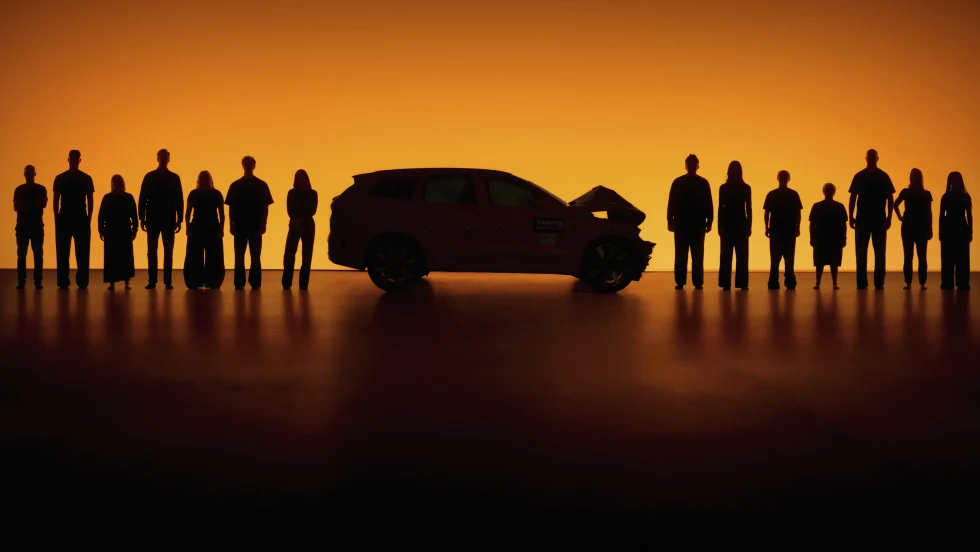
Automaker Advances Safety for All
A new report by Volvo Cars Safety Centre analyzed the impact of 50 years' worth of research in automotive safety development
Read More →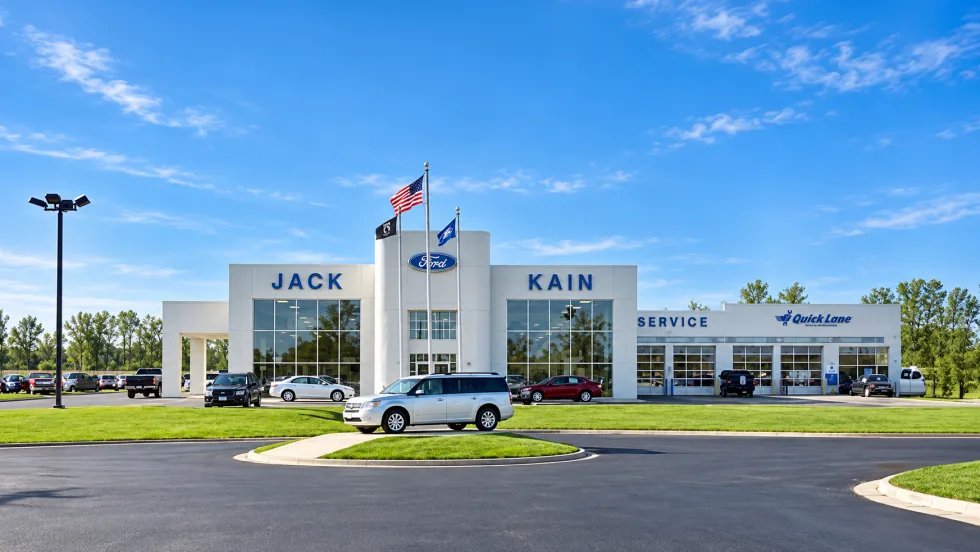
Kentucky Store Leaves Family
An auto group stretched across three states picked up the Lexington-area Ford fixture as its second store for the brand in the state.
Read More →
U.S. Auto Brands Falling Behind
Asian auto brands are outpacing U.S. brands in stateside new-vehicle sales. Learn more in this week's Dealer Debrief with Lauren!
Read More →
U.S. EV Market Update | Dealer Debrief
The U.S. electric vehicle market is slowly recovering from the loss of the federal EV tax credit last fall. Learn more in this week's Dealer Debrief!
Read More →
Auto Finance Numbers Set Records
Third-quarter data show how consumers are adapting to ongoing affordability challenges facing the new- and-used-vehicle markets.
Read More →
Auto Dealerships Can’t Afford to Ignore the 50+ Consumer
Younger generations may be all the buzz today when it comes to product marketing targets, but their older cohorts command a sizable share of purchasing power.
Read More →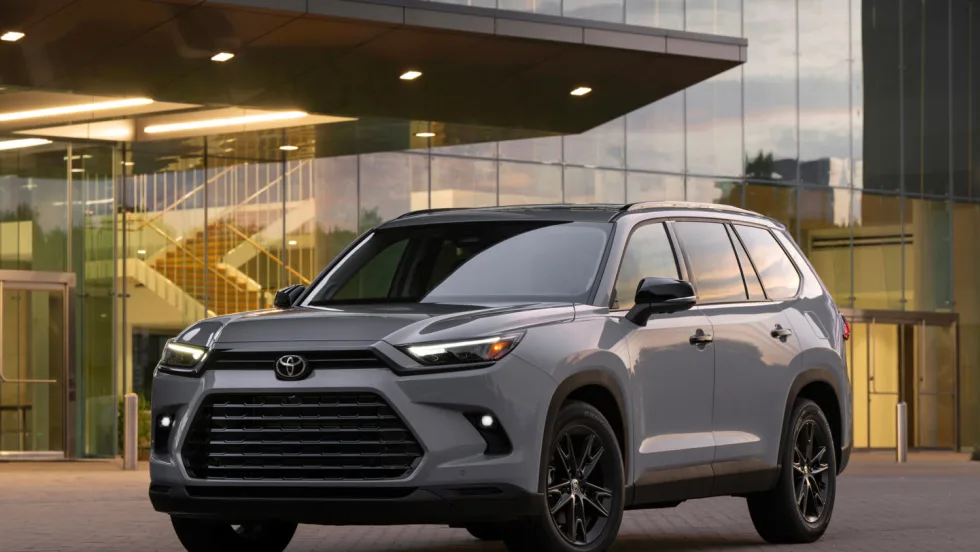
Savings Seekers Boost U.S. Automakers’ Rivals
As consumers here look for ways to curb inflation’s affect on their budgets, brands offering plenty of alternative powertrains are closing in on home-grown OEMs.
Read More →
The Slow Electric Ascent
Second-quarter data show that the electric-vehicle market in the U.S. is inching up, the majority of states seeing a month-over-month increase.
Read More →
Safer Rides & Cyberattacks
Vehicle crash testing is getting a virtual boost, but auto dealerships are facing increased cyberattacks. Learn more in this week's Dealer Debrief!
Read More →
Affordability Angst | Dealer Debrief
August saw little relief for car buyers, whether they were shopping new or used. Take a look at the month's breakdown in this week's Dealer Debrief!
Read More →