



Rival Automakers Developing Alt-Fuel Engines
Japanese companies announce project to transform ICE technology.

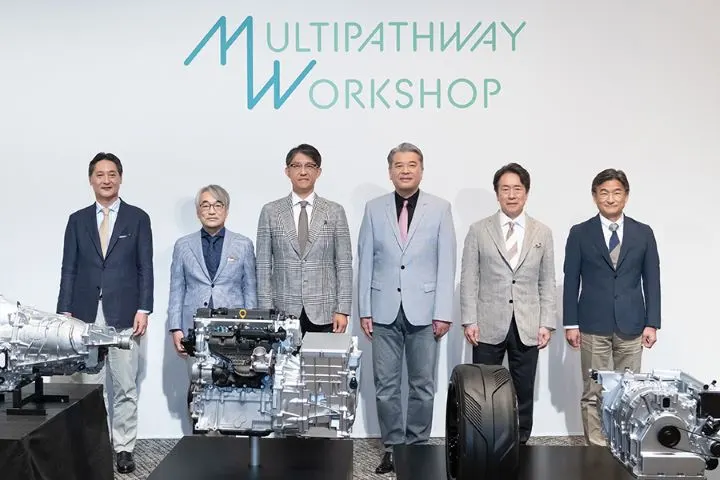
The companies called their technology 'highly efficient and powerful,' and that the more compact engines would make space for improved, more aerodynamic vehicle design, along with greater fuel efficiency.
Toyota
Three Japanese automakers said they’re developing internal-combustion engines to support low emissions as they seek to achieve net-zero pollution.
Mazda, Subaru and Toyota announced the project at a press conference Tuesday, saying they’re working to integrate the engine technology with motors, batteries and “other electric drive units.”
They said the more compact engines will use carbon-neutral fuels in order to “decarbonize” ICE.
The effort aligns with Toyota’s resistance to putting all of its power train eggs in one basket, particularly under former CEO Akio Toyoda, who stepped down and took the chairman role last year, though its new CEO, Koji Sato, quickly set the opposite target. The developing technology may be a way to split the difference and achieve carbon neutralily at the same time. It has lately appeared prescient as electric-vehicle adoption has flattened and hybrid sales taken off.
The three automakers said they’ve tested alternative fuels through their racing teams, including liquid hydrogen, and that the new engines would be compatible with those. Toyota said they will seek to integrate the developing technology with electric technology.
“This process has clarified the role that future engines will play in achieving carbon neutrality,” Toyota said in a press release. “With the next generation of engines, the three companies will seek to not only improve standalone engine performance but also optimize their integration with electric drive units, harnessing the advantages of each.”
The companies called their technology “highly efficient and powerful,” and that the more compact engines would make space for improved, more aerodynamic vehicle design, along with greater fuel efficiency.
“Even as Subaru, Toyota, and Mazda compete in the product arena with unique engines and cars, the companies have a shared dedication to achieving carbon neutrality through a multi-pathway approach,” the press release said.
More Industry
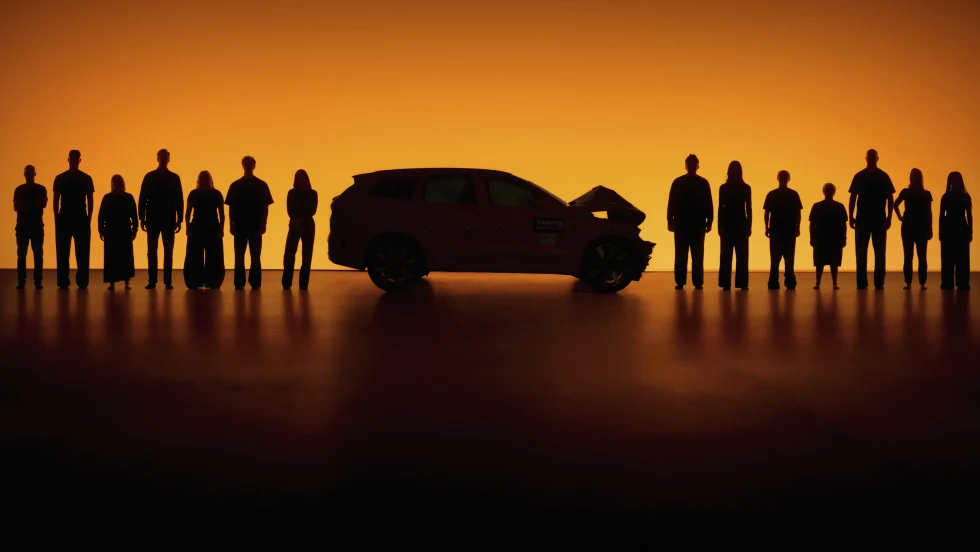
Automaker Advances Safety for All
A new report by Volvo Cars Safety Centre analyzed the impact of 50 years' worth of research in automotive safety development
Read More →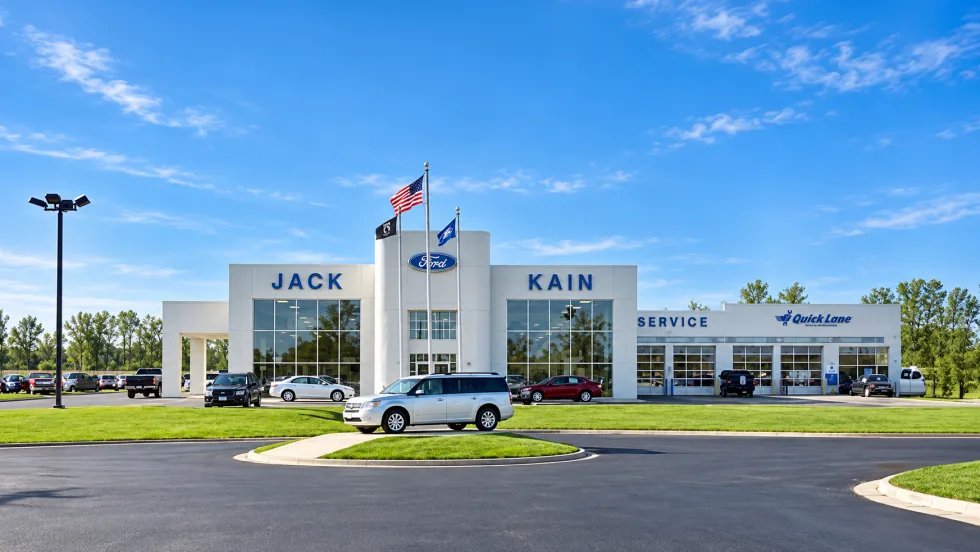
Kentucky Store Leaves Family
An auto group stretched across three states picked up the Lexington-area Ford fixture as its second store for the brand in the state.
Read More →
U.S. Auto Brands Falling Behind
Asian auto brands are outpacing U.S. brands in stateside new-vehicle sales. Learn more in this week's Dealer Debrief with Lauren!
Read More →
U.S. EV Market Update | Dealer Debrief
The U.S. electric vehicle market is slowly recovering from the loss of the federal EV tax credit last fall. Learn more in this week's Dealer Debrief!
Read More →
Auto Finance Numbers Set Records
Third-quarter data show how consumers are adapting to ongoing affordability challenges facing the new- and-used-vehicle markets.
Read More →
Auto Dealerships Can’t Afford to Ignore the 50+ Consumer
Younger generations may be all the buzz today when it comes to product marketing targets, but their older cohorts command a sizable share of purchasing power.
Read More →
Savings Seekers Boost U.S. Automakers’ Rivals
As consumers here look for ways to curb inflation’s affect on their budgets, brands offering plenty of alternative powertrains are closing in on home-grown OEMs.
Read More →
The Slow Electric Ascent
Second-quarter data show that the electric-vehicle market in the U.S. is inching up, the majority of states seeing a month-over-month increase.
Read More →
Safer Rides & Cyberattacks
Vehicle crash testing is getting a virtual boost, but auto dealerships are facing increased cyberattacks. Learn more in this week's Dealer Debrief!
Read More →
Affordability Angst | Dealer Debrief
August saw little relief for car buyers, whether they were shopping new or used. Take a look at the month's breakdown in this week's Dealer Debrief!
Read More →