



Traffic Trends Worsen for Some
TomTom reviewed nearly 500 major cities around the world for its annual Global Traffic Index, finding that congestion levels and travel time ticked up in some cities.


Los Angeles, Calif., has the highest congestion level in the country, but its traffic moves quickly based on 2025 data.
Canva
Software development and satellite navigation company TomTom reviewed nearly 500 cities for its annual Global Traffic Index and found that traffic or congestion is going from bad to worse.
The company measured both congestion level and travel time per kilometer. Congestion level is tabulated by how much traffic slows a road network, comparing ideal free-flow travel times with real-world average travel times. Major cities, like San Francisco, experienced increased travel time compared to 2024. But 125 cities, including New Orleans, saw improvements in congestion level.
Many cities have made changes that can impact free-flow travel times, such as lowering speed limits, adding bicycle lanes and upgrading infrastructure. Of the cities with eased congestion levels, only 24 had reduced their average travel time per kilometer, and just 11 had reduced their free-flow travel times.
“If actual travel times stay the same while free-flow times rise, congestion levels will appear to decrease — not because roads are moving faster, but because infrastructure changes have reduced the difference between free-flow and actual travel times,” said TomTom.
Notably, New York City saw a 1%, or two-second, reduction in travel time per kilometer last year. The index credits the change to a new congestion charge for drivers entering the city, as well as improved cycling infrastructure. Drivers pay a fee, based on the time and duration of their visit and their vehicle type, to enter lower Manhattan between the southern end of Central Park and the city’s financial district.
Three U.S. cities saw travel times worsen: Syracuse by about 9%, Minneapolis by about 7%, and San Francisco, also by about 7%. Los Angeles had the highest congestion level, but its traffic moved quickly, according to the index.
More Industry

Automaker Advances Safety for All
A new report by Volvo Cars Safety Centre analyzed the impact of 50 years' worth of research in automotive safety development
Read More →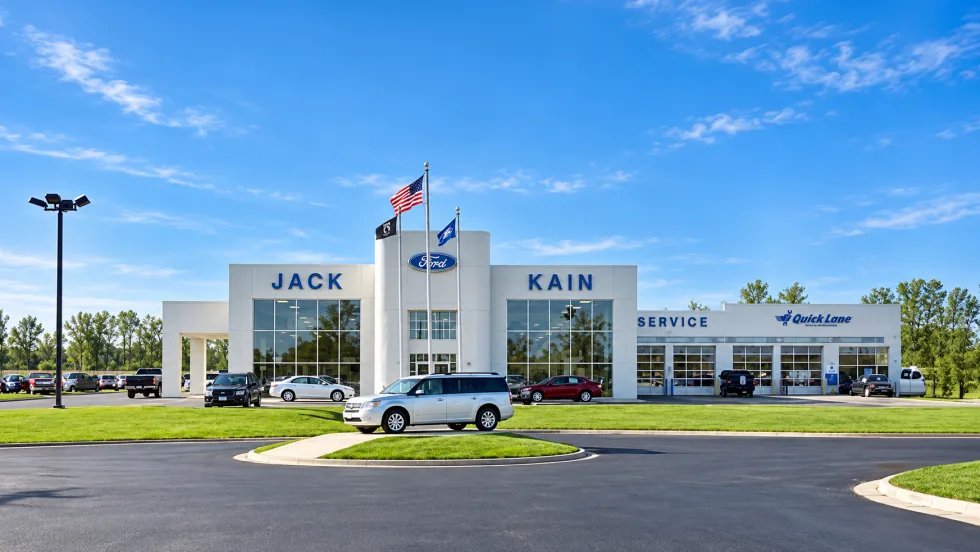
Kentucky Store Leaves Family
An auto group stretched across three states picked up the Lexington-area Ford fixture as its second store for the brand in the state.
Read More →
U.S. Auto Brands Falling Behind
Asian auto brands are outpacing U.S. brands in stateside new-vehicle sales. Learn more in this week's Dealer Debrief with Lauren!
Read More →
U.S. EV Market Update | Dealer Debrief
The U.S. electric vehicle market is slowly recovering from the loss of the federal EV tax credit last fall. Learn more in this week's Dealer Debrief!
Read More →
Auto Finance Numbers Set Records
Third-quarter data show how consumers are adapting to ongoing affordability challenges facing the new- and-used-vehicle markets.
Read More →
Auto Dealerships Can’t Afford to Ignore the 50+ Consumer
Younger generations may be all the buzz today when it comes to product marketing targets, but their older cohorts command a sizable share of purchasing power.
Read More →
Savings Seekers Boost U.S. Automakers’ Rivals
As consumers here look for ways to curb inflation’s affect on their budgets, brands offering plenty of alternative powertrains are closing in on home-grown OEMs.
Read More →
The Slow Electric Ascent
Second-quarter data show that the electric-vehicle market in the U.S. is inching up, the majority of states seeing a month-over-month increase.
Read More →
Safer Rides & Cyberattacks
Vehicle crash testing is getting a virtual boost, but auto dealerships are facing increased cyberattacks. Learn more in this week's Dealer Debrief!
Read More →
Affordability Angst | Dealer Debrief
August saw little relief for car buyers, whether they were shopping new or used. Take a look at the month's breakdown in this week's Dealer Debrief!
Read More →