



VIN-Specific EV Battery Health Solution Deployed
Cox Automotive debuts technology across Manheim locations for dealers and fleets.

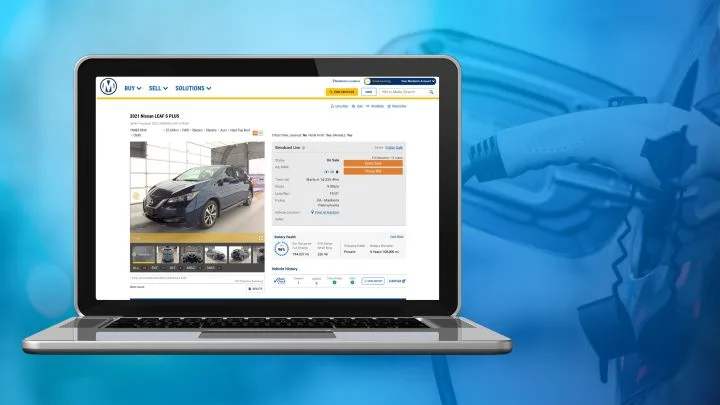
Cox Automotive firmly believes that VIN-specific battery state of health will be the new standard in the industry.
IMAGE: Cox Automotive
Cox Automotive introduced a used-car industry solution to measure the electric-vehicle battery health for each specific vehicle identification number across Manheim and is expanding LotVision’s capabilities of reporting battery health for each unique vehicle. It said both enhancements give wholesale buyers and sellers information they need to make more informed and confident decisions.
Cox Automotive’s VIN-specific solution, developed by its EV Battery Solutions team, uses Manheim’s LotVision technology to quickly assess the battery in each vehicle and automatically transmit in-depth battery health information to condition reports and vehicle detail pages on manheim.com. Created in partnership with Cox2M, the commercial internet-of-things business line within Cox Communications, LotVision is a wireless tracking device placed in a vehicle that helps dealers, transporters and team members locate vehicles on Manheim lots to within 10 feet.
Cox’s decade-long history of assessing EV battery state of health has shown that while most used EV batteries are relatively healthy, the outliers tend to be significantly degraded, highlighting the importance of measuring each vehicle.
“EV battery health scores that are based on make/model averages are just that … average,” said Cox Automotive President Steve Rowley, president. “That’s why we continue to invest in innovations that help our clients make important decisions affecting their businesses.”
Importance of VIN-Specific Measurement
Cox Automotive firmly believes that VIN-specific battery state of health will be the new standard in the industry.
“At Manheim, we have more experience than anyone in driving confidence in the wholesale marketplace—and one thing we know for sure is that nobody likes surprises,” said Grace Huang, president of Cox Automotive Inventory Solutions. “With this innovative new use of LotVision, we’re giving clients exactly what they need: the most detailed information possible on each individual EV so they can make informed buying and selling decisions. Ultimately, transparency drives confidence in the wholesale marketplace, and that’s why we have been—and will continue to be—committed to giving our clients VIN-specific battery health information.”
How it Works
To quickly measure battery health on each vehicle, Manheim is leveraging LotVision devices—which are already in use across all 76 locations in the U.S. First used for geolocating vehicles on its lots, the devices are installed in all vehicles with an OBD II port at check-in.
Now with a simple firmware update, the devices can be used to capture EV battery health information in minutes—and can transmit that information automatically to Manheim CRs and VDPs, where battery health information will be prominently displayed when the listing goes live on Manheim.com. Information to be displayed will include a battery health score between 0 and 100% that represents the remaining battery capacity captured directly from the vehicle, alongside detailed vehicle-specific information that aims to empower buyers in making informed decisions, like warranty information, battery chemistry, charging cable presence and more.
As a bonus, since the LotVision devices remain installed while a vehicle is on a Manheim lot, they will also report on each vehicle’s current state of charge.
Manheim has been preparing for the influx of EVs into the wholesale marketplace. Since 2019, it has invested more than $200 million in EV infrastructure and process improvements. Manheim now offers sellers more than 800 EV chargers, safe storage and access to more than 850 trained technicians who can safely handle, service and dispose of EV batteries. In 2023, approximately 48,000 EVs were sold in the Manheim Marketplace, a 58% increase year-over-year. The company expects that number to double in 2024 and continue increasing in the coming years. In April, clients will begin seeing the expanded battery health information on Manheim CRs and VDPs across most makes and models.
More Digital
Reynolds and RockEd Team Up
Via structured learning journeys and certifications, dealership personnel can get up to speed fast, a key component for success in rapidly changing retail automotive.
Read More →
Dealer Debrief: AI is Judging Your Website
In this week's debrief, host Lauren Lawrence talks about the importance of optimizing your website for AI-powered search as well as SEO.
Read More →
Your Dealership Is Being Judged by AI Search
Car shoppers are asking the tools where to buy, service and trade. The question is whether your dealership is showing up as the answer.
Read More →
Cox Automotive Tool to Streamline Dealership Workflows
The new Navigator offering is designed to work for dealers across the company's technology solutions for time savings and more.
Read More →
DAS Technology Earns Multiple Industry Honors
The company's Power AI Search was recognized for automotive artificial intelligence as .
Read More →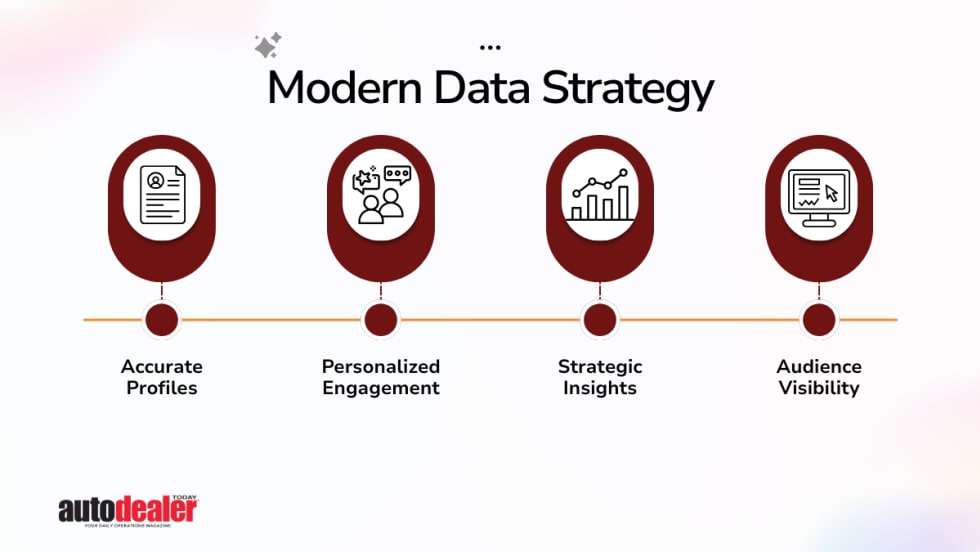
Reduce Fragmentation, Connect Customer Data
Automotive dealerships have the opportunity to reach more consumers by putting their customer data into a unified system, according to a new report.
Read More →
Dealer Debrief: Service Tech Recognition
In this week's debrief, host Lauren Lawrence covers a change to Automotive Service Professionals Month, a dealership acquisition, and a new Lexus rooftop!
Read More →
Dealer Debrief: Manufacturing Meets Demand
In this week's debrief, host Lauren Lawrence covers shifting strategies in the U.S. auto industry and how they reflect the current consumer demand.
Read More →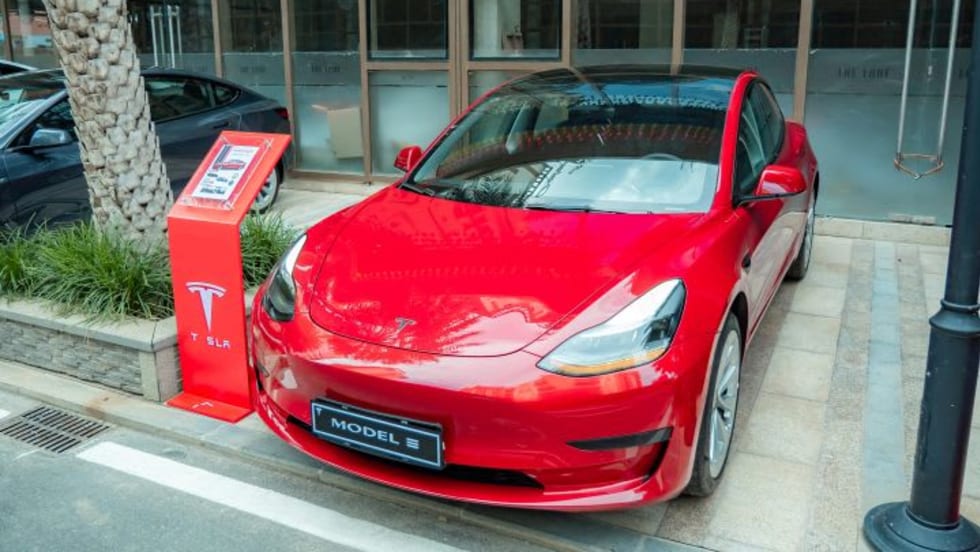
Trust of Autonomous Cars Not Automatic
A poll of U.S. consumers finds more awareness of the technology but no movement when it comes to relying on it for transportation.
Read More →
Dealer Debrief: New Technician Credential & Vehicles for Change
In this week's debrief, host Lauren Lawrence covers a new ADAS technician credential that is in the works and a partnership between NADA and Vehicles for Change.
Read More →