



Report: EV Stations Should Support Multiple Standards
The capability would go a long way in reassuring hesitant mass-market consumers to switch.


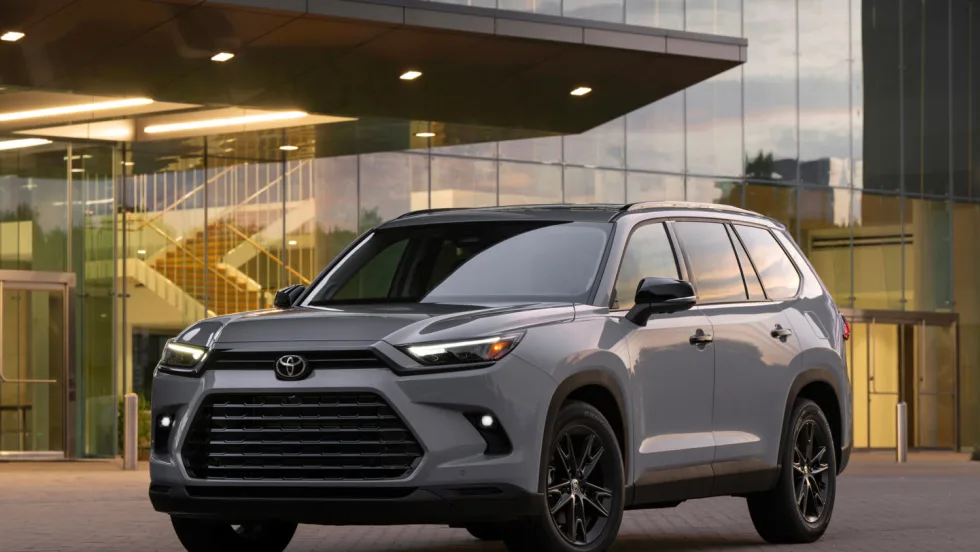
The Toyota bZ4X supports both level one and level two charging.
Toyota
Electric-vehicle charging stations with more than one voltage option are key to mass adoption, a new report contends.
What it terms “dual-voltage” capability has attracted a mass of more than 30,000 patent applications, says researcher GlobalData.
The data analysis provider says that the technology, along with battery discharge prediction, is essential in persuading the average automotive consumer to switch to electric.
Various automakers have adopted one charging standard or another for their lineups, some opting for Tesla’s North American Charging Standard, others sticking with the Combined Charging System.
But GlobalData considers dual-voltage technology “crucial” in the transition to EVs. That means charging stations that support multiple charging standards and EVs with more than one charging cable. The demand for such solutions attracts new innovations each year, it said, 44 new companies joining the mix last year.
“This ease of use alleviates range anxiety for drivers,” said GlobalData Senior Analyst of Disruptive Tech Rahul Kumar Singh in a press release on the EV report, which highlighted a few recent innovations in the space:
Toyota’s debut this year of the all-electric SUV bZ4X, which has levels one and two charging capability, after the Japanese automaker pursued a slower EV ramp-up than many brands
Spain-based company Circontrol’s introduction of a dual-charging station for urban and interurban areas
Brazil-based electrical technology maker WEG’s new charging station design that accommodates a range of voltages.
“As this technology advances, it faces challenges like ensuring compatibility with different vehicle models and handling the increased demand for power grids,” Singh said. “Nevertheless, the steady rise in patent activity and ongoing technological progress in this field point to a promising future.”
DIG DEEPER: Report Urges Utilities, Regulators to Prep for EV Future
More Industry
Savings Seekers Boost U.S. Automakers’ Rivals
As consumers here look for ways to curb inflation’s affect on their budgets, brands offering plenty of alternative powertrains are closing in on home-grown OEMs.
Read More →
The Slow Electric Ascent
Second-quarter data show that the electric-vehicle market in the U.S. is inching up, the majority of states seeing a month-over-month increase.
Read More →
Safer Rides & Cyberattacks
Vehicle crash testing is getting a virtual boost, but auto dealerships are facing increased cyberattacks. Learn more in this week's Dealer Debrief!
Read More →
Affordability Angst | Dealer Debrief
August saw little relief for car buyers, whether they were shopping new or used. Take a look at the month's breakdown in this week's Dealer Debrief!
Read More →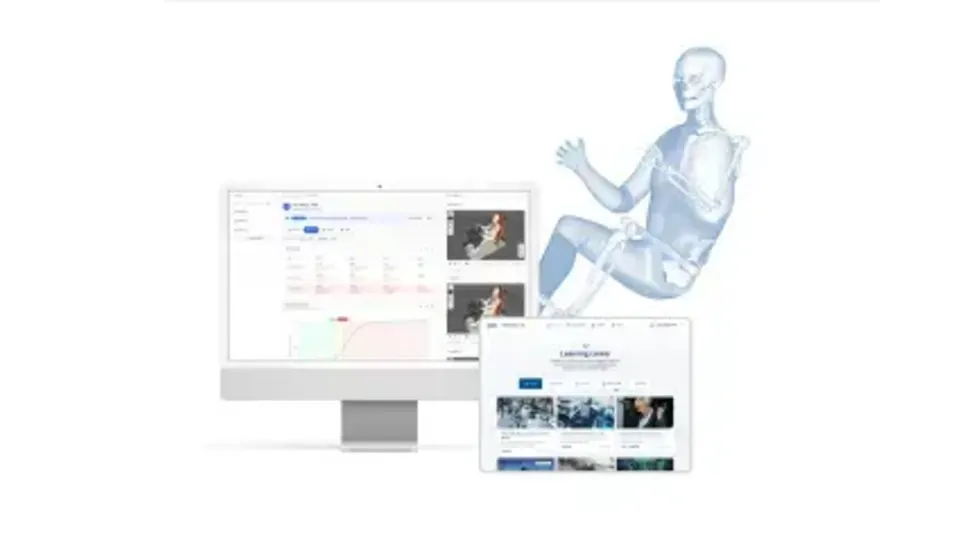
Virtual Crash Testing in the Works
A company's platform works alongside physical crash testing to gather insights into occupant response and injury mechanisms, with the idea of helping automakers develop safer vehicles.
Read More →
Tariff Tiff Examined
Some auto industry leaders are taking a relaxed view of the U.S.-Canada trade war while others worry that a dramatically adjusted playing field could mean too much collateral damage.
Read More →
EV Consideration Climbs
Despite the loss of federal EV incentives, interest has grown in the U.S., largely thanks to charging infrastructure improvements.
Read More →
August Auto Angst
The hot month brought hot-to-the-touch vehicle prices in the U.S. as consumers dived for more affordable models but found higher price tags to go with them.
Read More →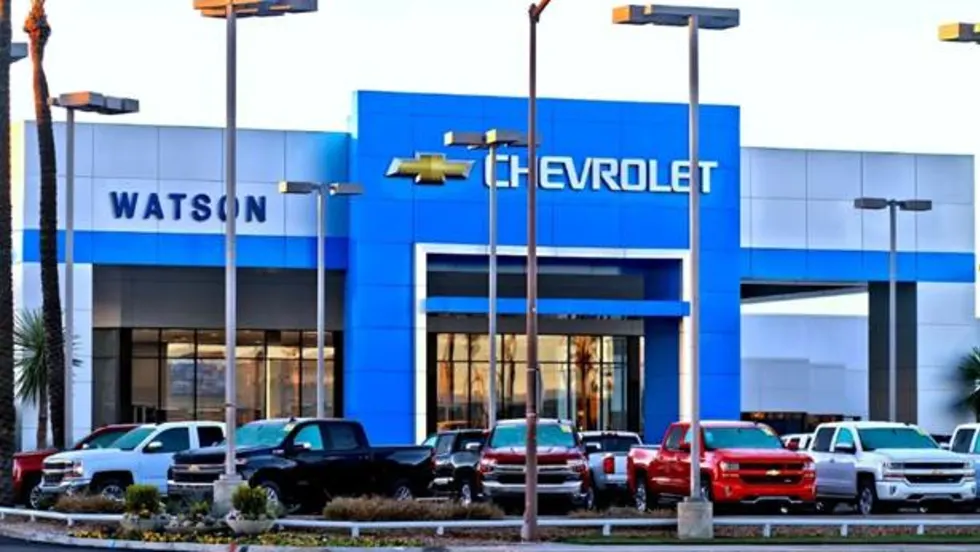
Arizona Stores in New Hands
The two franchises bring continued growth for a homegrown automotive group in its third generation of family ownership.
Read More →
Two New Rides Earn Safety Awards
Thanks to vehicle redesigns, two more vehicles have earned IIHS’ Top Safety Pick+ award that builds on the criteria of the lower Top Safety Pick award.
Read More →