



Helmet Factor Examined in Deaths
Nonprofit research shows motorcyclists vulnerable without protection, estimates number who would have survived with it.


Despite laxer regulation, overall U.S. helmet use has increased, though it was generally two to three times higher in states with all-rider laws over the research period, IIHS says.
Pexels/Nicholas Dias
Research on the effects of motorcycle helmet laws on fatalities shows that more than 22,000 motorcyclists who died on the road over the past five decades would have survived if more states required helmets for all riders.
The Insurance Institute for Highway Safety study examined annual motorcyclist deaths in states with and without helmet laws for all riders and whether or not the riders wore a helmet at the time of death, thereby estimating helmet use rates in the states when such laws were in effect and when they weren’t. Using prior research that found helmet use cuts fatality risk by 37%, it estimated the cumulative results of helmetless riding per state.
The nonprofit group used 1976 as the starting point of the research period because that was the year federal highway safety and construction funding ceased to be tied to all-rider helmet laws. Before, nearly every state had such laws, but after the funding restriction was lifted, most relaxed theirs or ended them completely, IIHS said. Now just 17 states and Washington, D.C., have all-rider helmet laws.
Despite the laxer regulation, overall U.S. helmet use has increased, though it was generally two to three times higher in states with all-rider laws over the research period, IIHS says.
“We understand that requiring helmets for all riders everywhere would be unpopular with some motorcyclists, but this could save hundreds of lives each year,” said IIHS Director of Statistical Services Eric Teoh, who conducted the research. “Those aren’t just numbers. They’re friends, parents and children.”
California, which has had an all-rider helmet law since 1992, nevertheless had the highest total of motorcyclist fatalities during the period at 2,536, a distinction that IIHS says results from its large population and long riding season. It listed Texas, Florida, Illinois, Ohio, Indiana and South Carolina as having the next highest fatality totals, noting that those states allow helmetless riders.
LEARN MORE: Motorcycle Safety Board to Advise Transportation Officials
More Industry
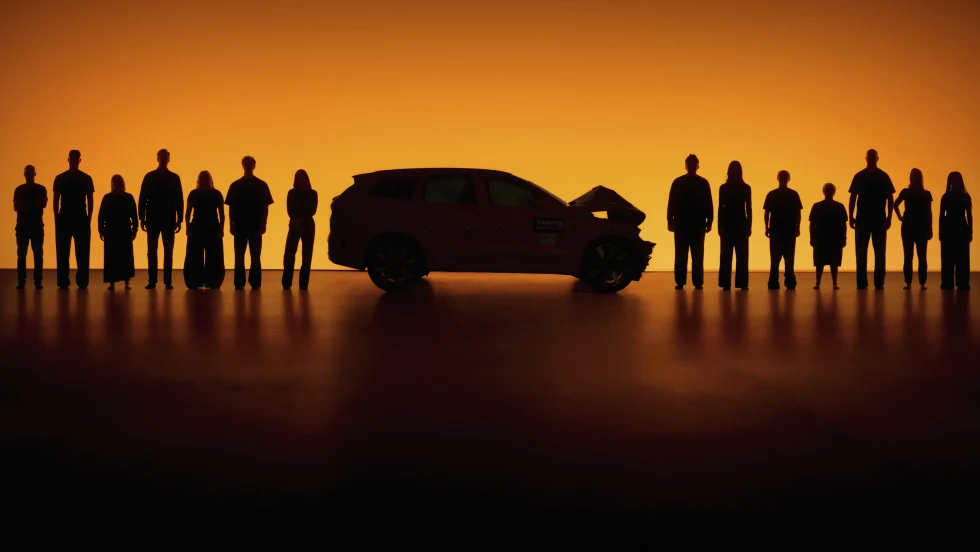
Automaker Advances Safety for All
A new report by Volvo Cars Safety Centre analyzed the impact of 50 years' worth of research in automotive safety development
Read More →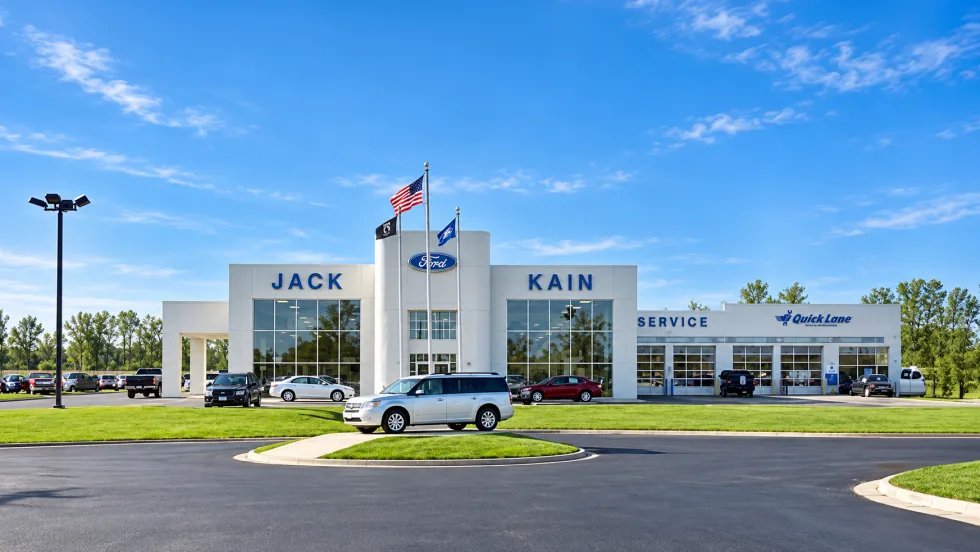
Kentucky Store Leaves Family
An auto group stretched across three states picked up the Lexington-area Ford fixture as its second store for the brand in the state.
Read More →
U.S. Auto Brands Falling Behind
Asian auto brands are outpacing U.S. brands in stateside new-vehicle sales. Learn more in this week's Dealer Debrief with Lauren!
Read More →
U.S. EV Market Update | Dealer Debrief
The U.S. electric vehicle market is slowly recovering from the loss of the federal EV tax credit last fall. Learn more in this week's Dealer Debrief!
Read More →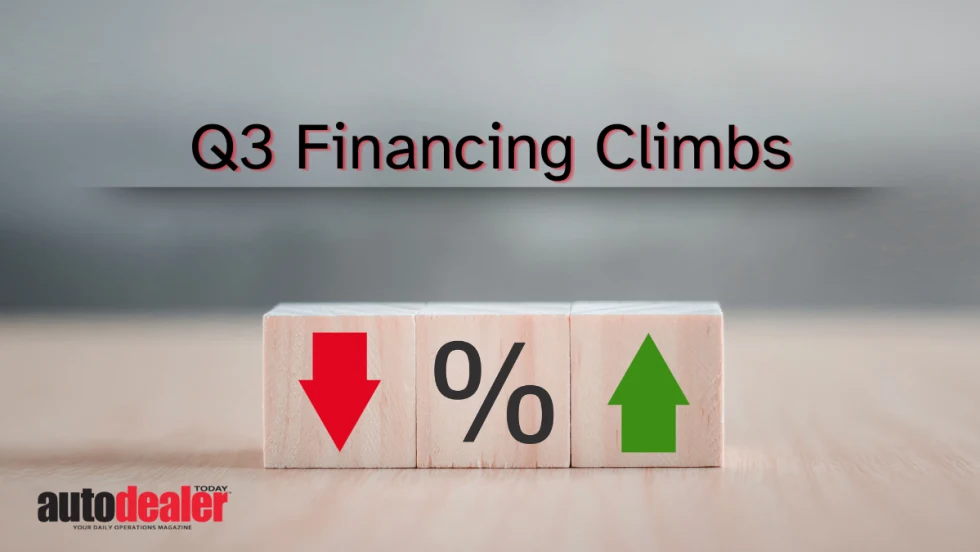
Auto Finance Numbers Set Records
Third-quarter data show how consumers are adapting to ongoing affordability challenges facing the new- and-used-vehicle markets.
Read More →
Auto Dealerships Can’t Afford to Ignore the 50+ Consumer
Younger generations may be all the buzz today when it comes to product marketing targets, but their older cohorts command a sizable share of purchasing power.
Read More →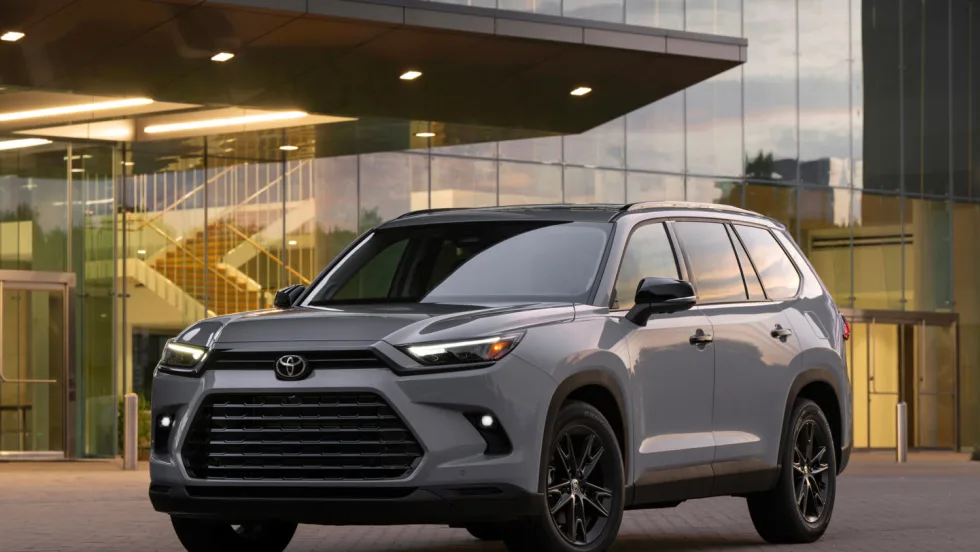
Savings Seekers Boost U.S. Automakers’ Rivals
As consumers here look for ways to curb inflation’s affect on their budgets, brands offering plenty of alternative powertrains are closing in on home-grown OEMs.
Read More →
The Slow Electric Ascent
Second-quarter data show that the electric-vehicle market in the U.S. is inching up, the majority of states seeing a month-over-month increase.
Read More →
Safer Rides & Cyberattacks
Vehicle crash testing is getting a virtual boost, but auto dealerships are facing increased cyberattacks. Learn more in this week's Dealer Debrief!
Read More →
Affordability Angst | Dealer Debrief
August saw little relief for car buyers, whether they were shopping new or used. Take a look at the month's breakdown in this week's Dealer Debrief!
Read More →