



Active Listening is Essential to Mastering Communication Skills
Glynn Rodean - Communication is “a process by which information is exchanged between individuals through a common system of symbols, signs or behavior,” according to Merriam-Webster. While the definition does not directly mention listening, it is a key part of exchanging information.

Communication is “a process by which information is exchanged between individuals through a common system of symbols, signs or behavior,” according to Merriam-Webster. While the definition does not directly mention listening, it is a key part of exchanging information.
How well you listen to others is very significant to earning their trust. Constantly learning about your customers and their individual needs is essential to building the rapport and confidence that will allow them to gain the trust that they have reached the person who can help them. In every buying situation, people are afraid of two things—buying the wrong thing and paying too much for it. When they realize they have the right person on the line, you will create a more confident buyer.
We need not just pay attention, but we must prove to others that we are paying attention. When speaking to customers over the phone, proving you’re paying attention requires more work than if you were talking with someone face-to-face because you can’t rely on eye contact and body language to let the person who’s talking know you’re listening. On the phone, you must be an active listener, meaning you must acknowledge and validate what the customer says.
Oftentimes, repeating something pertinent that an individual says helps retain that information more effectively. For example, if a customer says, “I really want a car that gets good gas mileage,” you can respond by saying, “Good for you for taking your entire budget into consideration. I can definitely appreciate that with gas prices fluctuating constantly. It is very important for me to know that the vehicle I’m driving not only works in my budget for the price of the car, but will also not break the bank at fill up.” This lets the customer know you’re listening and that you understand this is an item of importance, and it helps you commit this information to memory.
Another rule of thumb is to never interrupt (even if you don’t quite understand what the customer is saying). Allow people to finish their thoughts; then, ask questions. Using assumptive questions by asking either/or questions will clarify what the customer is trying to get across, without the customer feeling as if they are being quizzed. This will not only indicate that the customer has your attention, but it shows you’re interested as well.
Active listening also allows you to determine the personality type of the individual you are speaking with based on the tonality of the person’s voice, as well as the words they use. As I’ve stressed in earlier articles, knowing what personality type you’re dealing with is important because it can help you properly understand how to best communicate with the individual. Matching tonality and utilizing the personality type information will build a real connection without running the risk of sounding fake or scripted. Communicating in a similar fashion is called commonality building. To find commonality, look for similarities, not differences.
The art of listening makes communication a two-way street. When we make an effort to participate in a conversation by listening, we not only show someone that we’re interested in what they say, but we are usually learning something about them. Active listening helps pinpoint what is most important to your customer. Knowing the hot buttons of a customer and using them as tools for commonality will give the customer a sense of ease and comfort.
It’s important that you understand the customer’s needs to learn what the customer is really looking for in a new vehicle. Believe it or not, oftentimes when representatives do not know the true needs of a customer, they never sell the advantages and benefits of dealing with them, the dealership and/or the particular product. Instead, they usually go straight to price. This is running rampant in automotive Internet departments, sometimes even when the customer brings his or her needs up. To not listen is to short-cut, which your customers won’t appreciate because people want to be heard. So sit down with the people who man your phones today, and review how to be an active listener.
“A good listener is not only popular everywhere, but after a while, he knows something.” – Wilson Mizner (1876 - 1933), playwright and entrepreneur.
Vol. 7, Issue 6
More Digital
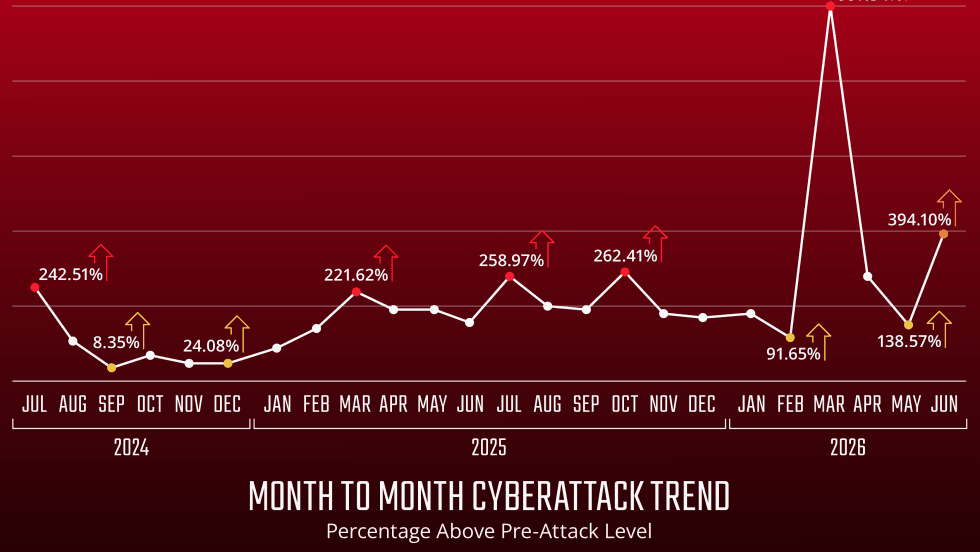
Dealerships More Frequent Cybercrook Targets
Analysis of the past year’s activity shows attacks on stores’ networks have surged dramatically as criminals leverage AI’s tools for volume and seeming legitimacy.
Read More →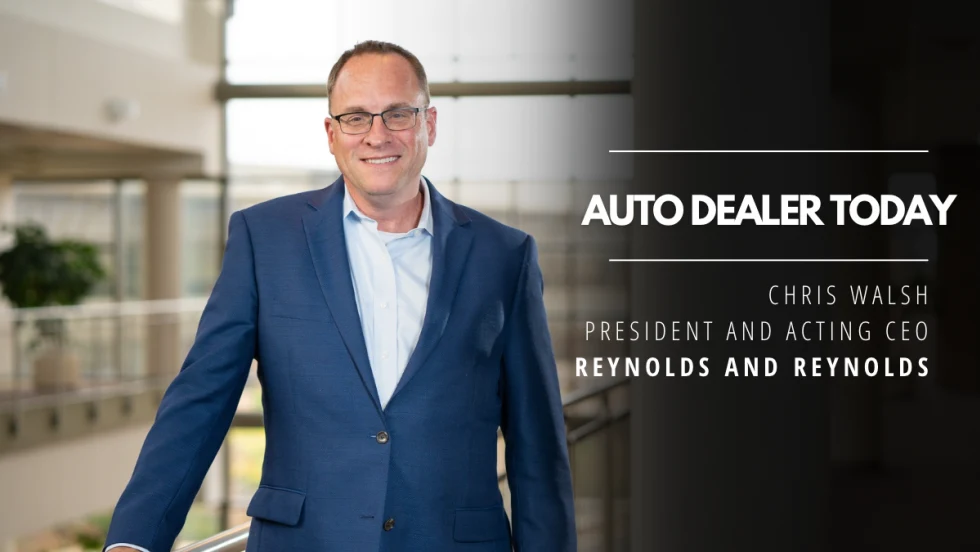
Reynolds and RockEd Team Up
Via structured learning journeys and certifications, dealership personnel can get up to speed fast, a key component for success in rapidly changing retail automotive.
Read More →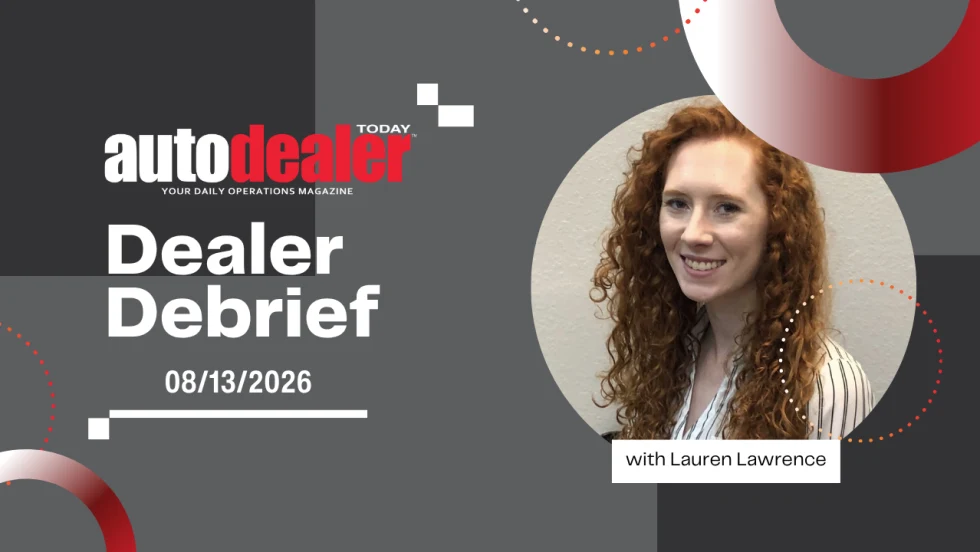
Dealer Debrief: AI is Judging Your Website
In this week's debrief, host Lauren Lawrence talks about the importance of optimizing your website for AI-powered search as well as SEO.
Read More →
Your Dealership Is Being Judged by AI Search
Car shoppers are asking the tools where to buy, service and trade. The question is whether your dealership is showing up as the answer.
Read More →
Cox Automotive Tool to Streamline Dealership Workflows
The new Navigator offering is designed to work for dealers across the company's technology solutions for time savings and more.
Read More →
DAS Technology Earns Multiple Industry Honors
The company's Power AI Search was recognized for automotive artificial intelligence as .
Read More →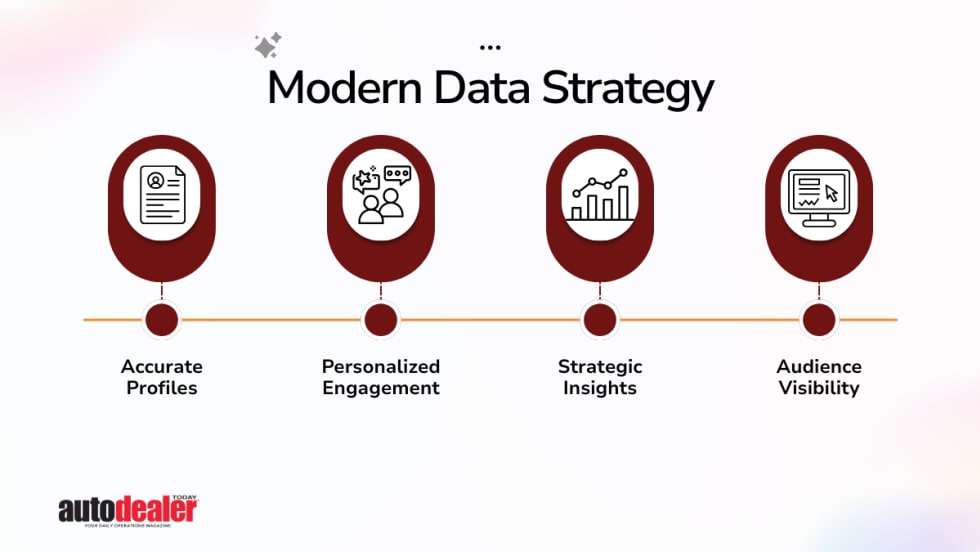
Reduce Fragmentation, Connect Customer Data
Automotive dealerships have the opportunity to reach more consumers by putting their customer data into a unified system, according to a new report.
Read More →
Dealer Debrief: Service Tech Recognition
In this week's debrief, host Lauren Lawrence covers a change to Automotive Service Professionals Month, a dealership acquisition, and a new Lexus rooftop!
Read More →
Dealer Debrief: Manufacturing Meets Demand
In this week's debrief, host Lauren Lawrence covers shifting strategies in the U.S. auto industry and how they reflect the current consumer demand.
Read More →
Trust of Autonomous Cars Not Automatic
A poll of U.S. consumers finds more awareness of the technology but no movement when it comes to relying on it for transportation.
Read More →