


Mazda Tops in New Safety Assessment
Consumer Reports’ new Safety Verdict ranks vehicles based on federal safety standards, as well as features it believes should be available to all consumers, such as blind-spot warnings.


The new safety assessment takes into account more than just federal safety standards.
Canva
- Consumer Reports has announced a new safety verdict focused on vehicle safety standards.
- Mazda is highlighted as a leader in this safety evaluation.
*Summarized by AI
Consumer Reports’ new safety verdict singles out the new cars it determines to be the best at preventing crashes or protecting occupants if a crash occurs. The verdict has three ratings: Basic, Better and Best.
Mazda topped all other brands with the highest percentage.
The key components of the safety verdict are automatic emergency braking, including at highway speeds, blind-spot warning, rear cross traffic warning, and AEB with pedestrian detection before a potential collision.
“A safe car has predictable handling and braking in everyday driving and emergencies, controls that don’t distract you, technology that can prevent a crash in the first place, and a design that protects occupants if a crash occurs,” says Emily A. Thomas, associate director of auto safety at Consumer Reports.
“The safety verdict rating, now available for free on all new-car model pages at CR.org/cars, makes it simple for car owners and shoppers to understand the level of safety a car provides.”
To receive a Basic score, vehicles must meet the federal motor vehicle safety standards set by the National Highway Traffic Safety Administration.
To receive a Better score, vehicles must have automatic emergency brakes that can predict pedestrians as a standard across all trims, a curb weight over 2,500 pounds, front-wheel or all-wheel drive, and certain Insurance Institute for Highway Safety ratings, if applicable.
To receive the Best score, vehicles must have good usability that doesn’t distract the driver, automatic braking, blind-spot warnings and rear cross-traffic warnings, as well as certain IIHS ratings, if applicable.
More Industry
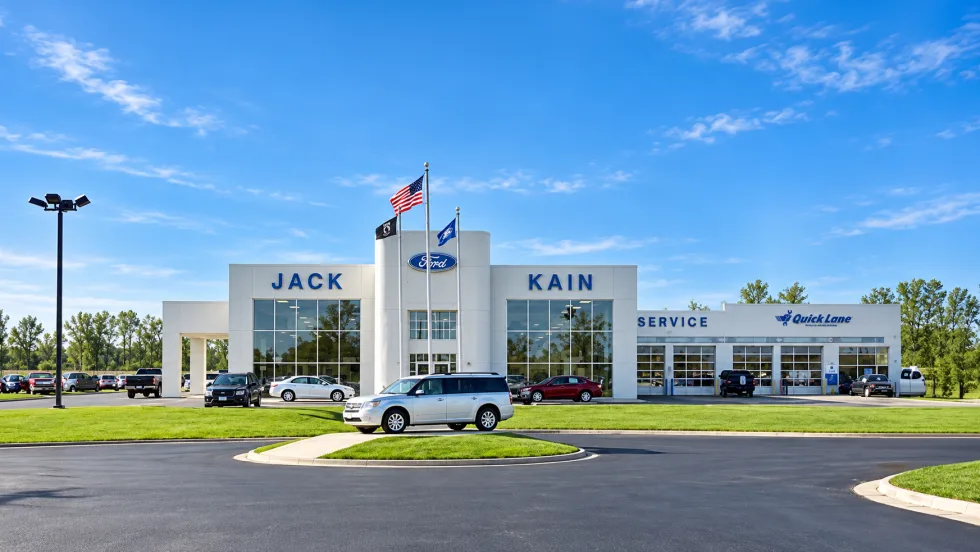
Kentucky Store Leaves Family
An auto group stretched across three states picked up the Lexington-area Ford fixture as its second store for the brand in the state.
Read More →
U.S. Auto Brands Falling Behind
Asian auto brands are outpacing U.S. brands in stateside new-vehicle sales. Learn more in this week's Dealer Debrief with Lauren!
Read More →
U.S. EV Market Update | Dealer Debrief
The U.S. electric vehicle market is slowly recovering from the loss of the federal EV tax credit last fall. Learn more in this week's Dealer Debrief!
Read More →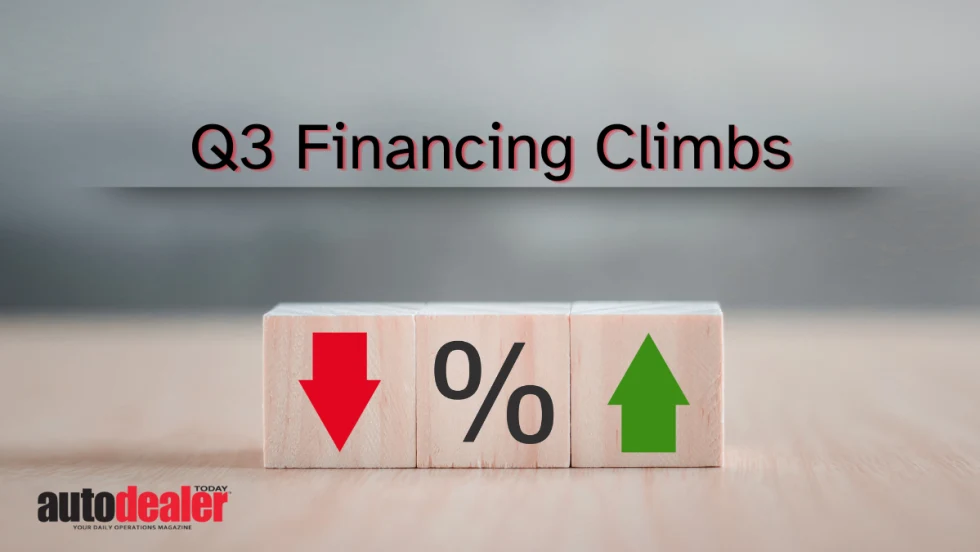
Auto Finance Numbers Set Records
Third-quarter data show how consumers are adapting to ongoing affordability challenges facing the new- and-used-vehicle markets.
Read More →
Auto Dealerships Can’t Afford to Ignore the 50+ Consumer
Younger generations may be all the buzz today when it comes to product marketing targets, but their older cohorts command a sizable share of purchasing power.
Read More →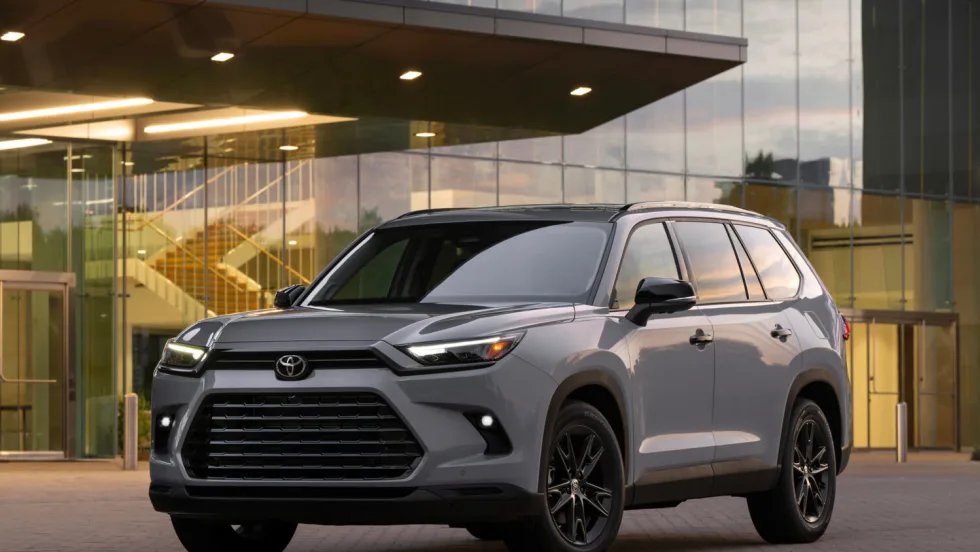
Savings Seekers Boost U.S. Automakers’ Rivals
As consumers here look for ways to curb inflation’s affect on their budgets, brands offering plenty of alternative powertrains are closing in on home-grown OEMs.
Read More →
The Slow Electric Ascent
Second-quarter data show that the electric-vehicle market in the U.S. is inching up, the majority of states seeing a month-over-month increase.
Read More →
Safer Rides & Cyberattacks
Vehicle crash testing is getting a virtual boost, but auto dealerships are facing increased cyberattacks. Learn more in this week's Dealer Debrief!
Read More →
Affordability Angst | Dealer Debrief
August saw little relief for car buyers, whether they were shopping new or used. Take a look at the month's breakdown in this week's Dealer Debrief!
Read More →
Virtual Crash Testing in the Works
A company's platform works alongside physical crash testing to gather insights into occupant response and injury mechanisms, with the idea of helping automakers develop safer vehicles.
Read More →