



A Preowned Vehicle Strategy in a Challenging Market
The best methods to approach this crucial money-maker may not always be obvious.
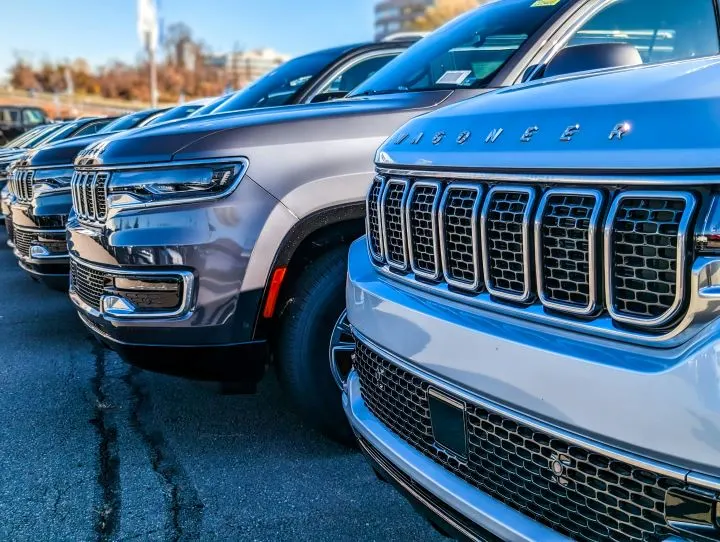
The new-vehicle sales department, while prominent, often poses the most uncertainty.
Pexels/Obi Onyeador
The automotive market has experienced significant disruptions in recent years, creating unique challenges for dealerships aiming to sustain profitability. Among these challenges, determining the ideal vehicle inventory mix has emerged as a critical component to achieving steady sales growth.
Primary Areas for Profitability in Vehicle Sales
Dealership profitability typically stems from three primary sources: new-vehicle sales, preowned vehicle sales, and fixed operations.
The new-vehicle sales department, while prominent, often poses the most uncertainty since manufacturers largely contrrr4ol inventory and pricing structures, leaving dealerships limited flexibility. On the other hand, fixed operations remain consistently profitable, often serving as the financial backbone that sustains dealership operations.
The area with the greatest potential for enhancing profitability, however, is preowned vehicle sales. Experts frequently highlight that profitability in preowned sales largely depends on the initial purchase price of the vehicle. Acquiring vehicles at the right price point significantly boosts profitability at resale, while paying even marginally above market value can sharply reduce potential gains. According to the National Automobile Dealers Association, the average gross profit per used-car sale is approximately $2,337. Given that preowned vehicle values typically decrease the longer they remain unsold, rapid inventory turnover is crucial.
Preowned Acquisition From Different Resources
Dealerships typically source their preowned vehicles through auctions, retired rentals, off-lease vehicles, retired loaner vehicles, direct purchases from consumers, and customer trade-ins. Auctions, both physical and online, remain highly competitive environments where dealerships often pay inflated prices due to bidding wars, squeezing their potential profit margins. Similarly, retired rental vehicles, while valuable for filling seasonal gaps, also suffer from elevated acquisition costs due to competitive pricing by rental agencies.
Historically, off-lease vehicles provided a stable and predictable source of preowned inventory. However, this has notably changed since the Covid pandemic. Vehicle shortages and diminished leasing incentives during the pandemic drove many consumers to purchase vehicles outright, drastically reducing the supply of off-lease vehicles now available to dealerships. Additionally, approximately 31% of vehicle owners currently find themselves in negative equity, owing more than their vehicles are worth due to inflated purchase prices and high-interest rates incurred during the pandemic.
Consequently, the most profitable channel for acquiring preowned vehicles now lies in consumer trade-ins and direct consumer purchases. These methods allow dealerships to meticulously evaluate vehicle condition, negotiate favorable purchase prices, and review comprehensive service histories. Enhancing trade-in volumes requires proactive marketing strategies, such as digital and traditional campaigns clearly expressing dealerships' need for consumer-owned vehicles. Messaging can effectively address consumer concerns, such as potential negative equity situations or impending excess mileage penalties.
The Service Drive Strategy
However, perhaps the most powerful strategy is leveraging the service drive. Customers bringing vehicles in for service represent prime opportunities to initiate conversations about vehicle upgrades or trade-ins. Dealerships can actively approach these customers with complimentary appraisals, positioning trade-ins as beneficial for both parties. Utilizing data-driven marketing partners who analyze repair-order histories can further optimize targeting, making outreach efforts both precise and timely.
Additionally, maximizing customer retention in the service drive through vehicle service contracts significantly contributes to dealership profitability. Offering robust coverage encourages consistent service visits, fostering ongoing relationships and creating natural opportunities for future vehicle trades. By proactively servicing and maintaining regular customer contact at strategic life-cycle milestones, dealerships position themselves to acquire high-quality preowned inventory efficiently and profitably.
Ultimately, while external sourcing of preowned vehicles remains necessary, emphasizing internal acquisition methods—especially trade-ins and direct consumer purchases—will substantially enhance profitability. By adopting an integrated approach combining targeted marketing, strategic use of service drive opportunities, and customer retention through vehicle service contracts, dealerships can confidently secure the ideal inventory mix and drive sustained growth.
To keep it simple, provide customers with coverage, give them excellent service during repairs, and market to them at key vehicle life-cycle moments. Your sales team will then be ready to make them the right offers at the right times to gain a profitable inventory for your lot.
Liebler is regional director of Automotive Product Consultants (APC).
EDITOR’S NOTE: This article was authored and edited according to Auto Dealer Today editorial standards and style. Opinions expressed may not reflect that of the publication.
More Industry

Automaker Advances Safety for All
A new report by Volvo Cars Safety Centre analyzed the impact of 50 years' worth of research in automotive safety development
Read More →
Kentucky Store Leaves Family
An auto group stretched across three states picked up the Lexington-area Ford fixture as its second store for the brand in the state.
Read More →
U.S. Auto Brands Falling Behind
Asian auto brands are outpacing U.S. brands in stateside new-vehicle sales. Learn more in this week's Dealer Debrief with Lauren!
Read More →
U.S. EV Market Update | Dealer Debrief
The U.S. electric vehicle market is slowly recovering from the loss of the federal EV tax credit last fall. Learn more in this week's Dealer Debrief!
Read More →
Auto Finance Numbers Set Records
Third-quarter data show how consumers are adapting to ongoing affordability challenges facing the new- and-used-vehicle markets.
Read More →
Auto Dealerships Can’t Afford to Ignore the 50+ Consumer
Younger generations may be all the buzz today when it comes to product marketing targets, but their older cohorts command a sizable share of purchasing power.
Read More →
Savings Seekers Boost U.S. Automakers’ Rivals
As consumers here look for ways to curb inflation’s affect on their budgets, brands offering plenty of alternative powertrains are closing in on home-grown OEMs.
Read More →
The Slow Electric Ascent
Second-quarter data show that the electric-vehicle market in the U.S. is inching up, the majority of states seeing a month-over-month increase.
Read More →
Safer Rides & Cyberattacks
Vehicle crash testing is getting a virtual boost, but auto dealerships are facing increased cyberattacks. Learn more in this week's Dealer Debrief!
Read More →
Affordability Angst | Dealer Debrief
August saw little relief for car buyers, whether they were shopping new or used. Take a look at the month's breakdown in this week's Dealer Debrief!
Read More →