


Tariff Picture Comes Into Better Focus
Cox foresees consumers starting to bear the cost as the year progresses.


Even recent emissions regulation curbs could move automakers to focus on larger, more lucrative models over more affordable ones, thereby inflating prices.
Pexels/Kostas
U.S. trade tariffs have so far been a mixed bag for auto retailers and consumers, but as the fast-shifting situation unfolds, conditions are poised to drag down sales and raise prices, a new Cox Automotive analysis predicts.
After many consumers hit dealerships in the spring to take advantage of pretariff prices, sales slowed but picked up again in July due to unmet demand and healthy equities market wealth, said Cox Executive Analyst Erin Keating. It was the strongest seasonally adjust annualized rate for July since 2019.
Tariffs as they now stand with negotiations outstanding for many countries would add the equivalent of $2,500 in costs for each imported vehicle sold in the U.S., to Keating reported. Vehicles assembled in the U.S. have the added cost of other tariffs on aluminum, steel, copper and battery components, she pointed out.
Breaks U.S. automakers are getting from the Trump administration on vehicle emissions requirements are helping to offset tariff effects, though it scheduled the end of electric-vehicle tax breaks and charging infrastructure funding.
In fact, Keating theorized that the emissions regulation curbs could move automakers to focus on the larger and more lucrative models in their lineups over more affordable ones, thereby inflating prices.
She also expects automakers to start to pass along tariff costs to consumers. Cox therefore estimates that the average new-vehicle price will therefore reach $50,000 this year and that sales will be down year-over-year to under 16 million units “as higher prices continue to move the auto market in a direction that favors high-net-worth households with excellent credit, leaving many on the outside looking in.”
LEARN MORE: A Preowned Vehicle Strategy in a Challenging Market
More Industry
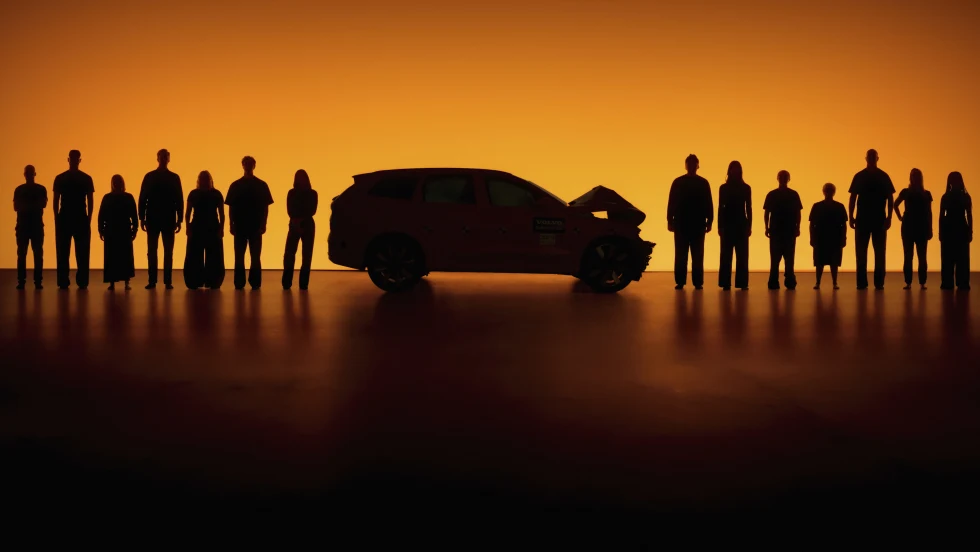
Automaker Advances Safety for All
A new report by Volvo Cars Safety Centre analyzed the impact of 50 years' worth of research in automotive safety development
Read More →
Kentucky Store Leaves Family
An auto group stretched across three states picked up the Lexington-area Ford fixture as its second store for the brand in the state.
Read More →
U.S. Auto Brands Falling Behind
Asian auto brands are outpacing U.S. brands in stateside new-vehicle sales. Learn more in this week's Dealer Debrief with Lauren!
Read More →
U.S. EV Market Update | Dealer Debrief
The U.S. electric vehicle market is slowly recovering from the loss of the federal EV tax credit last fall. Learn more in this week's Dealer Debrief!
Read More →
Auto Finance Numbers Set Records
Third-quarter data show how consumers are adapting to ongoing affordability challenges facing the new- and-used-vehicle markets.
Read More →
Auto Dealerships Can’t Afford to Ignore the 50+ Consumer
Younger generations may be all the buzz today when it comes to product marketing targets, but their older cohorts command a sizable share of purchasing power.
Read More →
Savings Seekers Boost U.S. Automakers’ Rivals
As consumers here look for ways to curb inflation’s affect on their budgets, brands offering plenty of alternative powertrains are closing in on home-grown OEMs.
Read More →
The Slow Electric Ascent
Second-quarter data show that the electric-vehicle market in the U.S. is inching up, the majority of states seeing a month-over-month increase.
Read More →
Safer Rides & Cyberattacks
Vehicle crash testing is getting a virtual boost, but auto dealerships are facing increased cyberattacks. Learn more in this week's Dealer Debrief!
Read More →
Affordability Angst | Dealer Debrief
August saw little relief for car buyers, whether they were shopping new or used. Take a look at the month's breakdown in this week's Dealer Debrief!
Read More →