



February Auto Supply Out of Balance
Automakers and dealers have in some cases overstocked lower-demand tiers, though they demonstrated pricing discipline, according to Cox Automotive, which sees the need for greater inventory balance.


Jeep's days’ supply hit 151 in February, surpassed in the U.S. market only by Mini and Lincoln.
Stellantis
As the U.S.-Israel war on Iran is poised to affect the automotive industry, dealers here meanwhile must grapple with imbalances between their supply and consumer demand.
A monthly Cox Automotive U.S. auto inventory report shows areas of margin risk as automakers and their franchised dealers adjust to a market that’s been roiled by inflation and now faces wartime effects.
Just as business had started to pick up in anticipation of the spring selling season, the war commenced and threatened to drag down already low consumer sentiment. The sales pace rose 2% in February, though that was still down by nearly the same figure year-over-year, Cox reported.
Meanwhile, inventory expanded 4% to about 2.9 million units, settling at 92 days’ supply as dealerships built their stocks for spring shoppers. But some pockets failed to match consumer demand patterns, Cox said.
The sweet spot appeared to be models priced between $35,000 and $45,000. One tier higher at $45,000 to $55,000, though, is hitting returning middle-income buyers with sticker shock, according to Cox. That tier’s inventory sat at 120 days’ supply at the end of February.
Cox pointed out the automakers facing the most exposure in that weak spot. They include the particularly vulnerable Stellantis brand Jeep, whose days’ supply hit 151. And that’s not even its worst oversupply; Jeep’s inventory reached 165 days in January.
Ford also found itself on the wrong side of demand in February at 121 days’ supply, Cox said.
“Such imbalances resolve through margin pressure first via carrying costs, then incentives,” said Cox Executive Analyst Erin Keating. “Jeep’s aggressive new product launches and selective price reductions suggest awareness of this dynamic.
Still, automakers and retailers are picking their spots when it comes to incentives instead of applying them broadly, Cox said.
“For dealers, February’s lesson is less about volume and more about alignment,” Keating said. “Where inventory matches real demand, the market functions well. Where it does not, adjustment is underway and will likely accelerate as spring demand either materializes or fails to arrive.”
More Industry
Affordability Angst | Dealer Debrief
August saw little relief for car buyers, whether they were shopping new or used. Take a look at the month's breakdown in this week's Dealer Debrief!
Read More →
Virtual Crash Testing in the Works
A company's platform works alongside physical crash testing to gather insights into occupant response and injury mechanisms, with the idea of helping automakers develop safer vehicles.
Read More →
Tariff Tiff Examined
Some auto industry leaders are taking a relaxed view of the U.S.-Canada trade war while others worry that a dramatically adjusted playing field could mean too much collateral damage.
Read More →
EV Consideration Climbs
Despite the loss of federal EV incentives, interest has grown in the U.S., largely thanks to charging infrastructure improvements.
Read More →
August Auto Angst
The hot month brought hot-to-the-touch vehicle prices in the U.S. as consumers dived for more affordable models but found higher price tags to go with them.
Read More →
Arizona Stores in New Hands
The two franchises bring continued growth for a homegrown automotive group in its third generation of family ownership.
Read More →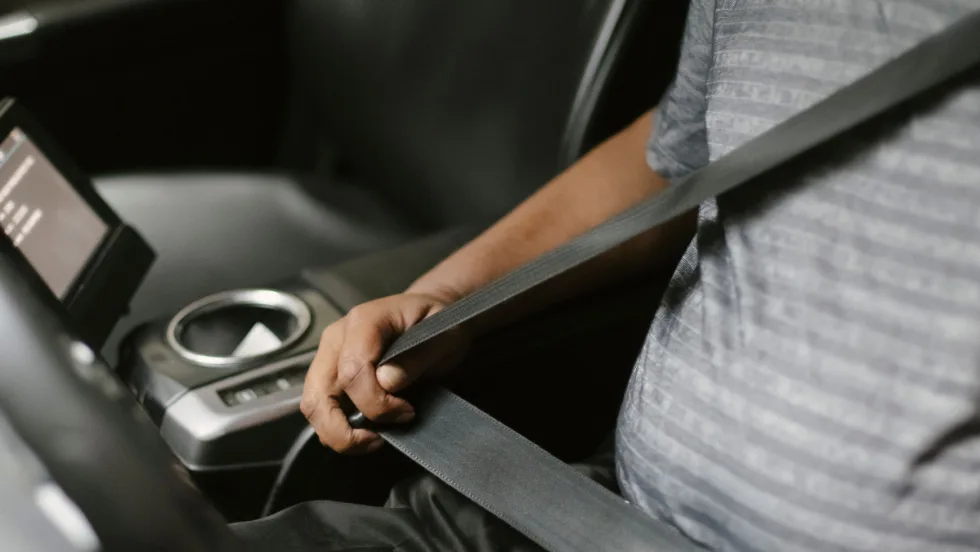
Two New Rides Earn Safety Awards
Thanks to vehicle redesigns, two more vehicles have earned IIHS’ Top Safety Pick+ award that builds on the criteria of the lower Top Safety Pick award.
Read More →
How A Simple Phone Call Can Cause a Dealership Data Breach
Despite the sophisticated techniques fraudsters often employ today to gain access to dealerships’ valuable information, they sometimes use a somewhat old-fashioned approach.
Read More →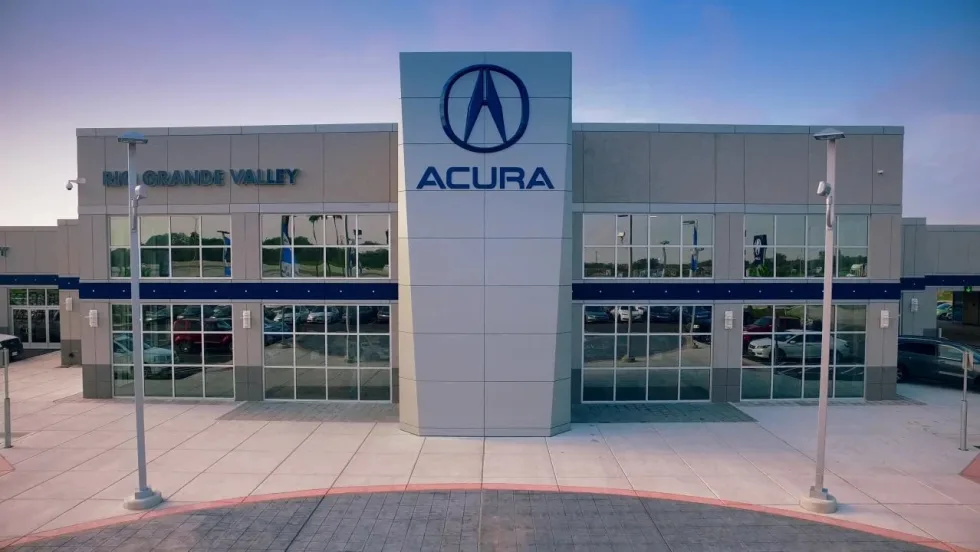
Texas Rooftop Gets New Owner, Name
Family-owned Lumos Auto Group acquired Acura of the Rio Grande Valley from Bill Bird and will operate the dealership as Lumos Acura.
Read More →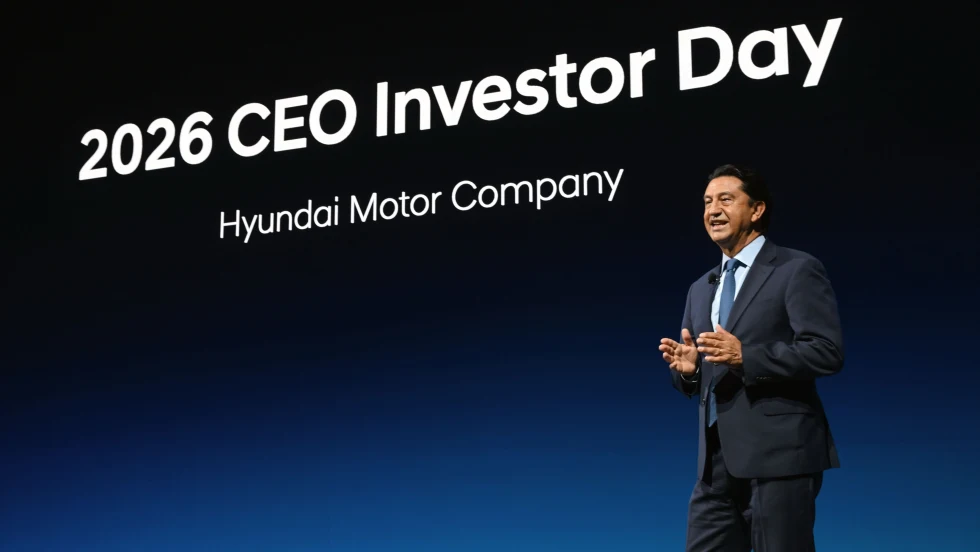
Hyundai Feeling Electric
As the automaker looks to the balance of the decade, it plans to significantly boost its electrified powertrain lineup, including more hybrids and its first extended-range EVs.
Read More →