



Ford Pivots on Lineup
The company refocuses on hybrids and smaller EVs while adding energy-storage business line.

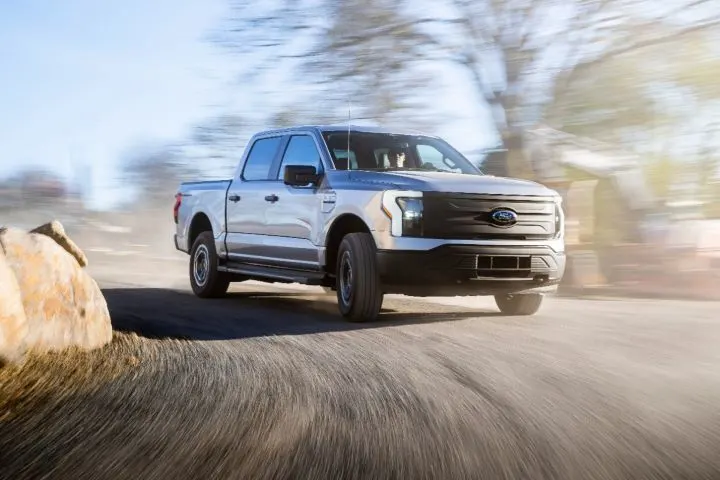
Production has ceased on the all-electric F-150 Lightning as Ford shifts the model to extended-range and refocuses on hybrids.
Ford
Ford said it hasn’t abandoned its aim to achieve companywide carbon neutrality by 2050. It’s just going to go about it in a different way than earlier planned.
Like most automakers, the Detroit-area company has backed off ambitious goals to go all electric in the face of slower demand and government disincentives. This week, it said it will eliminate some larger electric models, including the popular F-150 Lightning, instead refocusing on hybrids. In fact, it said most of its models will have hybrid or “multienergy” power train options by 2029.
Ford also plans to offer more affordable models amid an inflated market that has made it challenging for many consumers to swing new vehicles. The plan includes five new affordable models by the end of the decade.
“This approach prioritizes affordability, choice and profits,” the company said in a statement.
Ford now expects half of its worldwide production volume to be made up of hybrids and EVs by 2030, including extended-range electrifieds, compared to just 17% across those categories this year. It will make purely electric models on what it calls its Universal EV Platform for smaller, affordable vehicles, including a midsize pickup to enter production in 2027.
The next generation of the Lightning, meanwhile, will be an extended-range model produced at its Rouge EV plant in Dearborn. The production team formerly assigned to the current Lightning will join a third team at another Dearborn truck plant for F-150 gas and hybrid production.
Ford said the shifts to “rationalize” its EV lineup will make it more profitable. It anticipates more than $19 billion in special charges this year tied to EVs.
Meanwhile, the company announced a new business line in sales and service of battery energy storage for data centers and infrastructure “to support the electric grid” via its underutilized EV battery capacity. While Ford didn’t mention artificial intelligence, the technology requires copious amounts of electricity and is driving expansion of data center development.
LEARN MORE: Ford Dealers Charged Up for EVs
More Industry
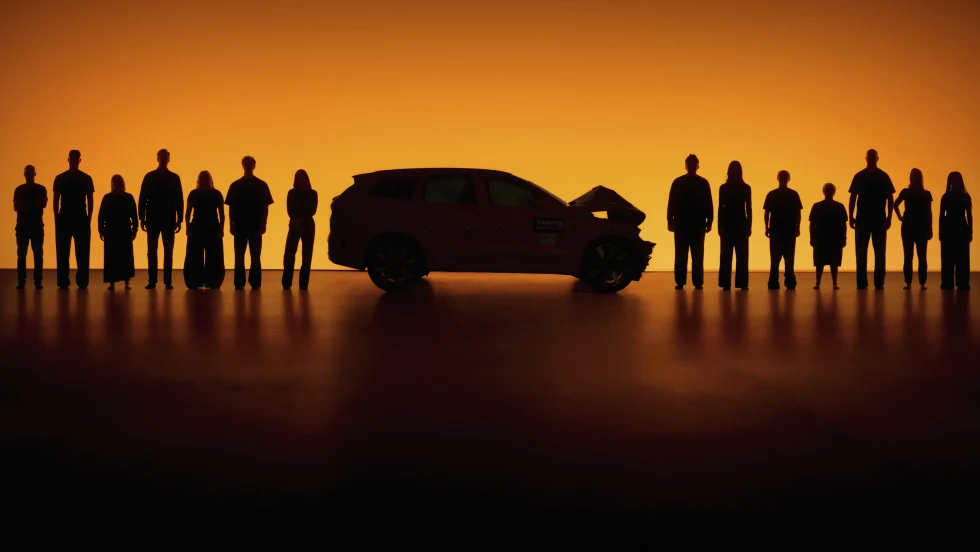
Automaker Advances Safety for All
A new report by Volvo Cars Safety Centre analyzed the impact of 50 years' worth of research in automotive safety development
Read More →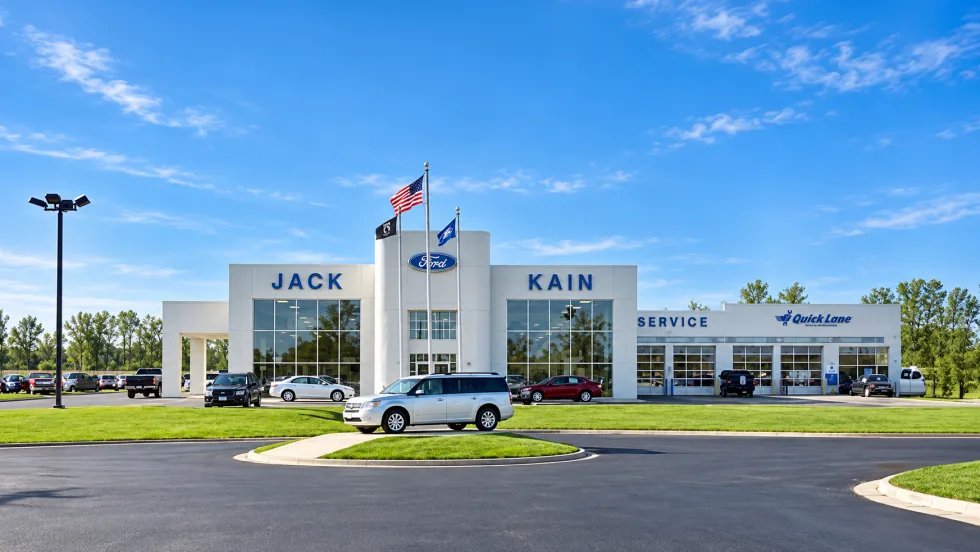
Kentucky Store Leaves Family
An auto group stretched across three states picked up the Lexington-area Ford fixture as its second store for the brand in the state.
Read More →
U.S. Auto Brands Falling Behind
Asian auto brands are outpacing U.S. brands in stateside new-vehicle sales. Learn more in this week's Dealer Debrief with Lauren!
Read More →
U.S. EV Market Update | Dealer Debrief
The U.S. electric vehicle market is slowly recovering from the loss of the federal EV tax credit last fall. Learn more in this week's Dealer Debrief!
Read More →
Auto Finance Numbers Set Records
Third-quarter data show how consumers are adapting to ongoing affordability challenges facing the new- and-used-vehicle markets.
Read More →
Auto Dealerships Can’t Afford to Ignore the 50+ Consumer
Younger generations may be all the buzz today when it comes to product marketing targets, but their older cohorts command a sizable share of purchasing power.
Read More →
Savings Seekers Boost U.S. Automakers’ Rivals
As consumers here look for ways to curb inflation’s affect on their budgets, brands offering plenty of alternative powertrains are closing in on home-grown OEMs.
Read More →
The Slow Electric Ascent
Second-quarter data show that the electric-vehicle market in the U.S. is inching up, the majority of states seeing a month-over-month increase.
Read More →
Safer Rides & Cyberattacks
Vehicle crash testing is getting a virtual boost, but auto dealerships are facing increased cyberattacks. Learn more in this week's Dealer Debrief!
Read More →
Affordability Angst | Dealer Debrief
August saw little relief for car buyers, whether they were shopping new or used. Take a look at the month's breakdown in this week's Dealer Debrief!
Read More →