


Automakers Group Focuses on Impaired Driving
Alliance for Automotive Innovation sees need to tweak proposed regulation requiring prevention tech in new vehicles.


Nearly a third of U.S. traffic fatalities in 2022 involved impaired drivers, according to the NHTSA.
Pexels/Michal Robak
An automaker trade and lobbying group said it has its sights on cutting impaired-driving traffic deaths.
The Alliance for Automotive Innovation, which represents automakers that produce and sell in the U.S., said it created a consortium to address the problem.
It said it will pay for new research and consumer education intended to help federal traffic safety regulators “formulate better drunk driving prevention rules.”
The group pointed out that Congress tasked the National Highway Traffic Safety Administration to develop a regulation requiring automakers to install impaired-driving prevention technology in new vehicles. But it said public comments on the proposed rule show there’s ample confusion about how the technologies would work and whether consumers would use them.
It said its consortium will dig into how to address the concerns, including whether such technologies should disable vehicles if they flag driver impairment, and the best ways to educate consumers about the systems.
“Automakers are making major investments in research, development and testing of drunk and impaired driving technology using sensors, cameras and warning systems,” said alliance President and CEO John Bozzella in a press release.
“But anytime the government requires vehicle technology, important questions should be asked. Like how does this technology work – in the real world? Answering those questions is essential – otherwise the technology may be rejected by drivers. That’s a result nobody wants. Our research consortium will help NHTSA fill those knowledge gaps."
The group pointed out 2022 NHTSA statistics that show nearly a third of U.S. traffic fatalities involved impaired drivers.
“We all have an obligation to reverse this troubling trend,” Bozzella said.
More Industry

U.S. EV Market Update | Dealer Debrief
The U.S. electric vehicle market is slowly recovering from the loss of the federal EV tax credit last fall. Learn more in this week's Dealer Debrief!
Read More →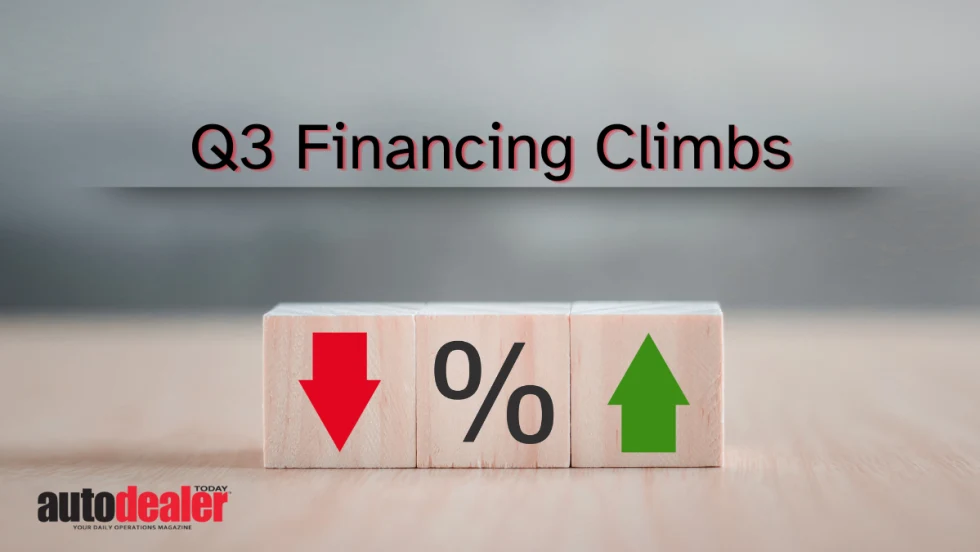
Auto Finance Numbers Set Records
Third-quarter data show how consumers are adapting to ongoing affordability challenges facing the new- and-used-vehicle markets.
Read More →
Auto Dealerships Can’t Afford to Ignore the 50+ Consumer
Younger generations may be all the buzz today when it comes to product marketing targets, but their older cohorts command a sizable share of purchasing power.
Read More →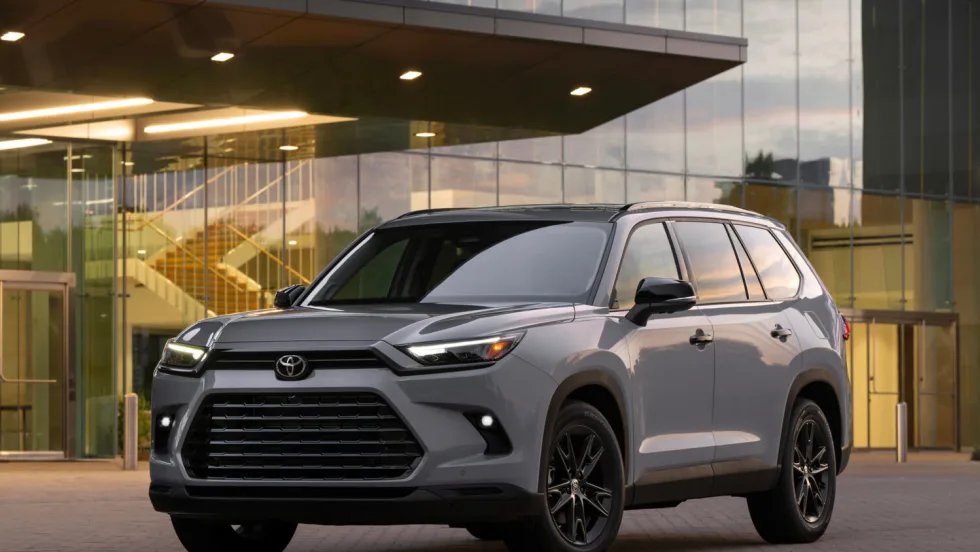
Savings Seekers Boost U.S. Automakers’ Rivals
As consumers here look for ways to curb inflation’s affect on their budgets, brands offering plenty of alternative powertrains are closing in on home-grown OEMs.
Read More →
The Slow Electric Ascent
Second-quarter data show that the electric-vehicle market in the U.S. is inching up, the majority of states seeing a month-over-month increase.
Read More →
Safer Rides & Cyberattacks
Vehicle crash testing is getting a virtual boost, but auto dealerships are facing increased cyberattacks. Learn more in this week's Dealer Debrief!
Read More →
Affordability Angst | Dealer Debrief
August saw little relief for car buyers, whether they were shopping new or used. Take a look at the month's breakdown in this week's Dealer Debrief!
Read More →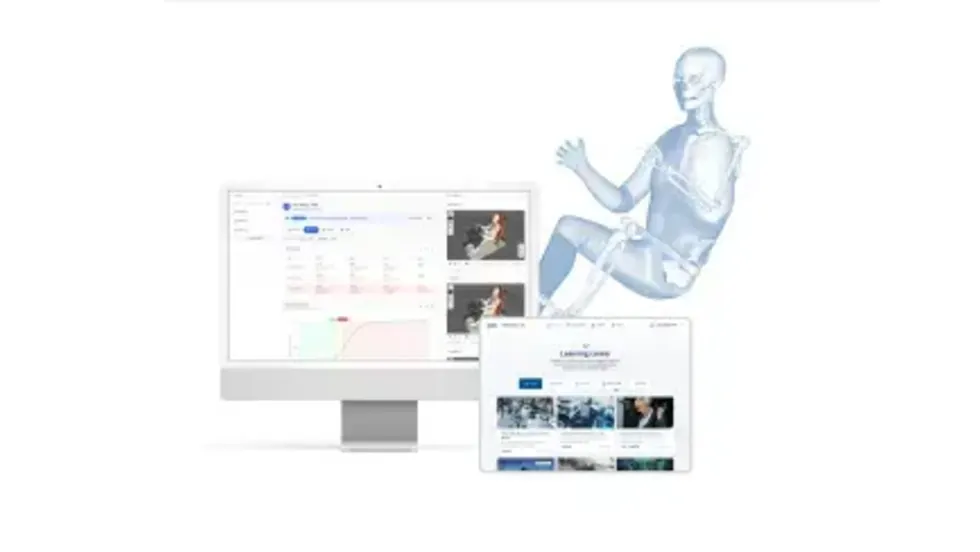
Virtual Crash Testing in the Works
A company's platform works alongside physical crash testing to gather insights into occupant response and injury mechanisms, with the idea of helping automakers develop safer vehicles.
Read More →
Tariff Tiff Examined
Some auto industry leaders are taking a relaxed view of the U.S.-Canada trade war while others worry that a dramatically adjusted playing field could mean too much collateral damage.
Read More →
EV Consideration Climbs
Despite the loss of federal EV incentives, interest has grown in the U.S., largely thanks to charging infrastructure improvements.
Read More →